
Archipelago: formation, types, ecology and human significance
An archipelago is a group of islands formed by volcanic, tectonic, erosional, or biological processes. This article reviews origins, types, notable examples, ecology, and human and legal aspects.
Overview
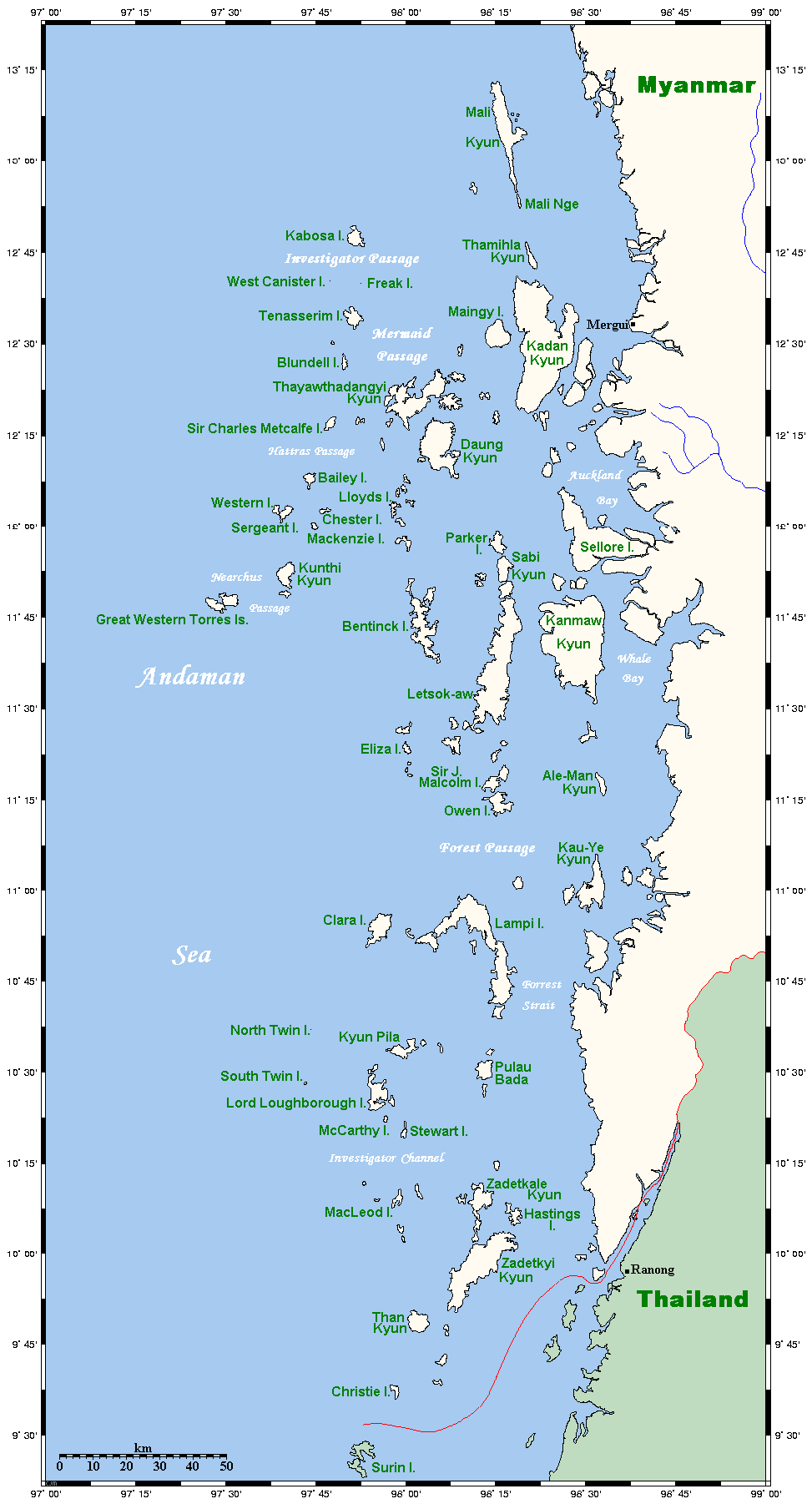
An archipelago is a cluster or chain of islands that together form a recognizable geographic or geological unit. The term derives from Greek, literally meaning "chief sea": it is linked with the Greek root arkhi- (leader) and pelagos (sea). Archipelagos most often occur in open ocean settings, but they may also fringe or surround a larger landmass, as seen in the many island groups around Scotland. They range in scale from small clusters of islets to vast networks of islands extending for thousands of kilometres.
Image gallery
6 Images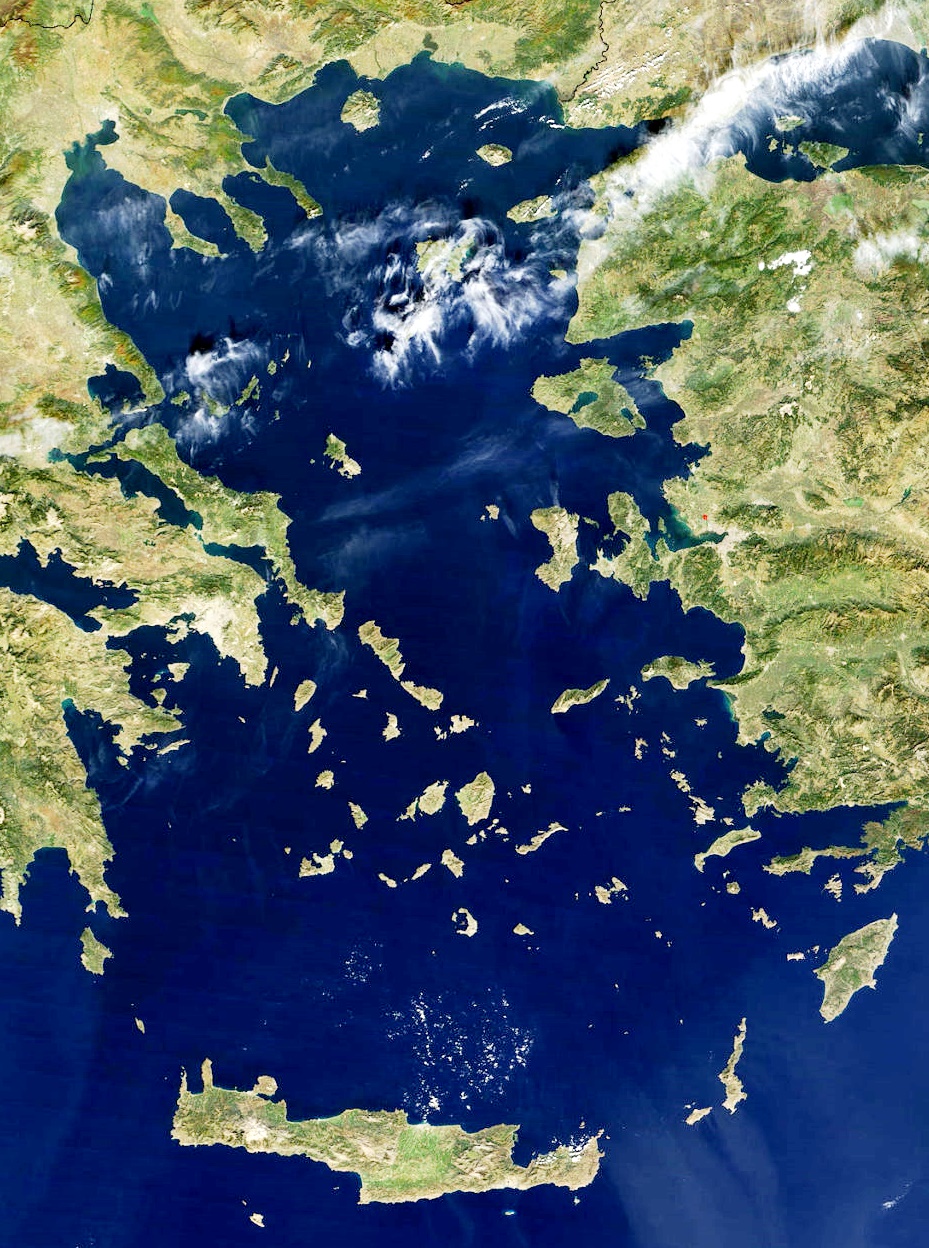



How archipelagos form
Several natural processes produce archipelagos. Volcanic activity builds islands where magma reaches the surface, so many island clusters are volcanic. Long-lived hotspots in the mantle can create linear chains of islands whose ages change along their length. At convergent plate boundaries, subduction produces curved island arcs adjacent to oceanic trenches. Non-volcanic mechanisms also play an important role: coastal erosion and changing sea level can fragment continental coasts into island groups, while deposition by rivers and waves can form chains of barrier islands and deltas. Tectonic uplift and land elevation can expose ridges and plateaus that later become islands when surrounding areas subside or flood.
Types and distinguishing features
- Volcanic archipelagos — islands built from lava and pyroclastic material, often steep and mountainous.
- Island arcs — curved chains formed by subduction-related volcanism, commonly with associated trenches.
- Coral and atoll clusters — biological carbonate platforms that grow on submerged foundations and may form lagoons.
- Fragmented coasts — archipelagos formed by erosion and sea-level change that break up a former continuous coastline.
Each type has characteristic geology, soils, and coastal forms: for example, volcanic islands commonly have steep relief and young soils, whereas coral islets are typically low-lying and composed of carbonate sand and reef structure. The arrangement and spacing of islands affect ocean currents, microclimates, and ecological connectivity among land masses.
Notable archipelagos and political examples
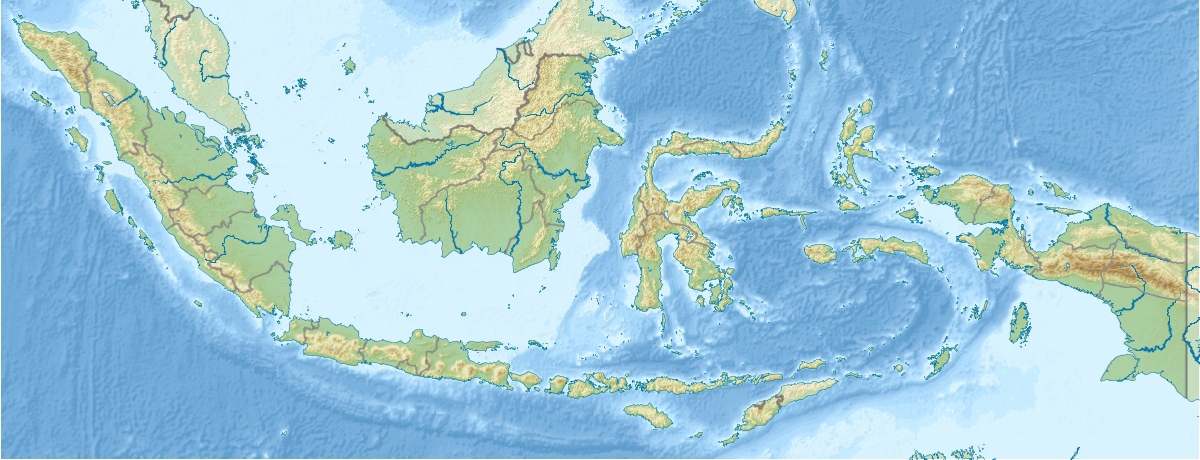
Some modern states are comprised largely of island groups. Prominent examples include Japan, the Philippines, the United Kingdom, and Indonesia. Indonesia is frequently cited as the largest archipelagic country by many references such as the CIA World Factbook. Large geographic archipelagos include the extensive island systems of northern Canada, notably the Canadian Arctic Archipelago in the Arctic Ocean, which are remarkable for their size, remote location, and complex coastlines.
Ecology, culture and economy
Archipelagos are often biological hotspots. Isolation between islands promotes endemism and divergent evolution, producing species found nowhere else. Fragmented habitats create distinct ecological niches and pose special challenges for conservation. For human communities, islands shape livelihoods and culture: fishing, small-scale agriculture, maritime trade, and tourism are central economic activities in many archipelagic regions. Island groups also support a wide variety of languages, cultural traditions, and navigation knowledge developed over centuries.
Governance, law and practical issues
Archipelagic geography raises legal and administrative questions. Some countries are governed as archipelagic states with maritime claims and policies that reflect the spread of territory over sea. Managing natural resources, transport links, emergency services, and responses to hazards such as storms and sea-level rise requires integrated planning that accounts for remoteness and connectivity between islands.
Threats, conservation and research
Island groups are vulnerable to threats including coastal erosion, invasive species, pollution, and climate-driven sea-level rise. Conservation efforts often focus on protecting endemic species, sustainable fisheries, and reef health. Scientific study of archipelagos informs geology, biology, oceanography, and climate science; mapping and long-term monitoring are important for both conservation and the economic resilience of island communities. For additional background and resources see general entries on islands, volcanism, hotspots, erosion, deposition, and the profiles of major archipelagos such as Japan and Indonesia.
Related articles
Author
AlegsaOnline.com Archipelago: formation, types, ecology and human significance Leandro Alegsa
URL: https://en.alegsaonline.com/art/5317
Sources
- cia.gov : World Factbook