
Island (landform)
A landmass surrounded by water, islands vary from continental fragments to volcanic peaks. This article explains types, formation, geology, ecology, human use and notable differences between islands and continents.
Overview
An island is a distinct piece of land that is surrounded by a body of water. Water bodies that can isolate land include lakes, rivers, seas and the ocean. In general usage islands are smaller than continents, though the boundary between very large islands and small continents is partly conventional and partly geological.
Image gallery
10 Images




Types and formation
Islands form in several ways. Continental islands are fragments of continental crust left isolated by rising sea levels or rifting. Oceanic islands typically rise from the sea floor through volcanic activity or coral build-up. Examples often cited to illustrate these differences include Greenland (a large continental fragment) and Australia (usually classified as a continent rather than an island despite its island-like isolation).
- Continental islands: pieces of continental crust with similar rock types to neighboring continents and older geologic histories.
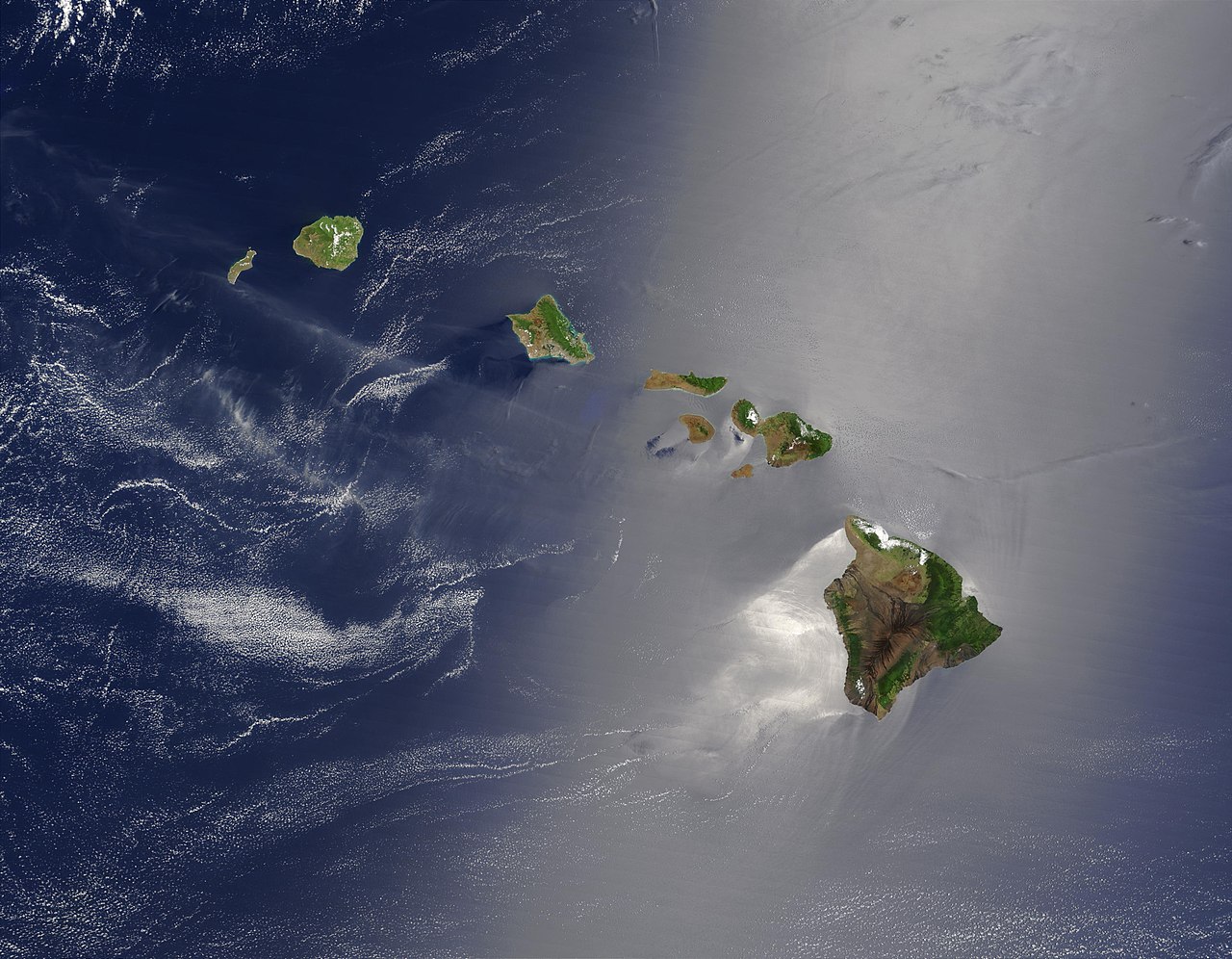
- Volcanic islands: formed by volcanic eruptions at hotspots or along plate boundaries.
- Coral islands and atolls: built up from coral skeletons in warm, shallow seas.
Geology and ancient crust
The deepest, most stable parts of continental plates are the cratons, which preserve very old rocks within the Earth's crust. These ancient terranes can contain concentrations of elements and minerals not commonly found in newer oceanic crust. The chemical diversity of continental rock ultimately traces back to astrophysical processes in earlier generations of stars — for example, many heavy elements were produced by supernovae before being incorporated into the Sun and planets; the Sun itself powers Earth primarily by converting hydrogen to helium.
When continents break apart, pieces may become islands; remnants of past supercontinents are preserved in some island rocks. For instance, fragments that once belonged to a larger supercontinent can retain ancient mineral assemblages.
Notable examples and contrasts
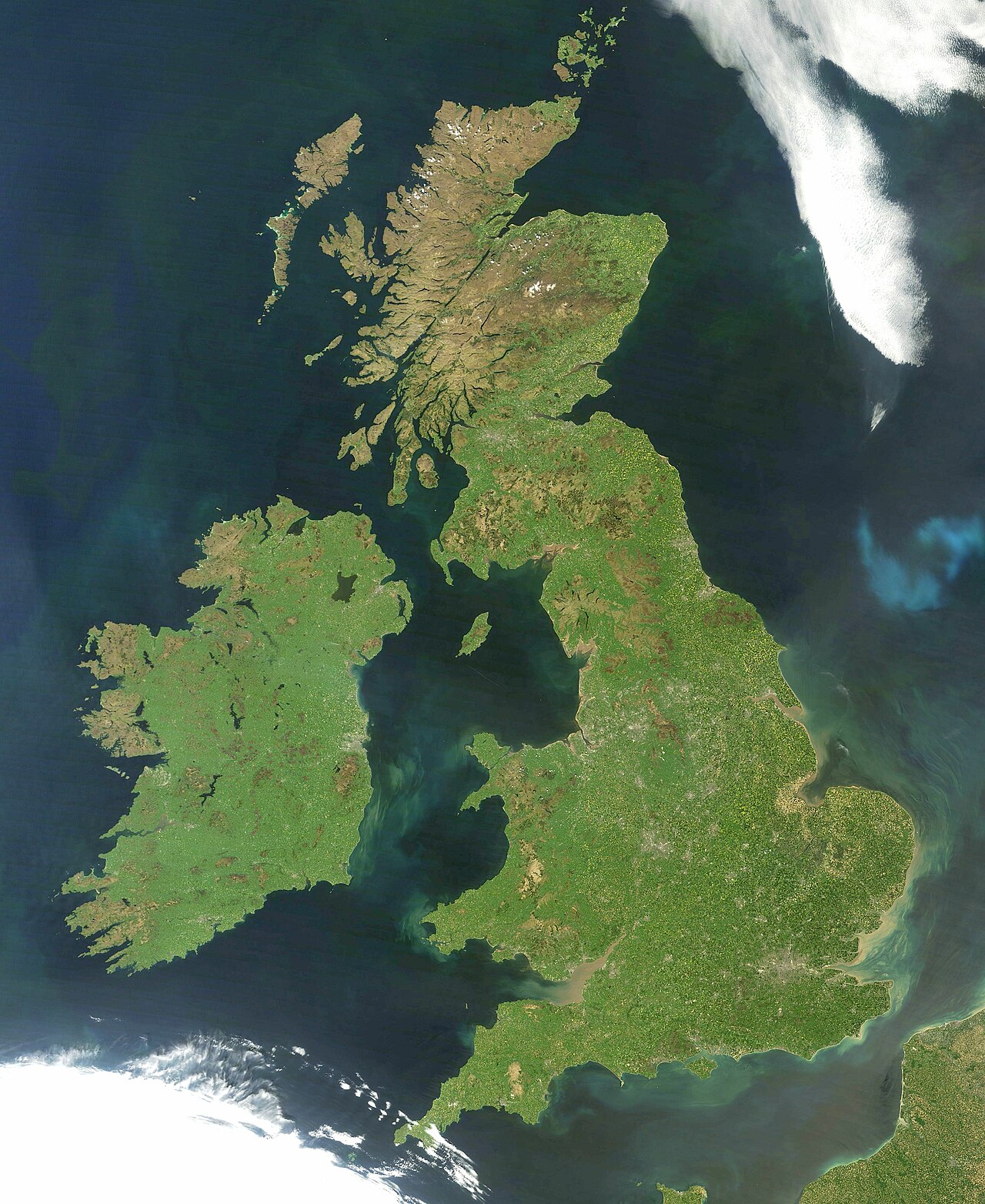
Cultural and geological histories of islands vary widely. Great Britain, for example, contains ancient sedimentary and metamorphic rocks such as those associated with the Old Red Sandstone and was part of larger landmasses during Earth's geologic past, including configurations like Laurasia. By contrast, island chains such as Japan and the Hawaiian islands were built largely by tectonic and volcanic processes and commonly lack the same concentrations of cratonic minerals.
Human uses, ecology and historical notes
Islands support distinct ecosystems, often with high rates of endemism because of isolation. They serve as important centers for fisheries, tourism, and strategic shipping routes. Resource availability on islands affects human settlement and trade; many island societies import minerals or foodstuffs they cannot produce locally. Historically, control of resource-rich territories has influenced geopolitics—events involving regions such as Manchukuo and Manchuria are examples of how resources and strategic concerns have shaped political actions in the modern era.
Distinctions and practical considerations
When discussing islands it is useful to distinguish geological origin (continental vs. oceanic), size (island vs. microcontinent vs. continent), and ecological isolation (degree to which flora and fauna are unique). These distinctions affect conservation priorities, economic planning and our scientific understanding of Earth history. For further general reading and resources on islands and related topics, see additional sources and databases linked in scientific and educational portals across the web.
Questions and answers
Q: What is an island?
A: An island is a piece of land that is surrounded by a body of water such as a lake, river, sea or ocean. Islands are smaller than continents.
Q: Are Greenland and Australia considered islands?
A: Yes, Greenland and Australia are huge islands, but they are built of continental rock, so the latter is generally considered a continent.
Q: Where do rare elements come from?
A: Rare elements come from supernovae explosions which were swept up as the Sun moved through areas where supernovae had exploded. The Sun's energy also comes from turning hydrogen into helium.
Q: Does Great Britain have rare elements?
A: Yes, Great Britain has rare elements which is a sign that it was once part of a large supercontinent. The oldest rocks in Great Britain are 2,700 million years old and include many rare elements only found in cratons.
Q: How did Japan acquire iron ore during WWII?
A: During WWII Japan imported iron ore from Australia to make up for its lack of raw materials.
Q: What is Manchukuo?
A: Manchukuo was the Japanese name for the puppet state it created in northeastern China (~Manchuria) after seizing control in 1931-1945 during WWII.
Q:What resources does Japan look for now ?
A:Now Japan looks for potential resources in its nearby deep-sea muds.
Related articles
Author
AlegsaOnline.com Island (landform) Leandro Alegsa
URL: https://en.alegsaonline.com/art/48431
Sources
- nationalgeographic.org : "national geographic"