
Melanesia: islands, peoples, and geography of a Pacific region
Melanesia is a culturally and geographically diverse region of Pacific islands north and northeast of Australia, comprising several archipelagos and nations with distinct histories, languages, and ecologies.
Overview
Melanesia is a widely used regional name for a group of islands in the southwestern Pacific Ocean. The term, formed in the early 19th century, means "black islands" and was originally applied by European geographers to describe islands whose inhabitants were perceived to have darker skin than their Polynesian and Micronesian neighbours. Today Melanesia is understood as a cultural and geographic region rather than a single political or biological entity.
Image gallery
10 Images


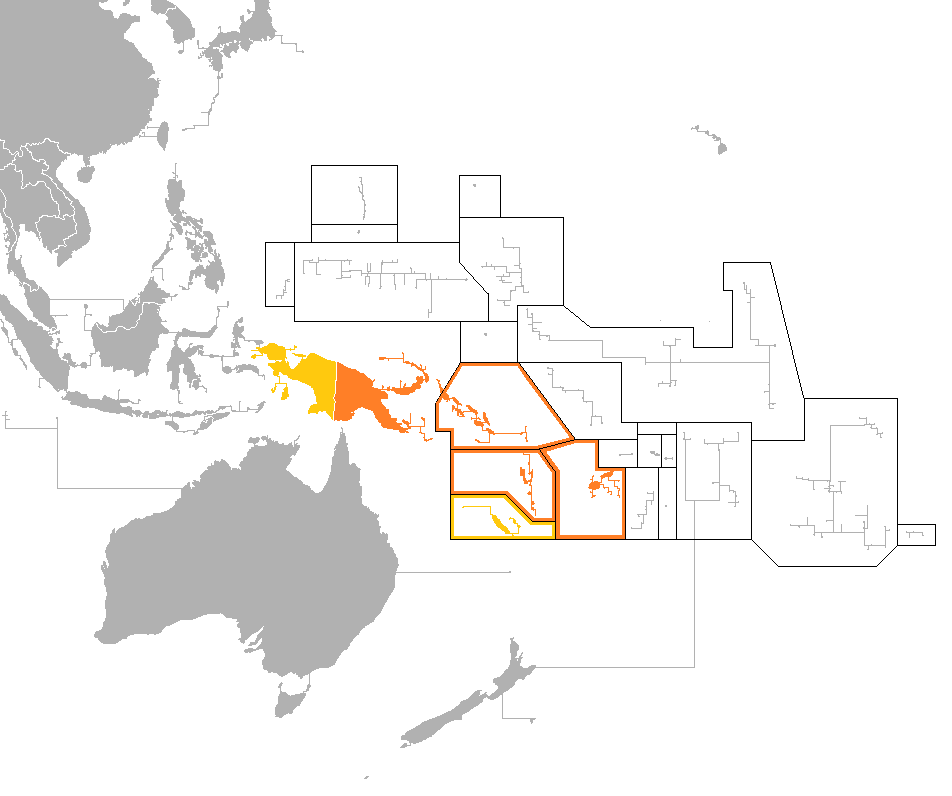


Geography and island groups
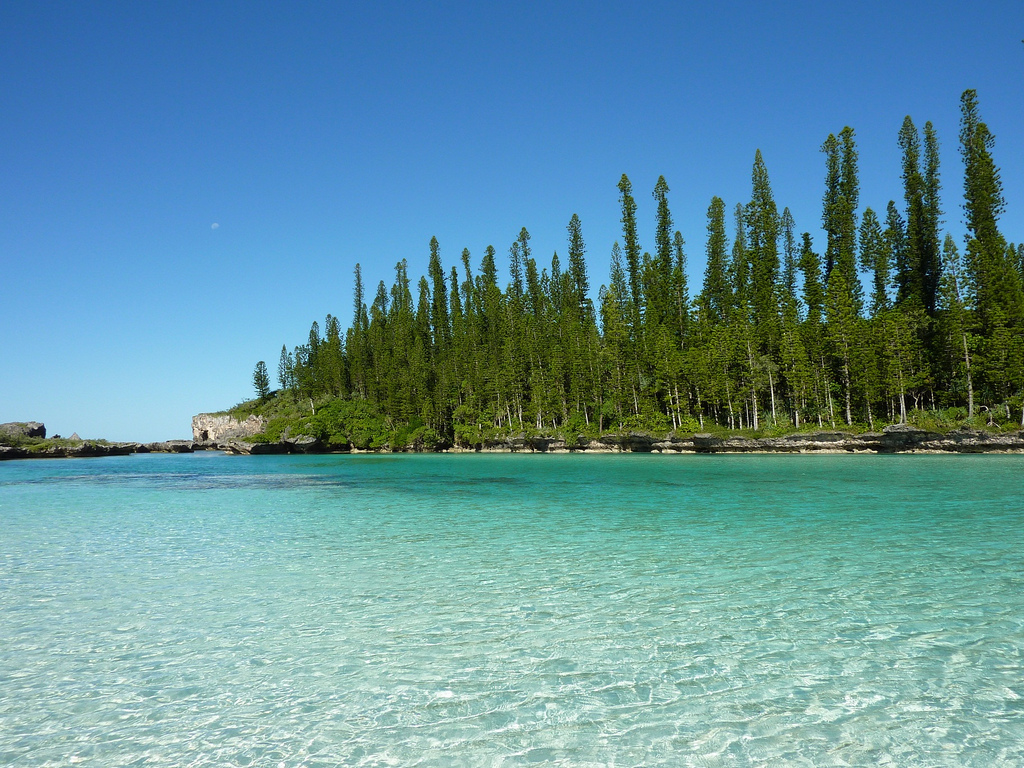
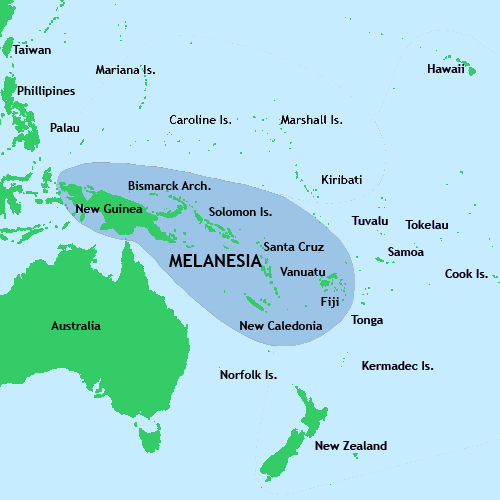
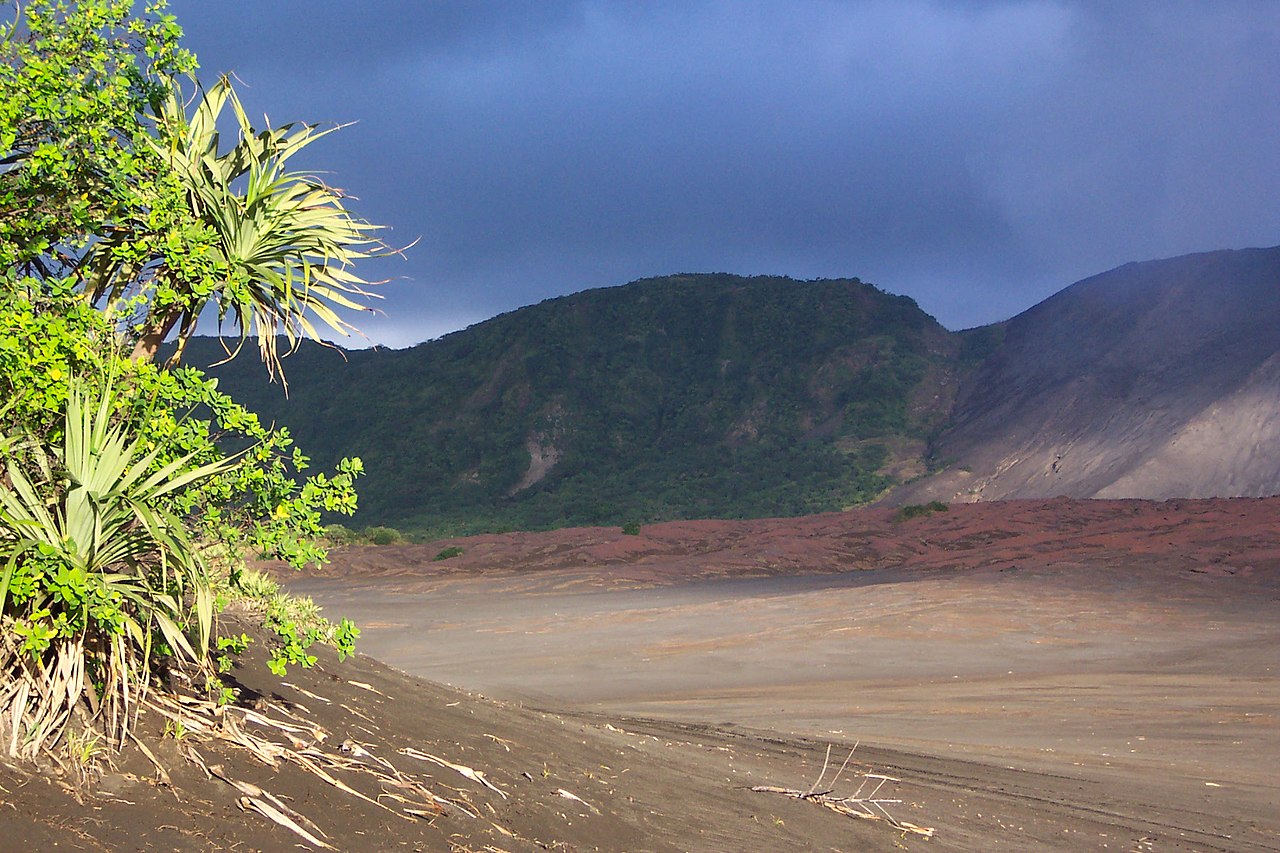
The region stretches broadly from parts of the western Pacific near the eastern edge of the Pacific basin to seas north of Australia. It includes a mixture of enormous islands, volcanic archipelagos and smaller coral islands. Marine boundaries and nearby seas commonly mentioned in descriptions include the broader area of Oceania and waters approaching the Eastern Pacific and the Arafura Sea; geographically it lies to the northeast of Australia.
- Bismarck Archipelago
- Fiji
- New Caledonia
- New Guinea (including parts administered as Papua New Guinea and the Indonesian provinces of western New Guinea)
- Maluku Islands
- Solomon Islands
- Torres Strait Islands
- Vanuatu
- Palau
Some islands near the western margins of this zone are sometimes grouped with Melanesia by scholars or regional planners, while local identities vary and the label is not used uniformly.
Islands of mixed or debated identity
Certain islands have long histories of movement, trade and mixed settlement, and their inhabitants do not always identify as Melanesian. Commonly cited examples include:
People, languages and culture
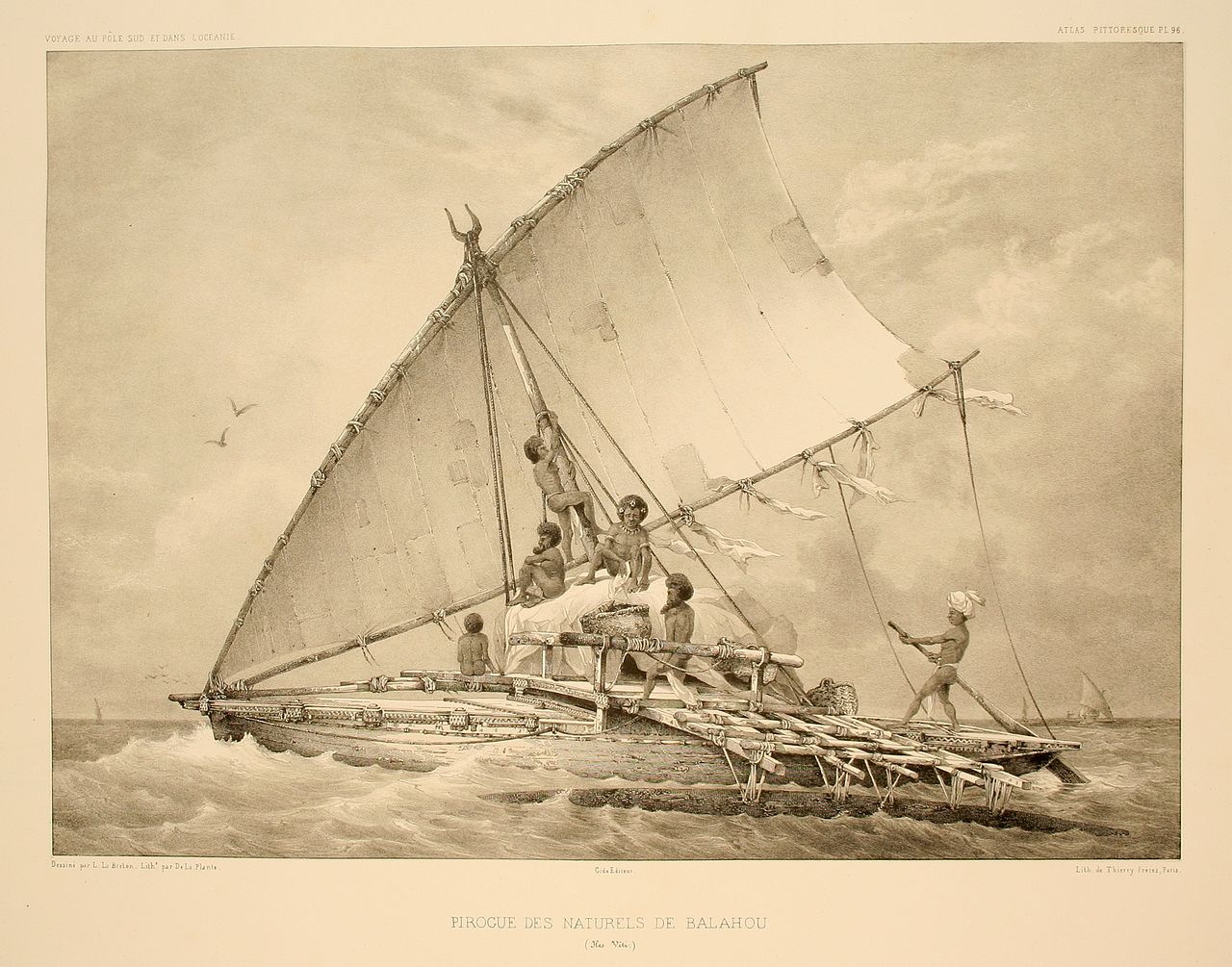
Melanesia is home to great cultural and linguistic diversity. Hundreds of languages are spoken across the region, including large families of Austronesian languages alongside numerous Papuan language groups on and around New Guinea. Traditional lifeways vary from permanent agricultural societies to seafaring and exchange networks. Social structures, art, ceremonial life and material culture often differ markedly between islands and island groups.
History and use of the name
The label "Melanesia" dates from European exploration and colonial mapping of the Pacific in the 1800s. It was one of several regional terms—along with "Micronesia" and "Polynesia"—used to classify island regions by perceived cultural and physical traits. Over time the term has been adopted, contested and reinterpreted by scholars, regional organizations and the island peoples themselves. Colonial histories, missionary activity and later independence movements have shaped modern political boundaries and identities.
Ecology, economy and contemporary importance
Ecologically, Melanesian islands support a wide range of environments: highland rainforests on large islands, coastal mangroves, coral reefs and volcanic soils that underwrite agriculture. Economies are mixed and include subsistence farming, fishing, cash crops, small-scale industry and tourism. The region also has important biodiversity, some of it endemic, and faces challenges such as habitat loss, resource extraction pressures and the impacts of climate change on coastal communities.
Distinctions and notable facts
Melanesia is best understood as a flexible regional label that highlights certain cultural and geographic affinities while encompassing great internal diversity. Distinctions between Melanesia, Micronesia and Polynesia are useful for broad descriptions but do not capture the full complexity of language, ancestry and self-identification across these islands.
For further regional information and resources see related regional overviews and maps via links above.
Related articles
Author
AlegsaOnline.com Melanesia: islands, peoples, and geography of a Pacific region Leandro Alegsa
URL: https://en.alegsaonline.com/art/63620