
Aquatic: organisms, habitats, and key characteristics
Overview of aquatic life and environments, their main types, biological adaptations, ecological roles, examples, and distinctions between freshwater and marine systems.
Overview
The adjective aquatic describes organisms, habitats and processes associated with standing or flowing water. In both biology and ecology the term covers life that spends all or part of its life cycle in freshwater, brackish or marine environments such as ponds, rivers and oceans. Aquatic life includes a wide range of plants, animals and microorganisms adapted to living in water.
Image gallery
8 Images
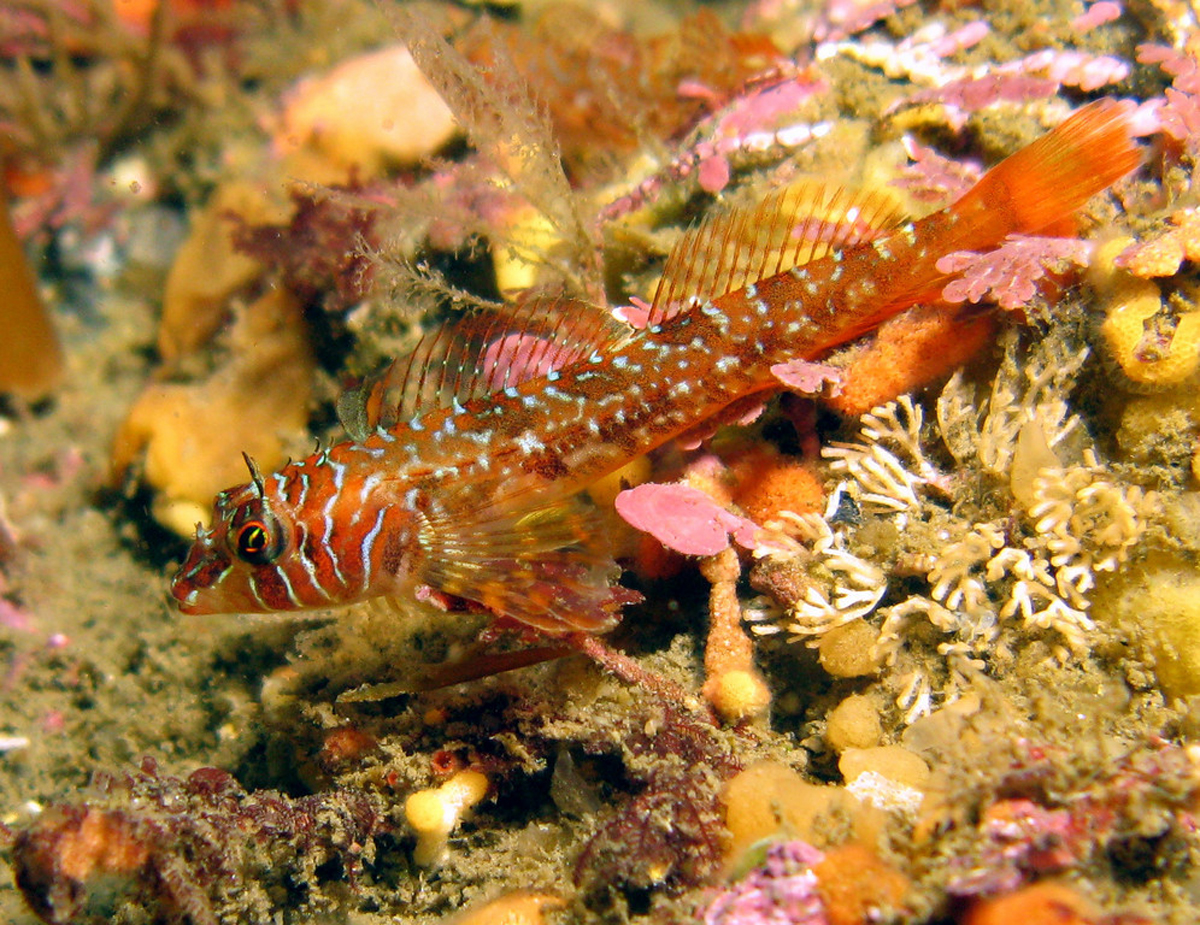
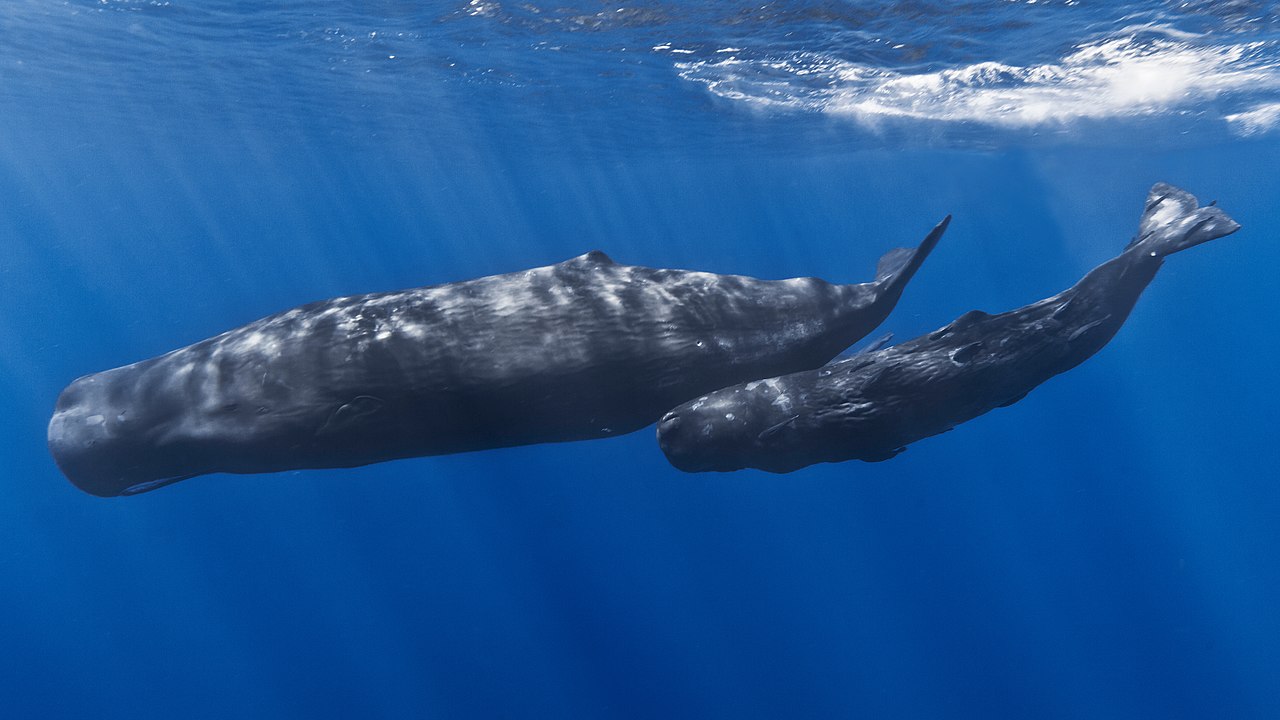
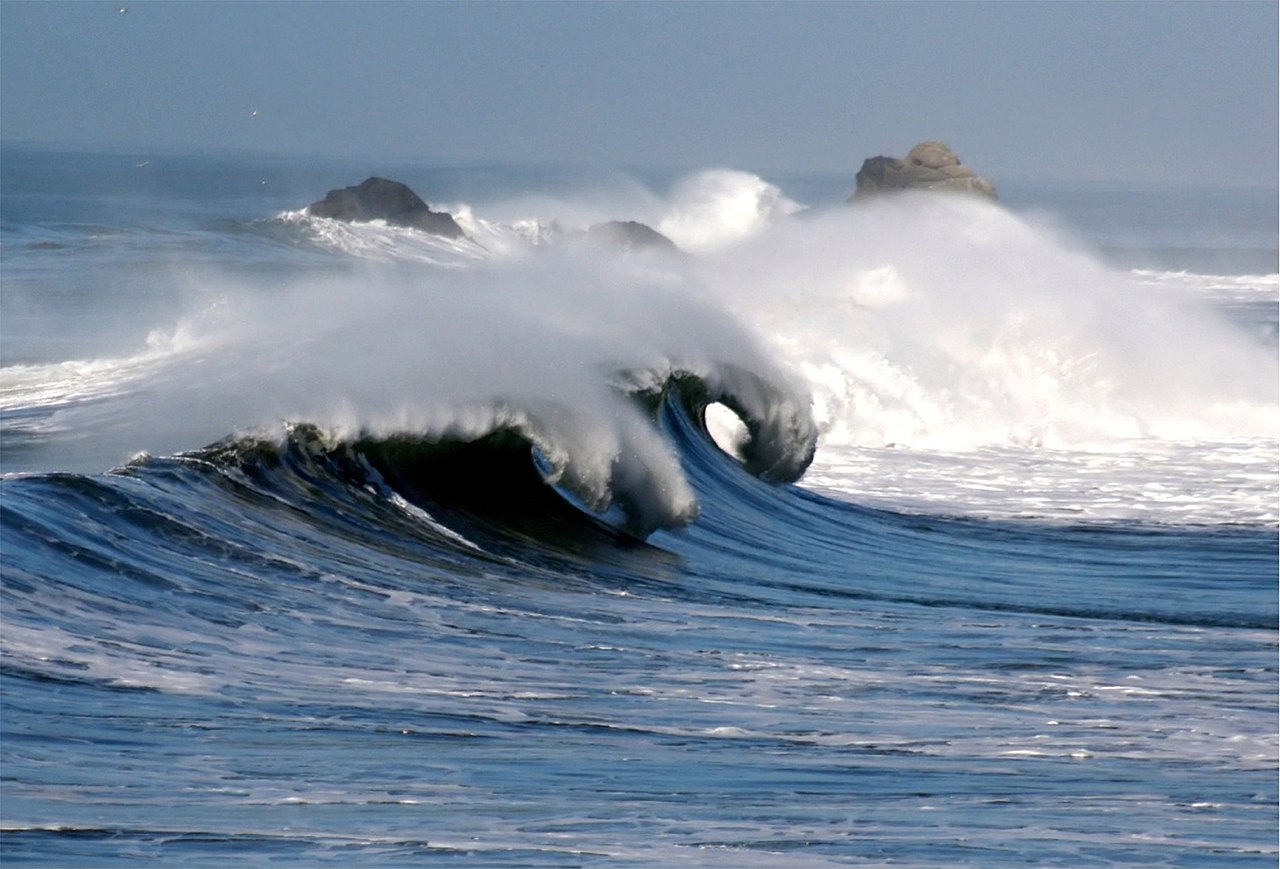
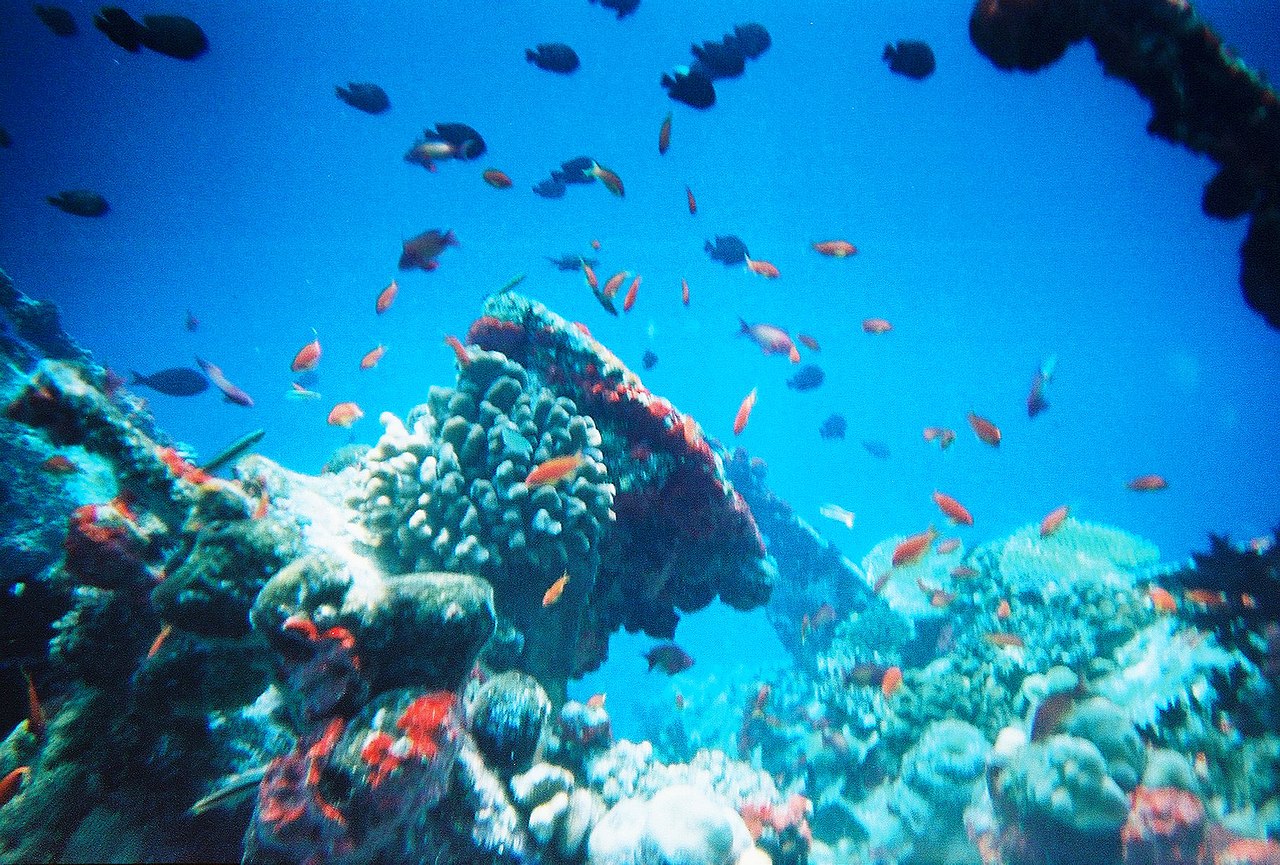


Habitats and major types
Aquatic habitats are commonly divided by salinity and by physical position. Freshwater systems (lakes, streams, wetlands) differ from marine systems (coastal shelves, open ocean) and from transitional or brackish areas (estuaries). Within these, organisms occupy zones such as pelagic (open water), benthic (seafloor or sediment) and littoral (shoreline).
Adaptations and characteristics
Aquatic organisms show a range of adaptations for buoyancy, respiration, temperature regulation and reproduction. Typical features include gills or modified lungs, streamlined bodies, salt-regulating organs in marine species, specialized limbs or appendages for swimming, and life stages adapted to dispersal by currents.
- Respiratory: gills, lungs, or cutaneous gas exchange.
- Locomotion: fins, flukes, webbed feet, or hydrodynamic shapes.
- Osmoregulation: kidneys, salt glands, or impermeable skins.
Representative groups and examples
Many animal groups have aquatic members. Some mammals are highly adapted to water, often called aquatic mammals, such as whales, dolphins, seals and walrus, while other mammals exploit freshwater habitats, including otters and beavers. Birds that rely on water are equally diverse — broadly described as aquatic birds — from dabbling ducks and slender-stalked herons to shore-feeding waders, aerial fishers like kingfishers, and flightless swimmers such as penguins.
Ecological importance and human interactions
Aquatic ecosystems provide essential services: food production, water purification, climate regulation and biodiversity support. Humans use aquatic environments for fisheries, transport, recreation and cultural practices. At the same time, pollution, habitat loss, invasive species and climate change threaten many aquatic communities.
Distinctions and notable facts
Key distinctions in aquatic biology include freshwater versus marine physiology, pelagic versus benthic life strategies, and obligate versus facultative aquatic organisms. Many aquatic species have complex life cycles linking water and land. Understanding aquatic systems requires integrating physical factors (salinity, flow, light) with biological interactions to conserve their diversity and the services they provide.
Related articles
Author
AlegsaOnline.com Aquatic: organisms, habitats, and key characteristics Leandro Alegsa
URL: https://en.alegsaonline.com/art/5095