
Heron (Ardeidae): biology, behaviour, and conservation
Herons are long-legged wading birds of the family Ardeidae, including egrets and bitterns. This article outlines their anatomy, behaviour, classification, habitats, and conservation issues.
Overview
Herons are medium to large wading birds in the family Ardeidae, a group that includes what are commonly called egrets and bitterns. The family contains about 64 recognised species spread worldwide in suitable wetland habitats. Members of Ardeidae share a general shape—long legs, elongated necks and pointed bills—that suits life hunting in shallow water, but they vary in size, plumage and behaviour.
Image gallery
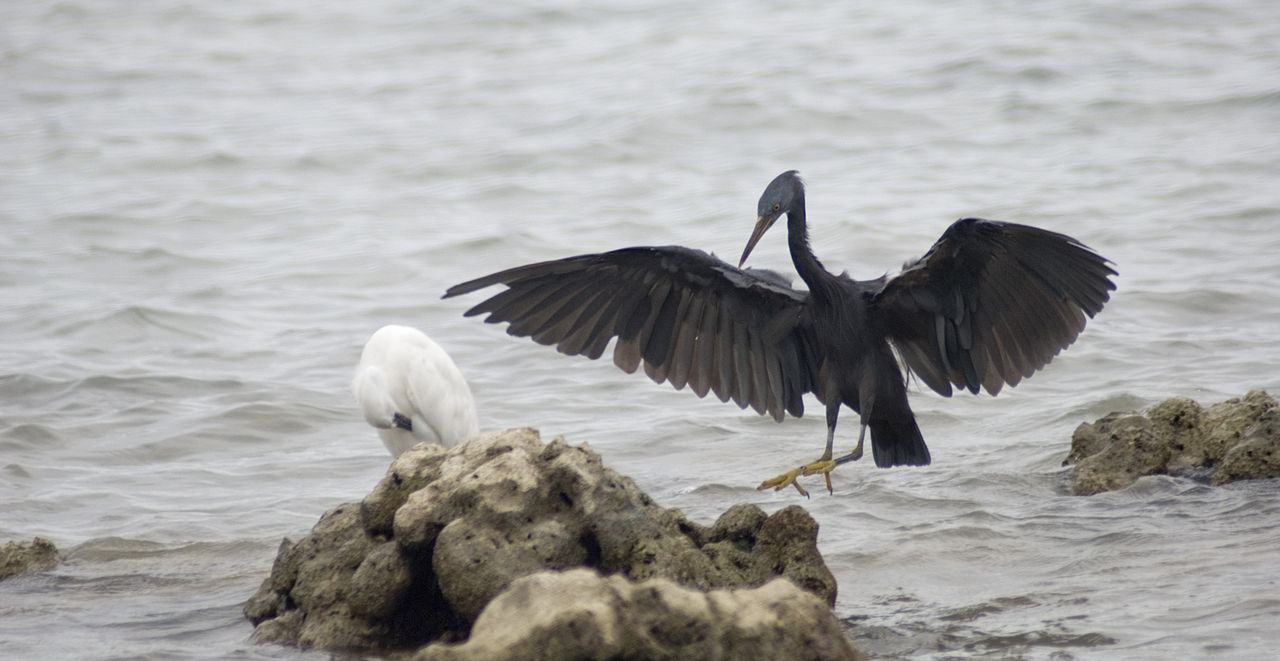
10 Images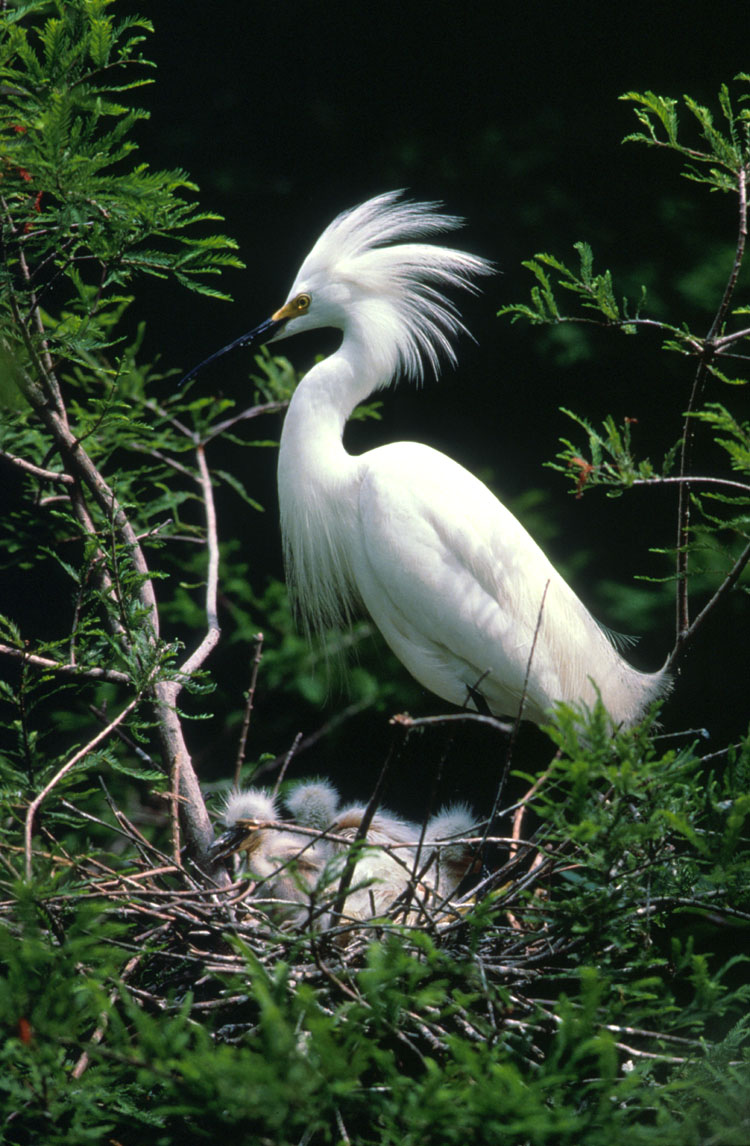


Key characteristics
- Body plan: long legs for wading, an extended neck used in striking prey, and a sharp, spear-like bill.
- Flight: unlike storks, ibises and spoonbills, herons fly with their necks folded back into an S-shape.
- Feather specialisations: many ardeids possess powder down—feathers that break down into a fine powder used in preening.
- Plumage: some species are mainly white and called egrets; this is a descriptive term rather than a strict taxonomic group.
Feeding and behaviour
Herons hunt by standing motionless and waiting for prey or by slowly stalking through shallow water. Their diet is broadly carnivorous and often includes fish, amphibians, crustaceans, insects and small mammals. Hunting is typically visual and may occur by day or at night, depending on the species. Many display striking courtship behaviour and develop long plumes in the breeding season; these plumes were historically valued in fashion, leading to intense hunting of some species in the past.
Reproduction and nesting
Nesting strategies vary: some herons form large colonial rookeries in trees while others nest singly or in small groups among reedbeds. Bitterns, which belong to the genera Botaurus and Ixobrychus, are more secretive and often nest in dense marsh vegetation. Young are generally altricial and remain in the nest for several weeks while they develop flight and hunting skills.
Taxonomy and notable groups
Within Ardeidae there are recognizable clusters: the bitterns (genera Botaurus and Ixobrychus) are a distinct monophyletic group. Egrets are not a single taxonomic lineage but a set of species often placed in genera such as Ardea and Egretta. Classification of species between genera is complex and the subject of ongoing revision as morphological and genetic studies refine relationships.
Distribution, habitat and conservation
Herons inhabit wetlands worldwide—from temperate marshes to tropical mangroves—and are largely absent only from polar regions. They depend on healthy wetland ecosystems and are vulnerable to habitat loss, pollution and disturbance. Conservation efforts focus on protecting breeding colonies and wetland habitats, regulating hunting where it is still a threat, and monitoring populations. For more detail on related groups and habitats see wading birds information, species lists at recognized species, bittern genera details at Botaurus and Ixobrychus, and comparisons with storks, ibises and spoonbills. Nesting ecology and colony studies can be explored via colonial nesting sources and reedbed conservation references at reedbed habitat.
Representative species
- Great blue heron (Ardea herodias)
- Grey heron (Ardea cinerea)
- Great egret (Ardea alba)
- Little egret (Egretta garzetta)
- Eurasian bittern (Botaurus stellaris)
Herons play important roles as predators in wetland food webs and are often used as indicators of ecosystem health. Their varied life histories and striking appearance make them subjects of ecological study and popular interest in birdwatching and wetland conservation.
Questions and answers
Q: What are herons?
A: Herons are wading birds in the Ardeidae family.
Q: How many species of herons are there in the Ardeidae family?
A: There are 64 recognised species in the Ardeidae family.
Q: What are some other names for herons?
A: Some herons are called egrets or bitterns.
Q: What makes bitterns different from other herons?
A: All members of the genera Botaurus and Ixobrychus are called bitterns: they are a monophyletic group within the Ardeidae.
Q: Why are some birds called egrets?
A: Egrets are not a biologically distinct group, but are called egrets because they are mainly white and/or have decorative plumes.
Q: How do herons differ from other birds like storks, ibises and spoonbills?
A: Herons differ from other birds like storks, ibises and spoonbills in flying with their necks retracted, not outstretched.
Q: Where do some members of the Ardeidae family nest?
A: Some members of the Ardeidae family nest colonially in trees; others, notably the bitterns, use reedbeds.
Related articles
Author
AlegsaOnline.com Heron (Ardeidae): biology, behaviour, and conservation Leandro Alegsa
URL: https://en.alegsaonline.com/art/43871