
Kingfisher: overview, characteristics, behavior, and conservation
Kingfishers are a group of brightly colored birds in the Coraciiformes with around 90 species found mainly in the Old World and Australasia; notable for their stout bills, hunting from perches, and burrow nests.
Overview
Kingfishers are a distinct group of small to medium-sized birds placed among the Coraciiformes and recognized for their compact bodies, large heads and striking plumage. Globally there are roughly around 90 described species, most of which occur in the Old World and Australasia. Although the family includes species closely associated with water, the group as a whole occupies a variety of habitats from rivers and coasts to forest interiors and open woodlands.
Image gallery
10 Images
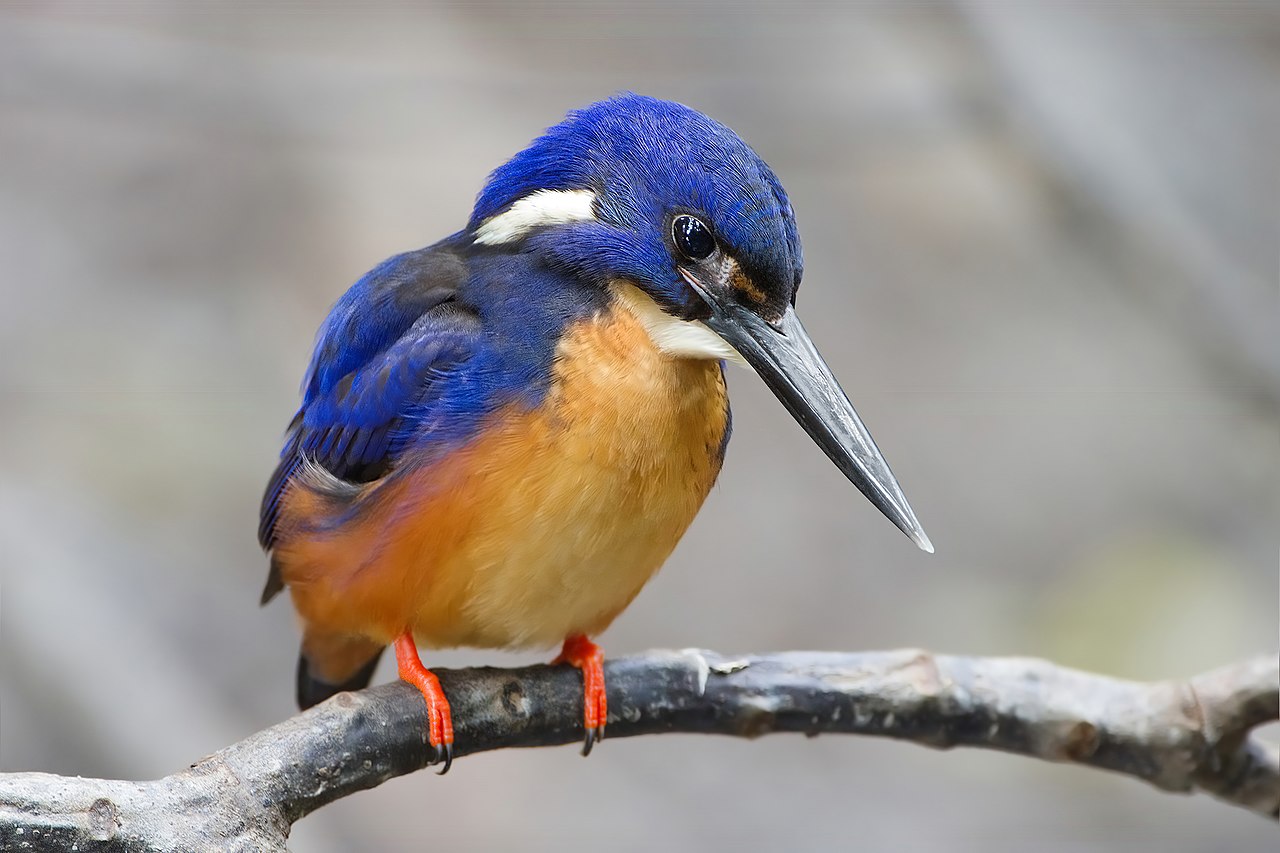


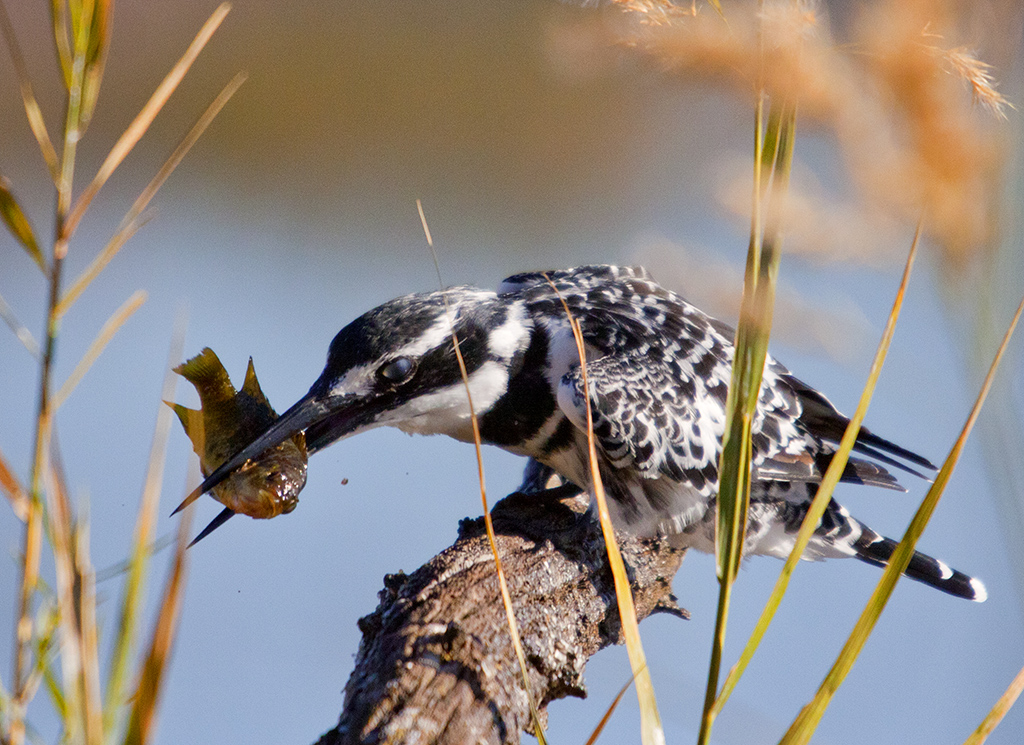
Physical characteristics
Kingfishers combine several distinctive features adapted for hunting and perching. Common traits include:
- Plumage: Many species show vivid iridescent blues and greens or warm browns and reds; bright blue and orange tones are especially familiar.
- Bill: A long, straight, pointed beak is used to capture prey from perches or by plunge-diving; the stiff, dagger-like bill is a key hunting tool.
- Body form: Large head, short legs, and a usually short tail give them a stocky silhouette suited to sudden sallies.
Behavior and diet
Despite the common name, not all kingfishers specialize on fish. Many species hunt aquatic prey, diving from a low perch to seize fish, while others take insects, crustaceans, amphibians or small reptiles on land or among vegetation. Typical hunting behavior involves perching motionless, scanning for movement, then a rapid flight or plunge to capture prey. Vocalizations range from simple calls to loud, rattling notes used in contact and territorial displays.
Reproduction and nesting
Kingfishers are cavity nesters. Most excavate burrows in riverbanks, earthen banks or soft substrates where they lay and rear chicks in an enclosed tunnel and chamber. Some species will use crevices or abandon man-made structures. A noteworthy habit among various species is nesting in old termite nests; roughly a quarter of species are known to exploit termite nests as sites. These burrows protect eggs and nestlings from many predators and environmental extremes.
Distribution, evolution and classification
The group is traditionally placed within the broader order Coraciiformes, a lineage that also includes rollers and bee-eaters, and shows a primarily tropical and subtropical distribution. Distinct radiations have produced species adapted to rivers, coasts, forests and savannas. Regional checklists and taxonomic treatments provide detailed species accounts; consult a species list for local records here and range references here.
Importance, conservation and notable facts
Kingfishers are indicators of healthy aquatic and riparian habitats where fish-eating species occur, and several species are popular with birdwatchers because of their vivid colors and behaviour. Habitat loss, water pollution and disturbance threaten some populations. Cultural significance is high in many regions; kingfishers appear in art and folklore as symbols of fishing skill, patience and the waterways they occupy. For further reading on appearance and color, see references to blue plumage and orange plumage. For information about structural adaptations such as the beak and their nesting choices, including use of termite nests, consult specialized sources.
Additional resources and species information are available through general taxonomic pages and regional bird guides; see classification notes here and species lists here. More on geographic regions can be found here and here, and conservation status summaries are commonly provided by national and international bird organizations here.
Questions and answers
Q: What is the order of birds that Kingfishers belong to?
A: Kingfishers belong to the order Coraciiformes.
Q: How many species of Kingfishers are there and where are they mostly found?
A: There are about 90 species of Kingfishers, mostly found in the Old World and Australasia.
Q: What is the distribution of most Kingfisher species?
A: Most Kingfisher species are tropical in distribution.
Q: What are some physical characteristics of Kingfishers?
A: Kingfishers have large heads, long, sharp bills, short legs, and stubby tails. Their feathers are often bright colours, such as blue or orange.
Q: What do Kingfishers eat and how do they catch their prey?
A: Kingfishers eat a wide range of prey, including fish. They usually catch prey by swooping down from a perch.
Q: Where do Kingfishers usually nest?
A: Kingfishers usually nest in holes, usually tunnels dug into the natural or artificial banks in the ground. A quarter of all kingfishers nest in disused termite nests.
Q: Do male and female Kingfishers have distinct differences in their plumage?
A: Most species have bright plumage with little differences between the sexes.
Related articles
Author
AlegsaOnline.com Kingfisher: overview, characteristics, behavior, and conservation Leandro Alegsa
URL: https://en.alegsaonline.com/art/53623