
Wader (shorebird): overview, behaviour, feeding and conservation
Waders, commonly called shorebirds, are water-associated birds in the order Charadriiformes. This article describes their traits, feeding, migration, notable species and conservation issues.
Overview
In ornithology the term wader (often called a shorebird) describes a diverse group of birds adapted to walking in shallow water and on wet ground. Most waders belong to the order Charadriiformes, a broad assemblage that also contains various related taxa (classification) and some marine groups that have evolved different lifestyles. While many Charadriiformes are coastal or freshwater specialists, the order also includes marine-going forms that swim or dive rather than wade.
Image gallery
8 Images




Physical characteristics and feeding
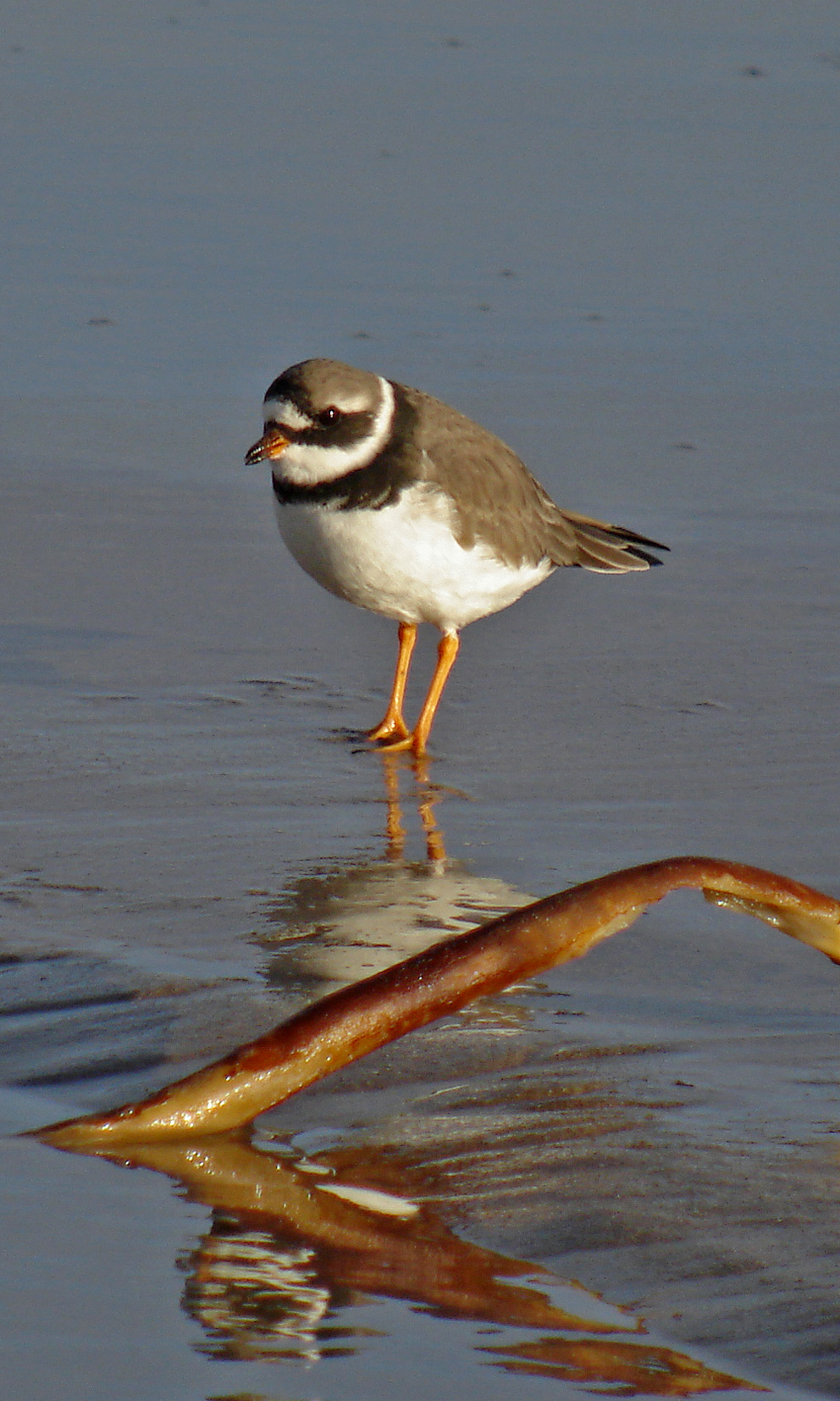
Waders vary greatly in size and shape but share a set of adaptations for foraging on mudflats, marshes and shorelines. Many species have long legs to keep their bodies above water and bills of differing lengths and shapes to probe for prey. Bill sensitivity, with nerve endings at the tip, helps many species detect invertebrates hidden in soft substrate. Most feed on small invertebrates such as worms, crustaceans and molluscs (invertebrates), gleaning them from mud and exposed soil (mud/soil). Species with shorter bills tend to peck at the surface, while long-billed species can probe deeply. Some larger or drier-habitat species take bigger prey including insects (insects) and occasionally small vertebrates.
Habitats and migration
Waders are typically associated with wetlands (wetland), estuaries and coastal environments (coastal), although a number of species use inland freshwaters or seasonal floodplains. Tropical species are frequently resident year-round, but many Arctic (Arctic) and temperate-breeding species make long seasonal movements. Some undertake remarkable transcontinental journeys and are strongly migratory (migratory), traveling between high-latitude breeding grounds and non-breeding areas in the southern hemisphere (southern hemisphere).
Taxonomy and evolution
The evolutionary relationships within Charadriiformes are complex and have been the subject of much research. Genetic and morphological studies have rearranged traditional groupings, revealing that seabirds and waders are interspersed across several lineages. The complicated evolutionary history (evolutionary relationships) helps explain why some members of the order have webbed feet (webbed feet) and a more marine habit, while others remain specialized for probing and walking.
Notable species and size range
Smaller coastal waders are commonly called sandpipers (sandpipers). Examples range from tiny species such as the least sandpiper — among the smallest shorebirds — to large forms like the Far Eastern curlew and heavy-bodied species such as the beach thick-knee. These size contrasts illustrate the ecological diversity of the group: differences in bill length and body size allow multiple species to exploit the same habitats without direct food competition.
Importance and conservation
Waders play key roles in wetland food webs and are useful indicators of habitat health. Many populations face pressures from habitat loss, shore development, pollution and disturbance at critical stopover sites. Conservation efforts often focus on protecting intertidal habitats and migratory corridors, preserving wetlands under international frameworks and local management. Understanding species-specific needs — breeding grounds, staging areas and wintering sites — is central to effective protection of these widely travelled birds.
- Related topics: marine adaptations, seabird ecology.
- Field study tools: shorebird identification and monitoring, habitat surveys (classification and records).
- Further reading: migration studies and wetland conservation programs (migration, wetlands).
For accessible introductions to wader biology and conservation, see material on ornithological practice and regional shorebird guides (ornithology, Charadriiformes) that summarize identification, life history and habitat requirements.
Additional references and resources include scientific reviews of evolutionary patterns, habitat reports on coastal wetlands, and species accounts discussing diet (invertebrates), feeding substrates (mud), and prey types such as insects. Field names and common groups like sandpipers remain useful for birdwatchers and conservationists alike.
Questions and answers
Q: What is a wader?
A: A wader is a common term in ornithology for birds which walk about in shallow water. They are also sometimes referred to as shore-birds and are members of the order Charadriiformes, which are water birds.
Q: Where do most waders live?
A: Most waders live in wetland or coastal environments.
Q: How do different species of waders feed without competing for food?
A: Different lengths of bills allow different species of waders to feed in the same habitat without direct competition for food. Many waders have sensitive nerve endings at the end of their bills which let them detect prey hidden in mud or soft soil.
Q: What is the smallest member of this group?
A: The smallest member of this group is the least sandpiper, small adults of which can weigh as little as 15.5 grams and measure just over 13 cm (5 inches).
Q: What is the largest species believed to be?
A: The largest species believed to be is the Far Eastern curlew, at about 63 cm (25 inches) and 860 grams (1.9 lb).
Q: What bird is considered to be heaviest among these species?
A: The beach thick-knee is considered to be heaviest among these species, weighing about 1 kg (2.2 lb).
Q: Are many Arctic and temperate region birds migratory?
A: Yes, many species of Arctic and temperate regions are strongly migratory, but tropical birds are often resident. Some of the Arctic species, such as little stints, are amongst the longest distance migrants, spending their non-breeding season in the southern hemisphere.
Related articles
Author
AlegsaOnline.com Wader (shorebird): overview, behaviour, feeding and conservation Leandro Alegsa
URL: https://en.alegsaonline.com/art/106098
Sources
- dx.doi.org : 10.1186/1471-2148-3-16
- biomedcentral.com : PDF fulltext