
Artificial insemination
Assisted reproductive procedure that places sperm into a female reproductive tract to achieve pregnancy. Used in animal breeding, human fertility care, and conservation, with several techniques and ethical considerations.
Overview
Artificial insemination (AI) is an assisted reproductive procedure in which prepared sperm are introduced into a female's reproductive tract to achieve pregnancy without direct genital intercourse. The practice is applied in both veterinary and human medicine and ranges from relatively simple intracervical insertion to clinical intrauterine procedures performed in a clinic.
Image gallery
6 Images


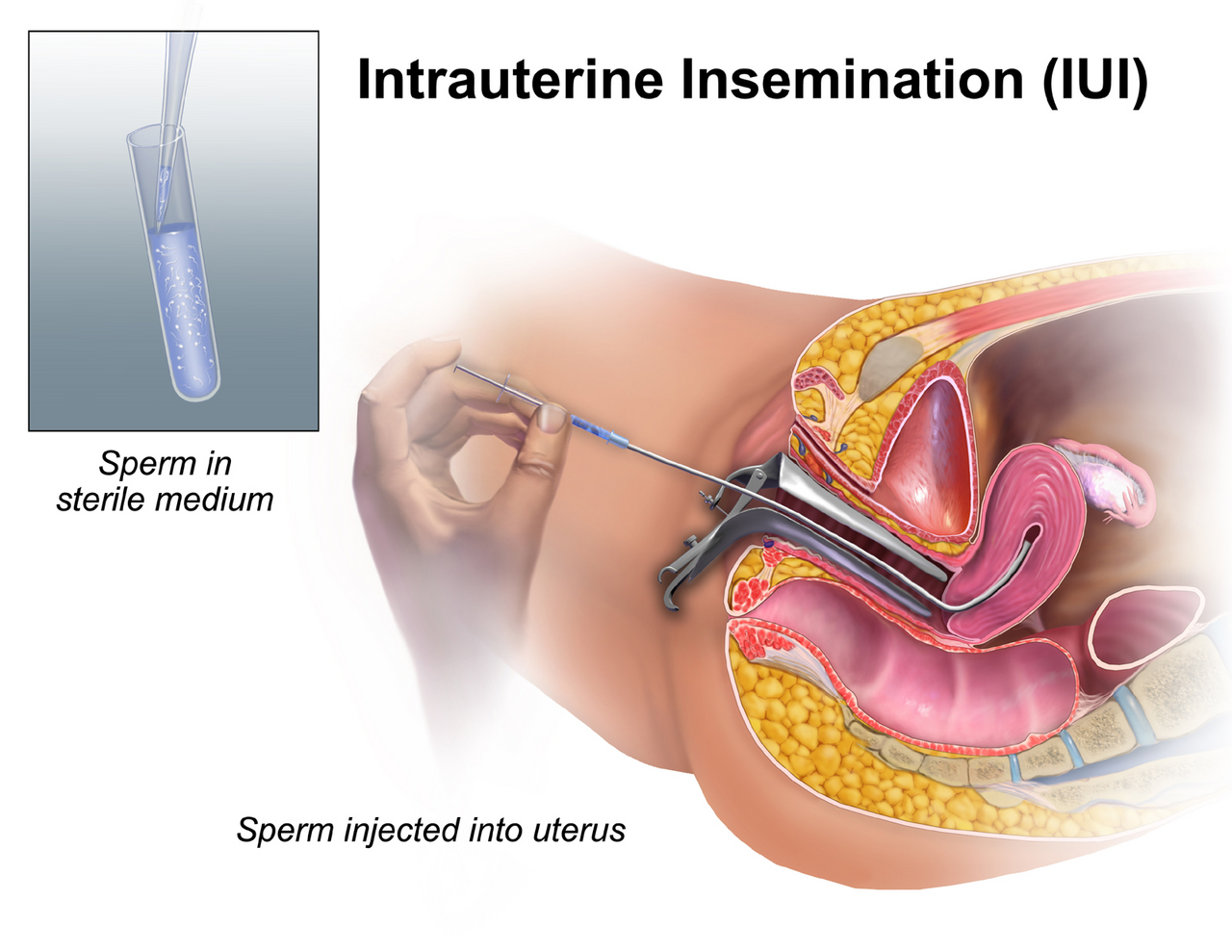

Procedure and main components
The process commonly involves three stages: collection of semen from a male or donor, laboratory processing (which may include filtering, concentrating and, for some methods, freezing), and timed placement into the female reproductive canal. Placement sites vary; some techniques deliver sperm near or into the cervix while others place it directly in the uterus. Clinical timing is coordinated with ovulation to improve chances of fertilization.
Types and methods
- Intracervical insemination (ICI): sperm deposited at the entrance to the cervix.
- Intrauterine insemination (IUI): washed sperm inserted into the uterine cavity using a catheter.
- Donor insemination: use of donated semen when the partner's sperm are unavailable or unsuitable.
History and development
Techniques resembling artificial insemination have been explored for centuries, but systematic development began with animal husbandry and agricultural research. Widespread adoption in commercial livestock breeding increased during the twentieth century. Medical refinements and laboratory methods later extended its use in human fertility care and reproductive medicine.
Uses, benefits and notable considerations
AI is widely used to improve genetic selection, control disease transmission, and increase reproductive efficiency in animal populations. In human contexts it assists people facing infertility, same-sex couples, and single individuals who wish to conceive. Advantages include greater control over timing and selection; limitations include variable success rates influenced by age, reproductive health, and sperm quality, and ethical, legal or social considerations in some jurisdictions.
Types of questions and distinctions
Artificial insemination is distinct from natural conception through sexual intercourse because the introduction of semen is assisted and often medically timed. It also differs from advanced assisted reproductive technologies like in vitro fertilization, where fertilization occurs outside the body. Practitioners and prospective parents consider technical, legal and ethical factors—such as donor anonymity and medical screening—when choosing this option.
For more procedural details, complication rates and local regulations consult clinical sources or reproductive specialists. Additional introductory and technical resources are available: sperm handling overview, cervical anatomy, comparisons with intercourse, livestock breeding practices.
Related articles
Author
AlegsaOnline.com Artificial insemination Leandro Alegsa
URL: https://en.alegsaonline.com/art/6346