
Dolphin (Delphinidae and relatives): biology, behavior, and conservation
Overview of dolphins: anatomy, behavior, taxonomy (oceanic and river species), intelligence and echolocation, human interactions, and conservation challenges.
Overview
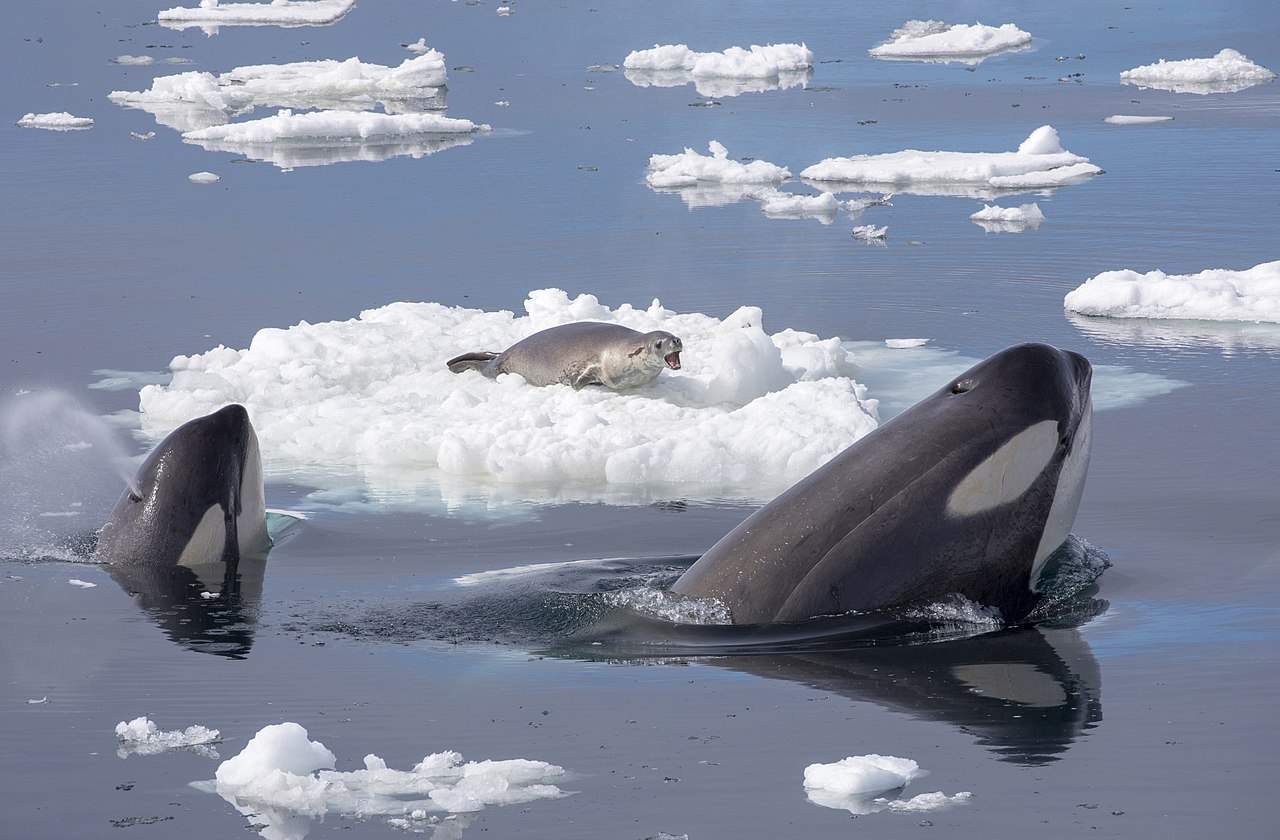
Dolphins are aquatic mammals belonging to the group of toothed whales. They vary widely in size and habitat: most species are among the smaller whales and are found in saltwater oceans, while several specialized species inhabit rivers. The term "dolphin" is commonly applied to members of the family Delphinidae (the true dolphins), but it is also used for some closely related toothed whales. Typical adult dolphins range from about 1.5 to 4 meters long; the largest, the killer whale or orca, can reach lengths near 8 meters and exhibits many behaviors typical of dolphins.
Image gallery
10 Images





Anatomy and senses
Dolphins have streamlined bodies adapted to efficient swimming. Their breathing is accomplished through a single muscular opening called a blowhole on the top of the head; this placement lets them inhale and exhale at the surface rapidly without lifting the whole body. A dolphin’s external skin lacks scales, feeling smooth and rubbery but supported by powerful musculature beneath. They are obligate air-breathers and must surface regularly for air. Many species have a pronounced beak or rostrum and a dorsal fin for stability. For navigation and hunting, dolphins use sophisticated echolocation, emitting clicks and listening to the returning echoes to perceive shape, distance and even internal structure of objects.
Social behavior and diet
All dolphins are social to varying degrees and typically live in groups called pods. Pod size and stability depend on species and environment: some form long-term, complex alliances while others aggregate temporarily to feed. Dolphins are opportunistic predators, feeding mainly on fish and squid; coordinated hunting can drive fish into tight bait balls that individuals then exploit. Mothers care for calves for extended periods, often helping each other with protection and nursing so that young can surface more frequently to breathe. Dolphins have been observed cooperating to deter or injure predators such as sharks, sometimes using ramming or group mobbing tactics.
Diversity, taxonomy and habitats
Broadly there are two habitat categories: oceanic dolphins that inhabit seas worldwide and several lineages of river dolphins that evolved to live in freshwater systems. Many river species are highly adapted to turbid, shallow water with reduced eyesight and specialized echolocation. For example, three of the four recognized river-dwelling species occupy fresh water river systems, while the La Plata dolphin uses coastal estuaries and nearshore marine areas. Key anatomical traits—such as the position of the blowhole, the streamlined body, and limb modifications into flippers—distinguish dolphins from land mammals and make them efficient swimmers.
Etymology, cognition and notable distinctions
The word "dolphin" derives from the Ancient Greek δελφίς (delphis), originally applied to a womb-bearing fish; scientific understanding later placed dolphins among mammals due to live birth and nursing. Dolphins show advanced cognitive behaviors: problem solving, tool use in some populations, cultural transmission of hunting techniques, and complex vocal repertoires. They are often contrasted with porpoises, which belong to a different family and tend to be smaller with spade-shaped teeth and shorter beaks. Anatomical notes: the blowhole is located on the top of the head, enabling quick respiration above the water.
Human interactions and conservation
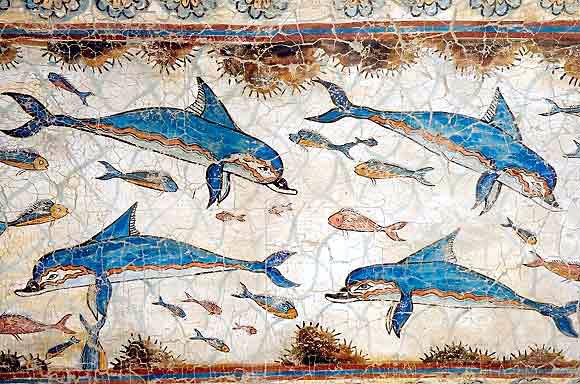
Dolphins have long fascinated humans—appearing in art and folklore, serving as subjects of scientific study, and attracting tourism. They are kept in some marine parks, sometimes controversially, for public display and research. Many species face threats from habitat loss, pollution, bycatch in fisheries and targeted hunting in some regions. River-dwelling dolphins are particularly vulnerable because of restricted ranges and degraded waterways. Conservation efforts combine habitat protection, fisheries management, pollution control and public education. For reliable, species-specific information consult specialist resources or conservation organizations via trusted portals such as taxonomic databases and regional marine conservation groups (size and distribution summaries, oceanic habitat data, river studies).
- Examples of well-known dolphins: Bottlenose dolphins, orcas (killer whale), Amazon river dolphins and Ganges river dolphins.
- Key features to recognize: social pods, echolocation, a dorsal fin, and a blowhole on the head.
- Conservation priorities: reducing bycatch, protecting coastal and riverine habitats, and controlling pollution.
For introductory further reading and species lists, consult regional guides and reviews (oceanic species, riverine species). Scientific and management communities continue to refine dolphin taxonomy and status assessments as new genetic and ecological data become available.
Questions and answers
Q: What are dolphins?
A: Dolphins are part of the toothed whales, but they are among the smaller whales.
Q: Where do most dolphins live?
A: Most dolphins live in salt water oceans, but some live in rivers.
Q: What are the sizes of dolphins?
A: Dolphins are from 1.5 meters (4.9 ft) to 4 meters (13 ft) long, but the largest dolphin, the killer whale, can be up to 8 meters (26 ft) long.
Q: Do dolphins live in groups?
A: Yes, all dolphins live in groups called "pods".
Q: What do dolphins eat?
A: Dolphins eat fish, and they chase fish in groups to eat as many as they can.
Q: Why are dolphins a threat to sharks?
A: Dolphins can help each other fight off predators, and they can kill large sharks by ramming them over and over again with their snouts and heads.
Q: What are the threats to dolphins?
A: Water pollution and the loss of habitat are a threat to some dolphins, especially those living in rivers and estuaries.
Related articles
Author
AlegsaOnline.com Dolphin (Delphinidae and relatives): biology, behavior, and conservation Leandro Alegsa
URL: https://en.alegsaonline.com/art/28250
Sources
- commons.wikimedia.org : Delphinidae
- bbc.co.uk : bbc.co.uk
- dougsmith.ancients.info : "Taras"
- guardian.co.uk : "Dolphin slaughter turns sea red as Japan hunting season returns"
- marineconnection.org : "Dolphin-Assisted Therapy: more flawed data and more flawed conclusions"
- doi.org : 10.2752/089279307X224782