
Aquificaceae: thermophilic bacteria of hot springs and hydrothermal systems
Aquificaceae are a family of heat-loving, chemolithoautotrophic bacteria found in hot springs and hydrothermal vents; they play roles in primary production, biogeochemical cycles and studies of early life.
The family Aquificaceae comprises a group of bacteria adapted to very high temperatures and chemically extreme environments. Members of this family are true Bacteria, not Archaea, although they often coexist with members of the domain Archaea in the same habitats. Aquificaceae are notable for their ability to oxidize inorganic molecules and fix carbon in conditions that few other bacteria tolerate.
Image gallery
1 Image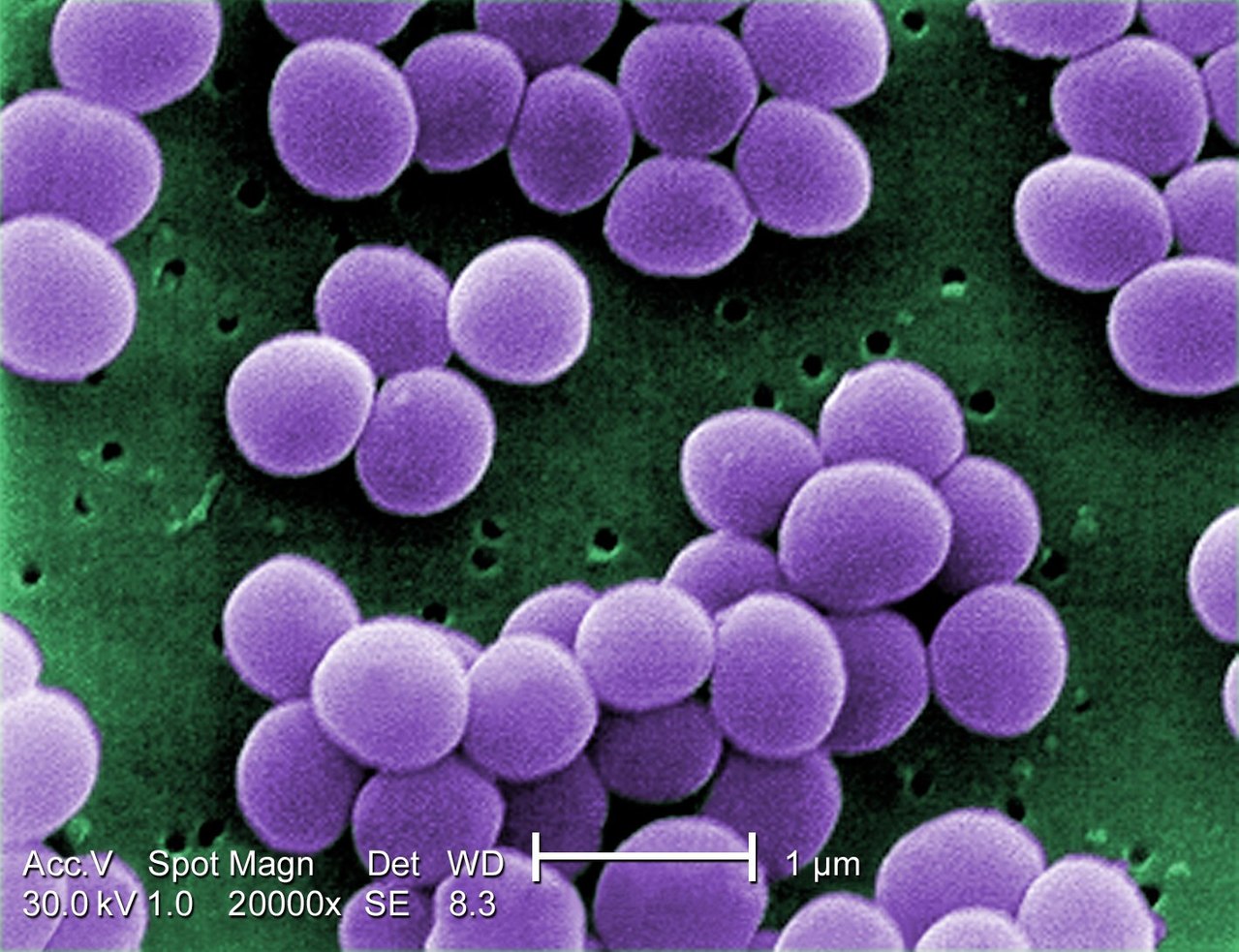
Key characteristics
Aquificaceae are typically Gram-negative, rod-shaped or filamentous cells that reproduce by binary fission. They are obligately or facultatively chemolithoautotrophic: that is, they gain energy by oxidizing inorganic compounds such as hydrogen, reduced sulfur species, or thiosulfate and use that energy to fix carbon dioxide. Many species fix CO2 via alternative pathways (for example, the reverse tricarboxylic acid cycle) rather than the Calvin cycle common in plants.
Habitat and ecological role
These bacteria inhabit high‑temperature environments such as terrestrial hot springs, sulfur pools, and deep-sea hydrothermal vents. They are often pioneering primary producers in those systems, forming microbial mats or biofilms and supporting diverse communities by converting inorganic substrates into organic matter. Their metabolic activities contribute to hydrogen, sulfur and carbon cycling in extreme ecosystems.
Evolutionary significance and research
Aquificaceae belong to a lineage that branches near the base of the bacterial tree in many molecular studies, which has made them subjects of interest in research on early bacterial evolution and the origin of thermophily. Several representative genomes have been sequenced and studied to understand thermostable proteins, membrane adaptations, and minimal metabolic networks that function at high temperature.
Practical importance and uses
- Biotechnology: thermostable enzymes and proteins from Aquificaceae are useful for industrial processes that require heat-stable catalysts.
- Ecosystem studies: they serve as models for primary production under extreme conditions and for studying microbial interactions in thermal habitats.
- Evolutionary biology: their early-branching position and simple metabolic strategies help researchers infer characteristics of ancient life.
Notable distinctions
Although Aquificaceae inhabit many of the same extreme niches as Archaea, they are distinct at the cellular and genetic levels and belong to the bacterial domain. They are not as taxonomically diverse as some other bacterial families, but their physiological specialization makes them ecologically and scientifically important. For further general background on related topics see Aquificaceae overview, information about bacterial diversity, and comparative notes on Archaea versus Bacteria.
Tags
Related articles
Author
AlegsaOnline.com Aquificaceae: thermophilic bacteria of hot springs and hydrothermal systems Leandro Alegsa
URL: https://en.alegsaonline.com/art/5101