
Otter — aquatic mustelids: overview, behavior, habitat and conservation
Otters are semi-aquatic mammals in the Mustelidae family. Adapted for life in and near water, they vary from river otters to sea otters and play important ecological roles while facing habitat and pollution threats.
Otters are carnivorous mammals of the family Mustelidae adapted to living in and around water. They are known for streamlined bodies, dense fur, webbed feet and long tails that aid swimming. The group includes freshwater river otters, marine sea otters and several other species adapted to lakes, rivers, marshes and coastal waters. For a general introduction see overview sources.
Image gallery
10 Images


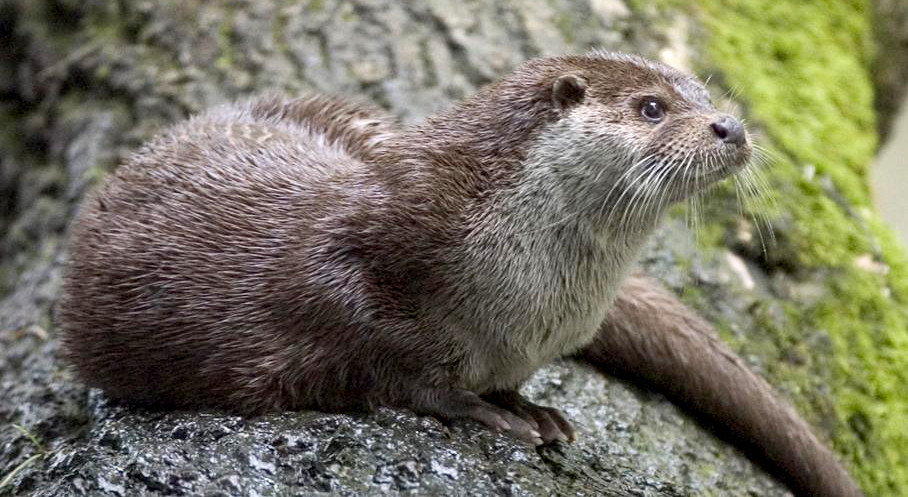


Physical characteristics and behaviour
Otters have thick, insulating fur rather than blubber, which helps them remain warm in cold water. Many species are playful and highly agile swimmers. Social organization ranges from solitary to group-living; a common collective noun for a group of otters is a "romp" due to their energetic social play. They shelter in dens often called holts or bank dens; more on aquatic habitats is available at water habitat resources.
Classification and species
Otters belong to the mustelid family, which also includes weasels, badgers and wolverines. There are around a dozen species of otters worldwide, each adapted to specific environments. For taxonomic details consult mustelid references.
Distribution and habitats
Different species occupy rivers, lakes, wetlands and coastal seas. River otters are commonly associated with inland waterways while sea otters live along rocky shorelines in the northern Pacific. Otters are found on most continents; see regional distribution notes at river habitats, marine habitats and specific information on the sea otter at sea otter resources. Broad continental occurrence is summarized in distribution summaries, with none native to Australia and Antarctica.
Diet, ecology and conservation
Otters are primarily fish and invertebrate eaters; some species use stones or tools to open shells. They can act as ecological indicators and, in coastal systems, keystone predators that help maintain healthy kelp forests. Major threats include habitat degradation, pollution (including oil spills), entanglement in fishing gear and historical hunting for fur. Conservation status varies by species and region; many benefit from habitat protection, pollution controls and legal safeguards.
- Key facts: dens called holts, groups often called romps.
- Adaptations: dense fur, webbed feet, aquatic hunting skills.
- Human relevance: ecological role, cultural value, conservation concern.
Questions and answers
Q: What is a group of otters called?
A: A group of otters is called a "romp".
Q: Where do otters live?
A: Otters live near and around water, in nests called holts. They can be found on every continent except for Australia and Antarctica.
Q: What family are otters part of?
A: Otters are part of the animal family Mustelid.
Q: Are there different kinds of otters?
A: Yes, there are different kinds of otters. Some live near rivers, some in the sea (sea otters).
Q: What do otter groups do together?
A: Otter groups play together and are energetic, which is why they are sometimes referred to as a "romp".
Q: Do all otter species live in the same environment?
A: No, not all species of otter live in the same environment. Some live near rivers while others inhabit the sea (sea otters).
Q: Are there any continents where you won't find anotter population?
A: Yes, you won't find anotter population on either Australia or Antarctica.
Related articles
Author
AlegsaOnline.com Otter — aquatic mustelids: overview, behavior, habitat and conservation Leandro Alegsa
URL: https://en.alegsaonline.com/art/73542
Sources
- commons.wikimedia.org : Otter
- species.wikimedia.org : lutrinae
- en.wikisource.org : otter
- seaworld.org : "Otters – Physical Characteristics"