
Ocean
A comprehensive overview of Earth's oceans: their extent, structure, major divisions, ecosystems, role in climate, human uses, and contemporary threats.
Overview
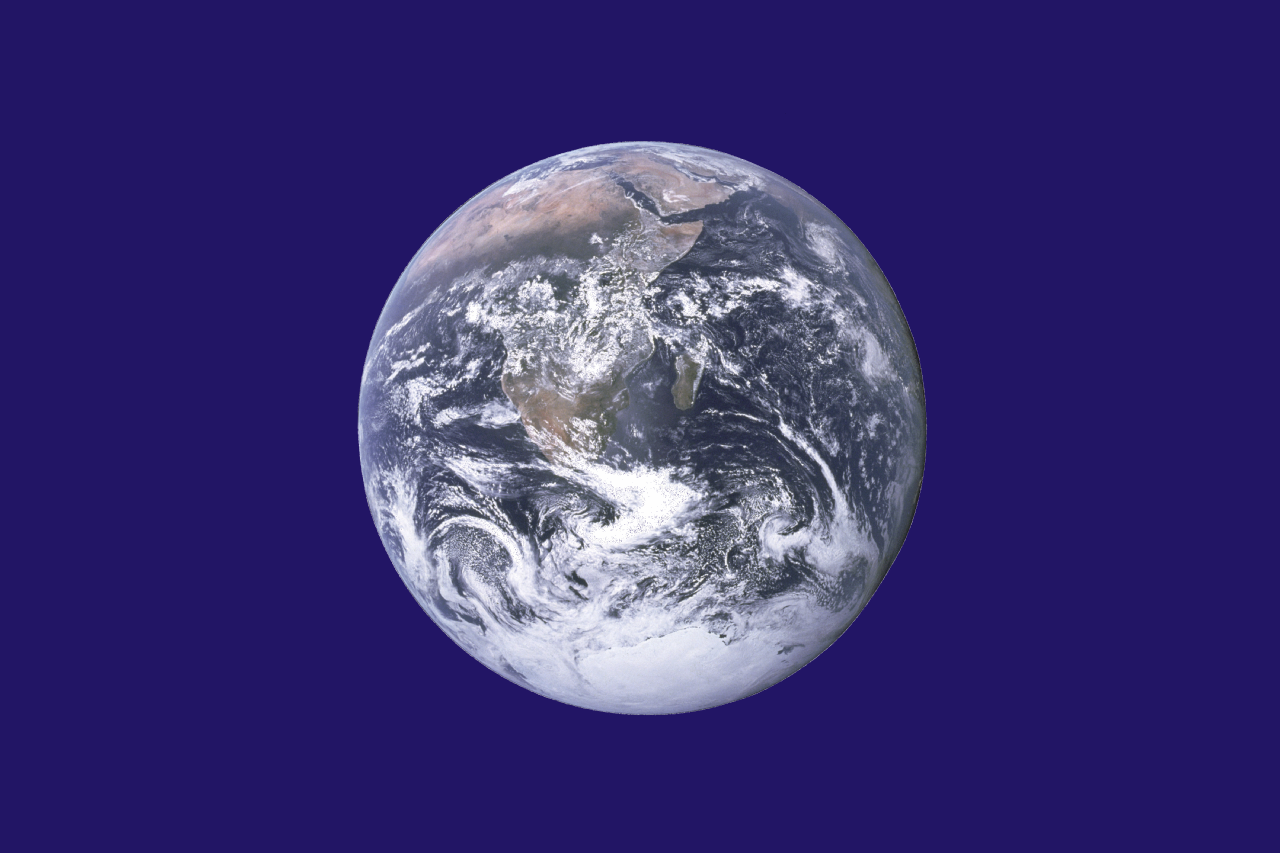
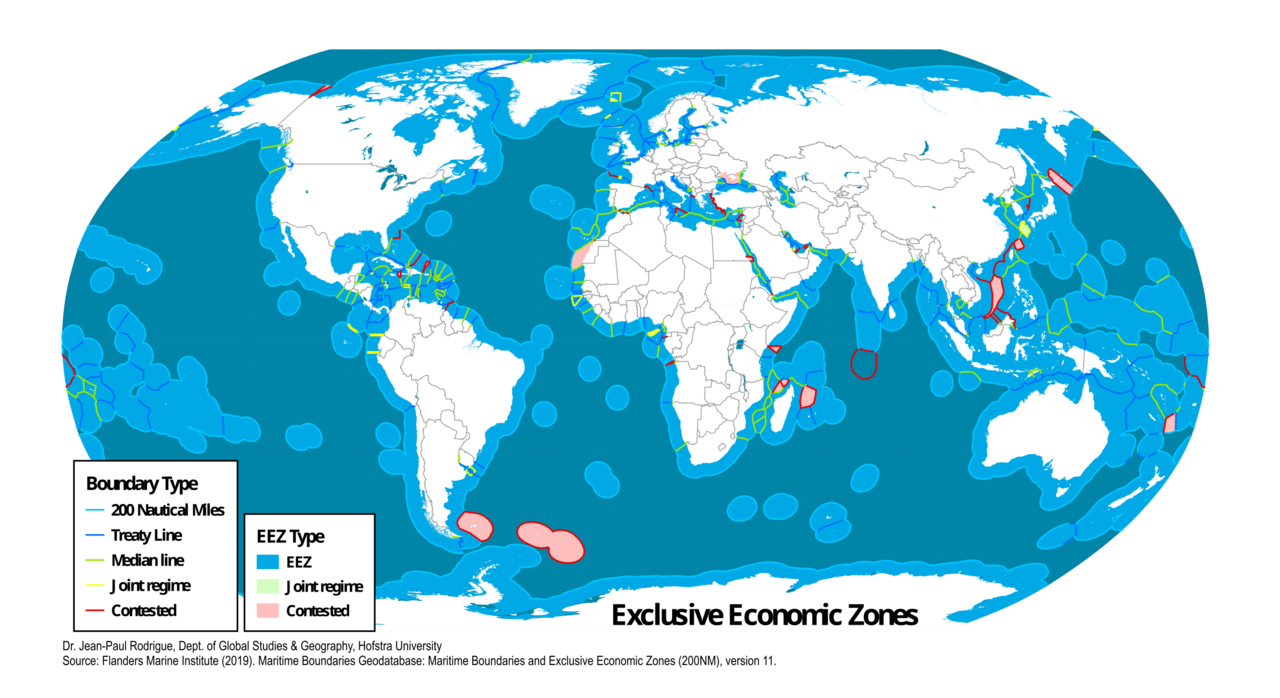
An ocean is a vast body of saline water that lies between large landmasses and supports complex physical and biological systems. Oceans cover roughly seven tenths of Earth's surface and connect with smaller seas and bays. Geographers and marine scientists commonly treat the global water expanse as five principal regions: the Pacific Ocean, the Atlantic Ocean, the Indian Ocean, the Southern Ocean, and the Arctic Ocean. The Southern Ocean, sometimes called the Antarctic Ocean, encircles the continent of Antarctica and is distinguished by powerful circumpolar currents.
Image gallery
10 Images





Physical characteristics
Oceans display a range of physical properties: varying temperature, salinity, density and depth. Surface waters are warmed by the sun and interact continually with the atmosphere, while deeper waters are cold and under high pressure. The average ocean depth is on the order of several thousand meters. Ocean basins include continental shelves, slopes, abyssal plains and deep trenches. Ocean water chemistry, such as its salt content, affects circulation and marine life distribution.
Zones and habitats
Life in the ocean is structured by light penetration, depth and proximity to shore. Broad vertical zones include the sunlit surface layer, a dim middle layer and the dark deep sea. Horizontally, coastal areas, open-ocean (pelagic) regions and the sea floor (benthic zone) host different communities. Typical habitats include coral reefs, kelp forests, estuaries, mangroves and hydrothermal vent fields where chemosynthetic organisms obtain energy from Earth’s internal heat rather than sunlight.
Circulation and climate role
Large-scale ocean currents, driven by winds, differences in water density and Earth's rotation, move heat and nutrients around the globe. These currents influence regional climates, transport carbon and oxygen, and play a central role in the global climate system. Processes often referred to collectively as thermohaline circulation help distribute heat from the tropics to higher latitudes, moderating weather and long-term climate patterns. Researchers study these processes to understand climate variability and change.
Biodiversity and importance
Oceans sustain a wide range of life, from microscopic plankton to the largest mammals on Earth. Marine ecosystems provide food, oxygen and economic resources for billions of people. Fisheries, shipping lanes and coastal tourism depend on healthy ocean systems. Scientists classify the ocean as a major marine biome, and they examine interactions among species, habitats and physical drivers to conserve biodiversity and maintain ecosystem services.
Human uses and contemporary threats
People rely on oceans for food, transportation, energy and cultural values. At the same time, human activities have introduced stresses: overfishing, pollution (including plastics and chemical runoff), ocean warming, deoxygenation and acidification from increased atmospheric CO2. Coastal development and habitat loss further degrade marine environments. Addressing these challenges requires international cooperation, science-based management and sustainable practices to protect ocean health.
Distinctions and notable facts
- The five named oceans form an interconnected global system rather than isolated basins; boundaries are often defined by convention and physical features (continental margins and current systems).
- Many important research questions concern deep-sea life, submarine geology and how oceans will respond to a changing climate.
- Smaller seas and marginal waters link to the major oceans; these connections influence local ecology and human activity (seas).
For further introductory resources, consult general overviews and educational portals offered by oceanographic institutions and regional research programs (continents and ocean boundaries), ocean policy bodies (regional seas agreements), or academic summaries of marine biomes and circulation (marine biome). Specific ocean basins can be explored in detail through resources dedicated to the Pacific, Atlantic, Indian, Southern and Arctic Oceans, and by studying polar systems around Antarctica.
Questions and answers
Q: What is an ocean?
A: An ocean is a large area of water between continents.
Q: How much of the Earth do oceans cover?
A: Oceans cover 72% of Earth.
Q: Name the five main oceans.
A: The five main oceans are the Pacific Ocean, the Atlantic Ocean, the Indian Ocean, the Southern Ocean, and the Arctic Ocean.
Q: Which is the largest ocean?
A: The largest ocean is the Pacific Ocean.
Q: What types of animals live in oceans?
A: Many types of animals live in oceans, such as carp, crabs, starfish, sharks, and whales.
Q: Which ocean is also called the Antarctic Ocean and why?
A: The Southern Ocean is also called the Antarctic Ocean because it covers the area around Antarctica.
Q: Which is the deepest ocean and what is it characterized by?
A: The deepest ocean is the Pacific Ocean. The deep ocean is characterized by cold temperatures, high pressure, and complete darkness.
Related articles
Author
AlegsaOnline.com Ocean Leandro Alegsa
URL: https://en.alegsaonline.com/art/71848
Sources
- fishbase.org : FishBase.