
Mammal (class Mammalia)
Mammals (class Mammalia) are warm-blooded vertebrates with hair or fur and mammary glands. They include monotremes, marsupials and placentals and occupy diverse ecological roles worldwide.
Mammals belong to the biological class Mammalia, a group of vertebrate animals characterized by several distinctive features. The name Mammalia derives from Latin mamma (breast), reflecting the defining presence of mammary glands in female mammals. Members of this class are widespread and occupy nearly every terrestrial and many aquatic habitats.
Image gallery
10 Images





Key characteristics
Most mammals have some form of fur or hair, which serves as insulation and sensory structure. They are endothermic (often called warm-blooded) and maintain a relatively stable internal temperature through metabolic heat production and insulation. Other typical features include a diaphragm that aids breathing, three small middle ear bones that improve hearing, a well-developed neocortex in the brain associated with complex behaviors, and differentiated teeth (incisors, canines, molars) adapted to various diets.
Reproduction and development
Mammalian reproductive strategies vary. With the exception of egg-laying monotremes, most mammals give birth to live young. The group is commonly divided into three major lineages: monotremes (egg-laying), marsupials (young born at an early stage and often carried in a pouch), and placentals (young develop inside the uterus supported by a placenta). Lactation—the production of milk by mammary glands—is unique to mammals and underpins extended parental care, which is widespread and often involves prolonged learning periods for offspring.
Diversity and ecological roles
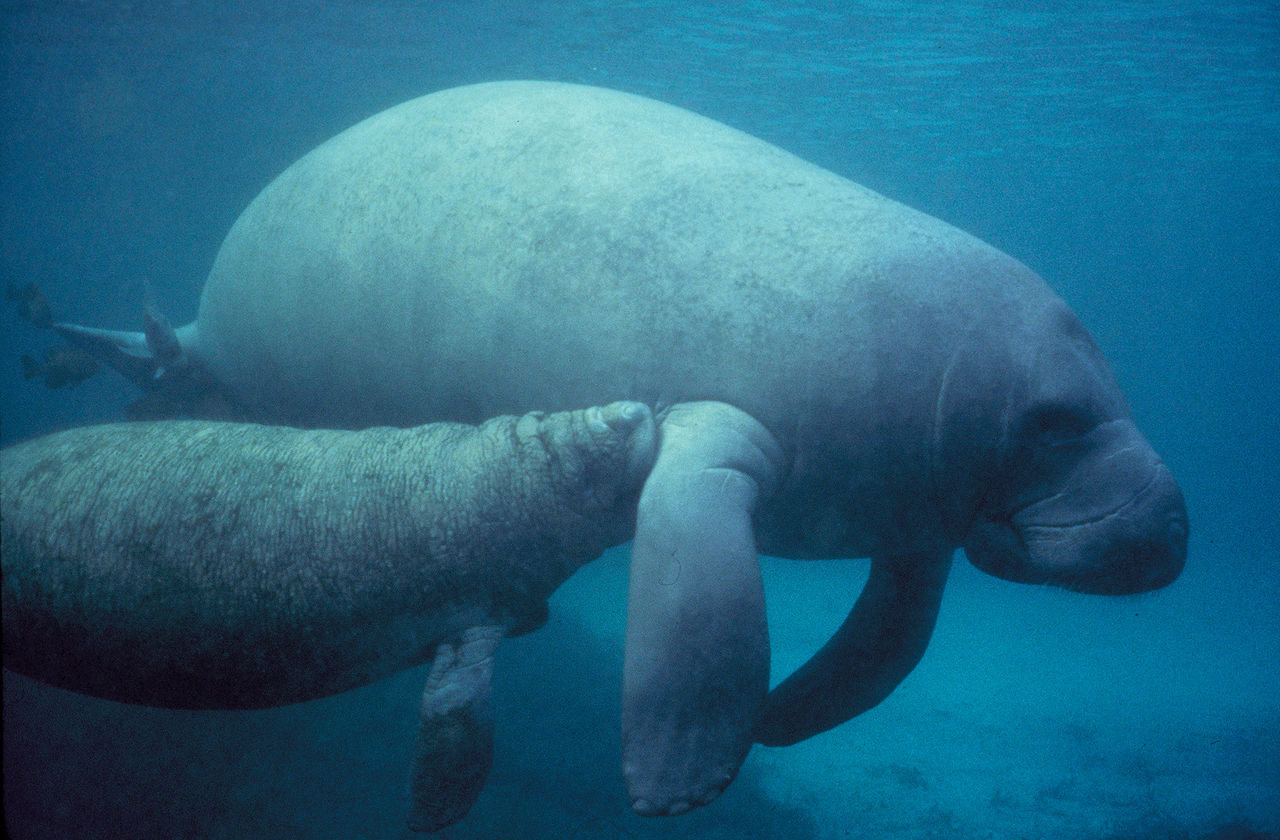
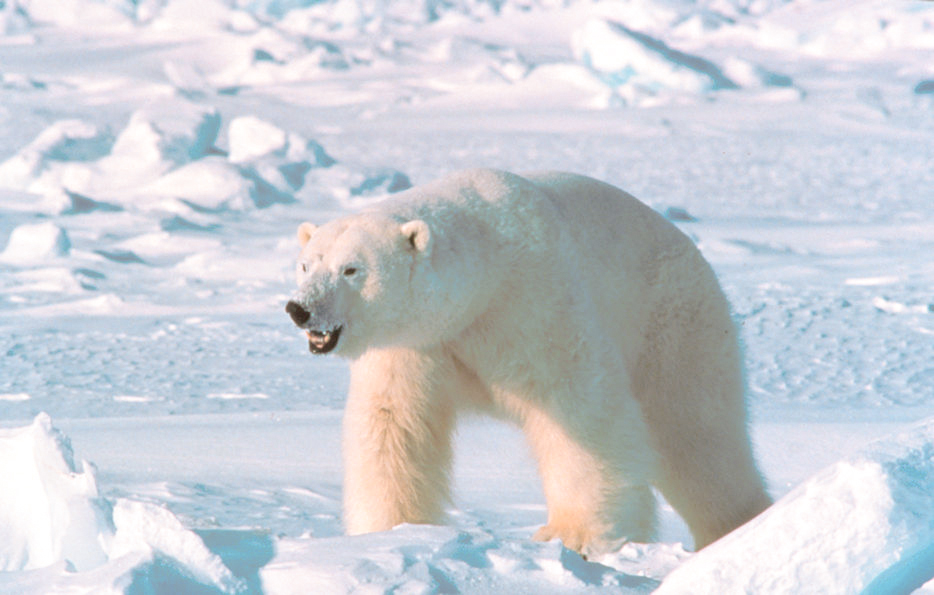
Mammals range dramatically in size and form, from the blue whale, the largest known animal, to tiny bats and other small species. They inhabit forests, grasslands, deserts, mountains, freshwater and marine systems. Diets include herbivory, carnivory, omnivory, insectivory and specialized feeding strategies like nectarivory and filter feeding. As predators, prey, pollinators, seed dispersers and ecosystem engineers, mammals perform many key ecological functions.
Evolution and historical development
Mammals evolved from synapsid ancestors often referred to as therapsids. Early mammal-like species appeared while dinosaurs dominated terrestrial ecosystems; however, most remained small and nocturnal until the mass extinction that removed non-avian dinosaurs. After that event mammals diversified into many of the large-bodied and specialized forms seen today. Recent research suggests that epigenetic regulatory mechanisms were important early in mammalian evolution and may have contributed to developmental flexibility across the group (epigenetics).
Importance to humans and conservation
Humans rely on mammals for food, labor, companionship and scientific knowledge. Many domesticated mammals have shaped human societies. At the same time, mammal populations face threats from habitat loss, overexploitation, pollution and climate change. Conservation efforts aim to protect species diversity and the ecological services mammals provide.
- Distinctive groups: monotremes, marsupials, placentals.
- Characteristic traits: hair or hair/fur, mammary glands, endothermy.
- Classification and study information: see general resources under Mammalia and broader on vertebrate biology.
For introductory overviews and further reading consult general synopses and field guides (etymology and naming), taxonomic treatments, and conservation assessments available through major natural history compendia and databases (animal resources).
Questions and answers
Q: What does the word Mammalia mean?
A: Mammalia is derived from the Latin word "mamma", which means 'breast'.
Q: What are some characteristics of mammals?
A: Mammals have fur or hair and a very precise kind of temperature regulation. With the exception of monotremes, all mammals bear live young and produce milk for their young through mammary glands.
Q: How did mammals become dominant land animals?
A: After non-bird dinosaurs were eliminated, mammals became the dominant land animals.
Q: What has recent work helped to explain about mammal success?
A: Recent work has suggested that epigenetics may have started in early mammals, which could help explain their success.
Q: Do all mammals provide parental care for their young?
A: Yes, parental care of the young is universal among mammals, sometimes for extended periods.
Q: Are there any exceptions to mammalian live birth?
A: The only exception to mammalian live birth is monotremes, which lay eggs instead of giving birth to live young.
Related articles
Author
AlegsaOnline.com Mammal (class Mammalia) Leandro Alegsa
URL: https://en.alegsaonline.com/art/61128
Sources
- species.wikimedia.org : Mammalia
- commons.wikimedia.org : Mammalia
- iucnredlist.org : "Initiatives"
- reptile-database.org : The Reptile Database