
Habsburg Spain (1506–1700): empire, governance, religion and culture
History of Spain under the Habsburgs (1506–1700): a composite monarchy with vast overseas possessions, administrative institutions, military challenges, the Spanish Golden Age and its long-term legacy.
Habsburg Spain denotes the period from the accession of the Habsburgs in the early 16th century to the death of the last Spanish Habsburg in 1700. Under rulers commonly called Charles I and Philip II, Spain became a composite monarchy whose royal person united diverse kingdoms, territories and overseas empires. This era is notable for the expansion of Spanish influence across the Atlantic, sustained engagement in European affairs, major cultural production often grouped under the label Spanish Golden Age, and enduring administrative practices that shaped later Spanish state formation.
Image gallery
10 Images




Political origins and the composite monarchy
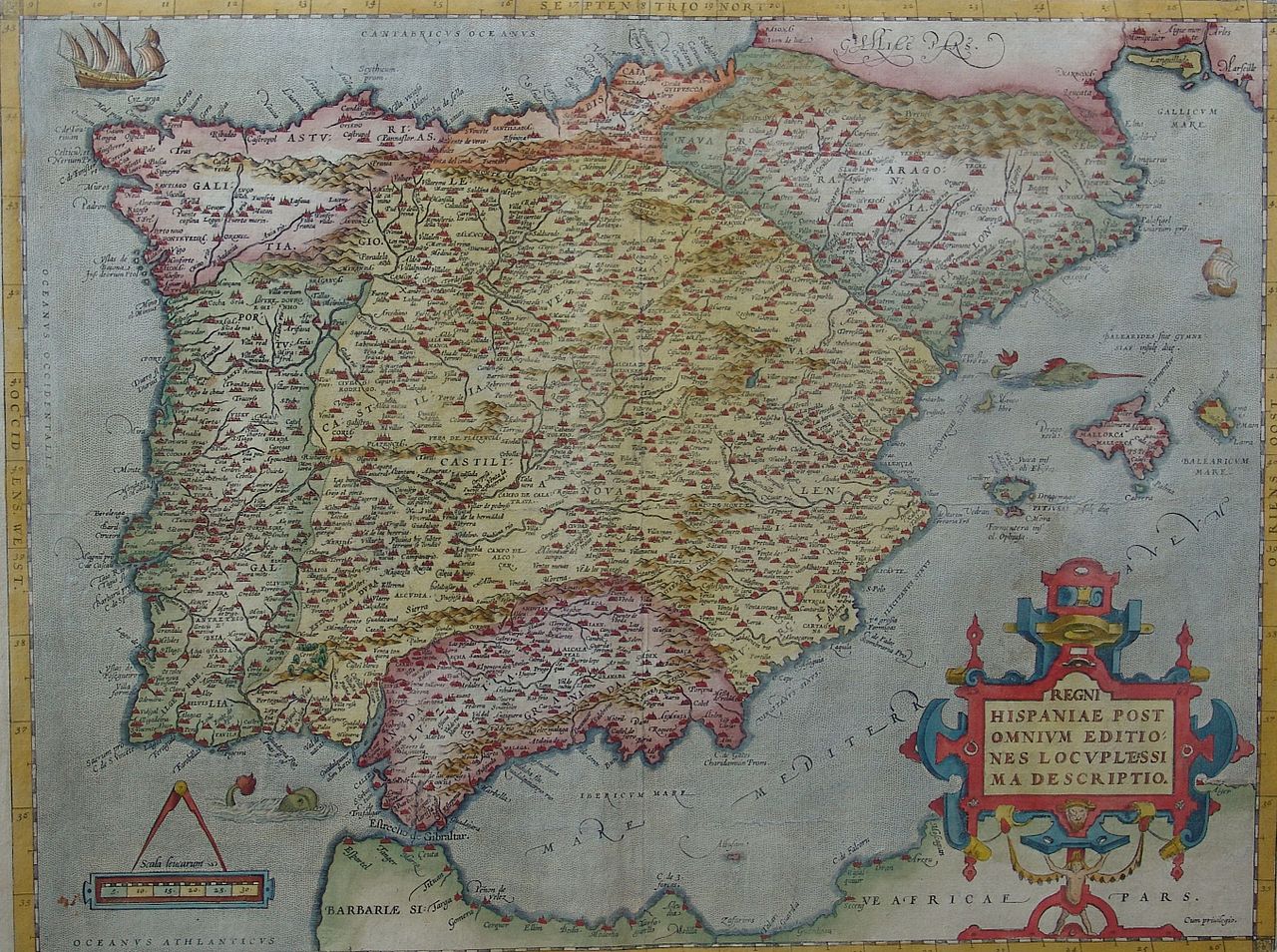
The political foundations of Habsburg Spain rested on dynastic unions and inherited crowns. The marriage and policies that bound Iberian polities in the late fifteenth century made possible a larger, Habsburg-led polity in the next century. Traditional kingdoms such as Castile and Aragon preserved distinct laws and institutions while sharing a common monarch; regions like León and Navarre were part of this composite structure. The Habsburgs also inherited or acquired territories beyond the peninsula, including lands that now lie within modern France and the German lands of the Holy Roman Empire (Germany), extending the crown’s diplomatic and dynastic concerns in Europe.
The monarchy governed through a network of councils (notably the Council of the Indies for colonial affairs) and viceroys in distant provinces, reflecting the priority given to local legal traditions even as the crown sought to coordinate imperial policy. Royal priorities combined dynastic security, defense of Catholic orthodoxy and management of long-distance commerce. The accession and policies of Charles I and Philip II are central to understanding these arrangements.
Overseas empire and administration
From the early sixteenth century Spain established colonial administrations in the Americas and the Philippines, linking transatlantic and transpacific trade networks. Large inflows of New World silver, most famously from mines such as Potosí, underpinned fiscal capacity but also generated inflationary pressures. Maritime routes, including the Manila galleons, connected Asia and the Americas and were guarded by Spanish warships. Administration of these overseas domains relied on royal councils and local officials; the crown created specific instruments and legal codes to regulate colonial governance and commerce.
Between 1580 and 1640 the Iberian dynastic situation brought the Portuguese Empire under Spanish rule, briefly integrating additional Atlantic and Indian Ocean territories. Elsewhere the crown retained small strategic holdings and fortified towns—Mediterranean and African enclaves such as Ceuta and Oran—that served military and commercial functions. Numerous smaller possessions and frontiers (small enclaves) shaped the crown’s regional posture.
Economy, finance and military commitments
The Habsburg state depended on a mixture of domestic taxation, rights and revenues from commercial monopolies, and precious-metal remittances from the Americas. Those resources enabled prolonged military engagement in Europe and overseas, including campaigns against Protestant princes, Ottoman forces and rival maritime powers. Military expenditures, combined with periods of poor harvests and the costs of maintaining garrisons and fleets, strained royal finances and produced recurring fiscal crises that influenced policy decisions.
Spanish forces were active across the continent and the Mediterranean; conflicts over the Low Countries, naval engagements and frontier warfare demonstrated both the reach of Habsburg power and its limits. Warfare encouraged innovations in logistics and administration, but also intensified competition with France, England and other emerging states.
Religion, the Inquisition and intellectual life
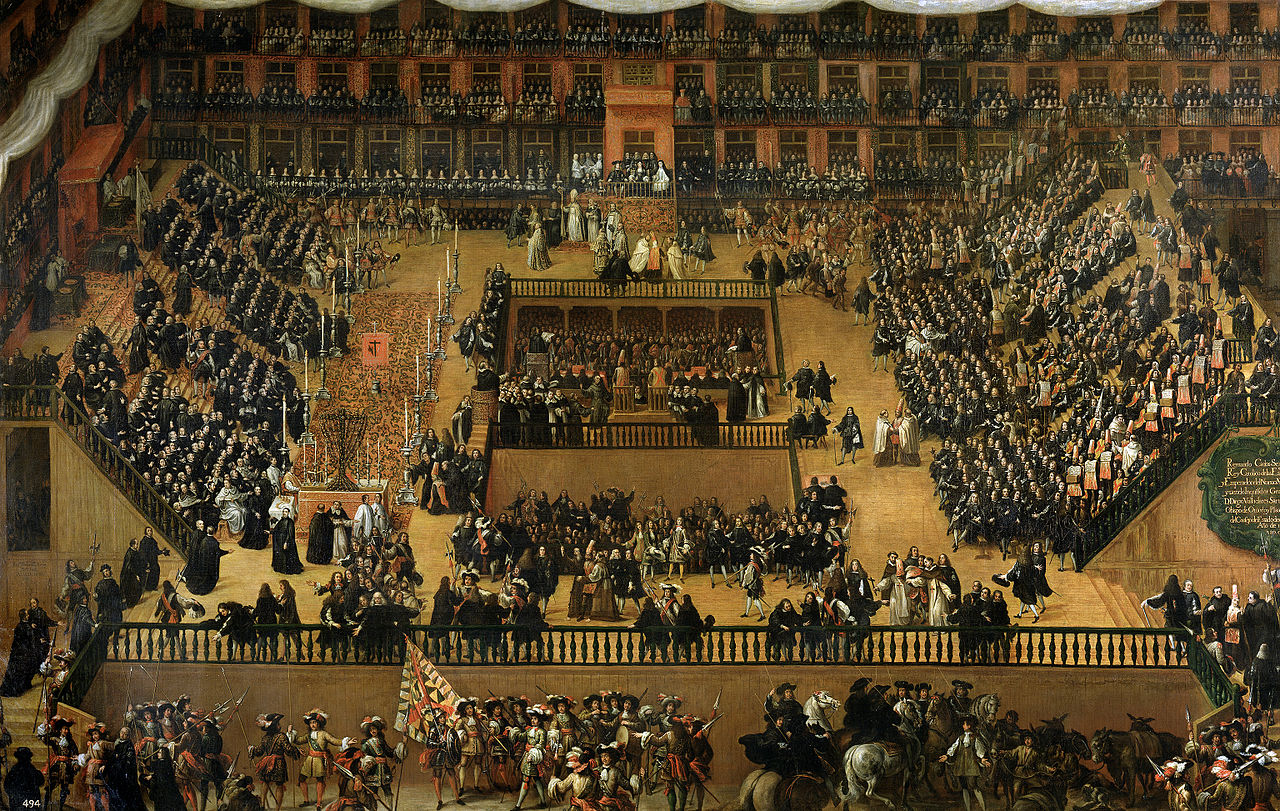
Religion was a central dimension of Habsburg rule. The monarchy promoted a Catholic confessional identity, supported ecclesiastical reform, and employed institutions such as the royal patronage of church offices. The Spanish Inquisition, already established before Habsburg political predominance, continued to play a role in prosecuting heresy and regulating religious conformity, as well as shaping social and intellectual life.
At the same time the period produced influential theologians and jurists who contributed to international debates about law, sovereignty and the rights of indigenous peoples—figures connected with universities and legal schools. Works by jurists and theologians shaped ideas about empire, natural law and the conduct of war in ways that resonated across Europe.
Culture: literature, painting and the arts
The Habsburg era coincides with a flourishing of letters and the visual arts. Court and religious patronage supported major writers, dramatists and mystics such as Miguel de Cervantes, Teresa of Ávila and Pedro Calderón de la Barca. Satirists and poets like Francisco de Quevedo contributed to a rich literary public sphere. Painters, including Diego Velázquez and El Greco, advanced artistic practices that remain central in the history of Western art.
These cultural achievements were closely tied to urban life, religious institutions and courtly culture; they were also shaped by contact with other societies and by the economic and political resources the empire could marshal for patronage and production.
Decline, succession and legacy
By the late seventeenth century military overreach, financial difficulties and regional challenges had eroded Spanish predominance. Revolts in the Low Countries and tensions in Iberia and the Mediterranean revealed structural strains. The death of the last Habsburg king of Spain in 1700 led to a European conflict over succession (War of the Spanish Succession) and the eventual accession of Philip V of the Bourbon dynasty. Subsequent reforms such as the Nueva Planta decrees encouraged administrative centralization and legal standardization, gradually transforming the composite monarchy into a more unitary state.
- Habsburg rule established patterns of imperial administration and transatlantic commerce that shaped the Atlantic world for centuries.
- The period’s cultural production continues to influence literature, theology and the visual arts internationally.
- The experience of governing widely different realms highlights the tensions of multi‑territorial rule: fiscal limits, military burdens and the management of legal diversity.
Readers may consult introductory surveys and specialized studies for more on dynastic politics, the administrative machinery of the monarchy and the cultural figures of the era. For concise reference on rulers, institutions and territorial holdings see treatments of early modern Spain and its role in European diplomacy, in Mediterranean affairs (naval and military history) and in colonial governance. For territorial and regional studies see works focused on the Low Countries, the Italian and German possessions, and the many local contexts where Habsburg rule operated (monarchs, regions within modern France, German lands, European politics, Portuguese union, fortified towns, Ceuta, Oran, cultural age, mystics, novelists, satirists, court painters, artists, Castile, León, Navarre, dynastic unions, de facto arrangements, Reconquista, papal relations, Nueva Planta, succession war, Bourbon succession).
Related articles
Author
AlegsaOnline.com Habsburg Spain (1506–1700): empire, governance, religion and culture Leandro Alegsa
URL: https://en.alegsaonline.com/art/41686