
Francisco de Quevedo: Spanish Golden Age writer, satirist and master of conceptismo
Spanish nobleman, courtier and one of the foremost writers of the Siglo de Oro, known for sharp satirical verse, picaresque prose and the compact, witty style called conceptismo.
Francisco Gómez de Quevedo y Santibáñez Villegas (born in Madrid, 14 September 1580; died Villanueva de los Infantes, 8 September 1645) was a Spanish nobleman, courtier and one of the leading literary figures of the Spanish Golden Age. He wrote poetry and prose across many genres, and his work is remembered for its verbal precision, satirical edge and moral concerns.
Image gallery
10 Images

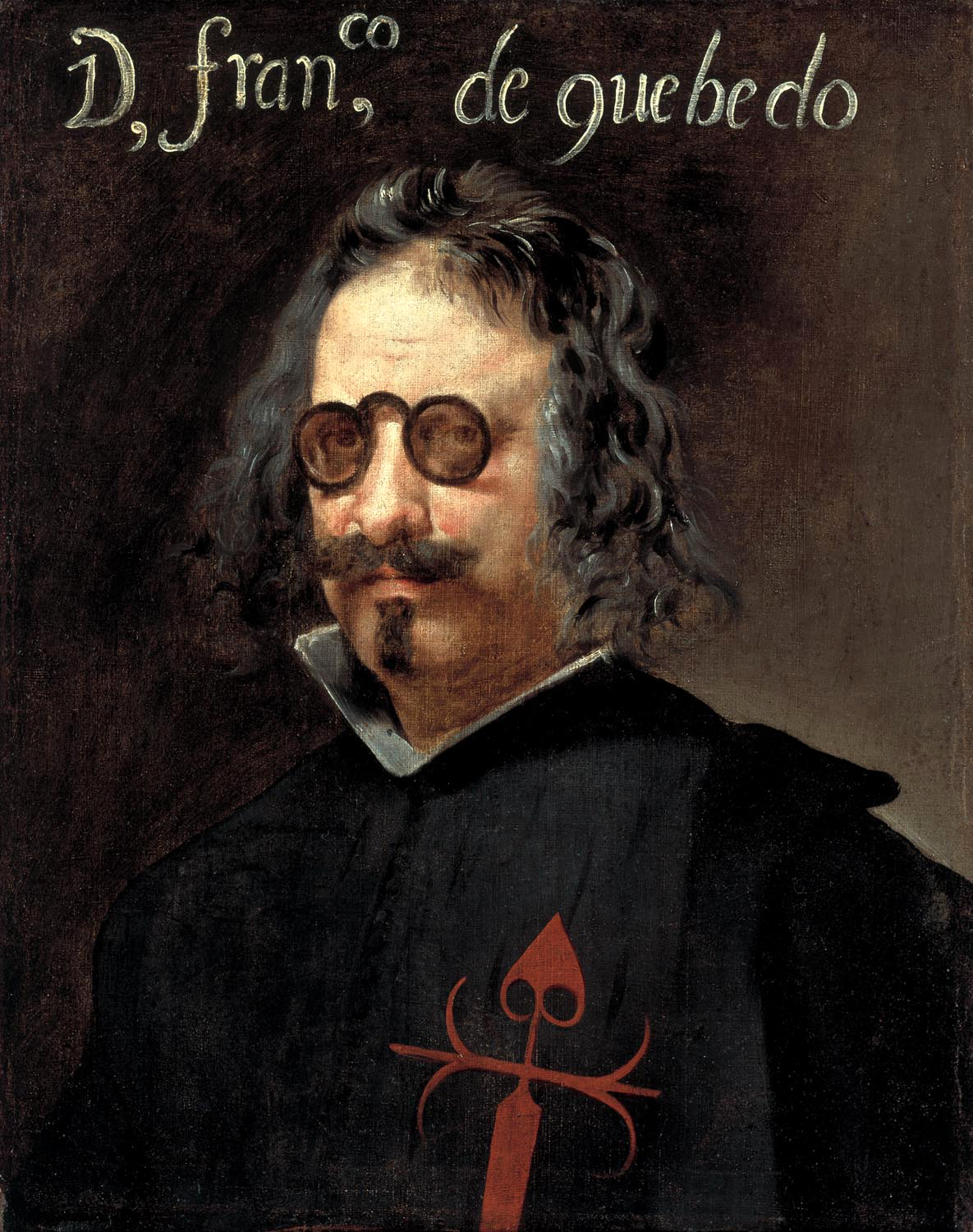


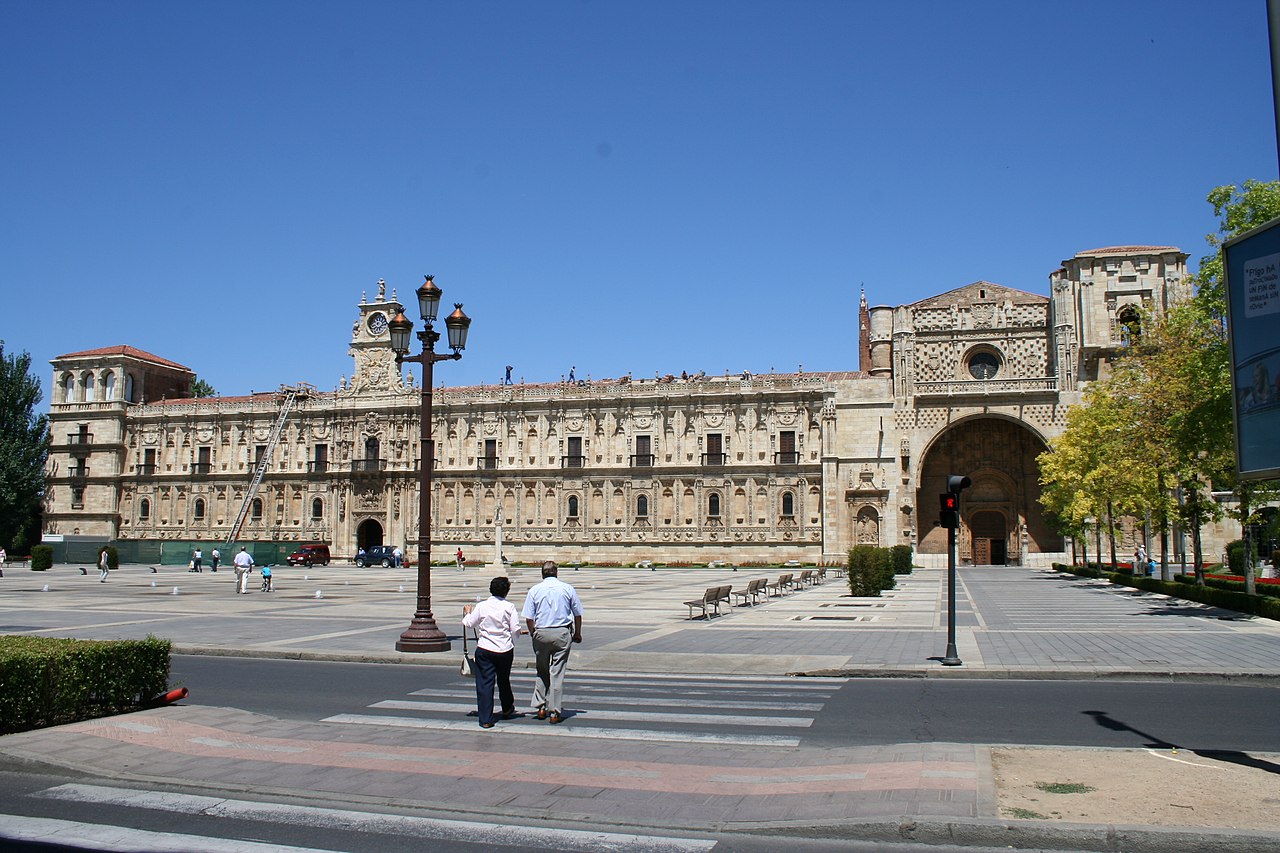


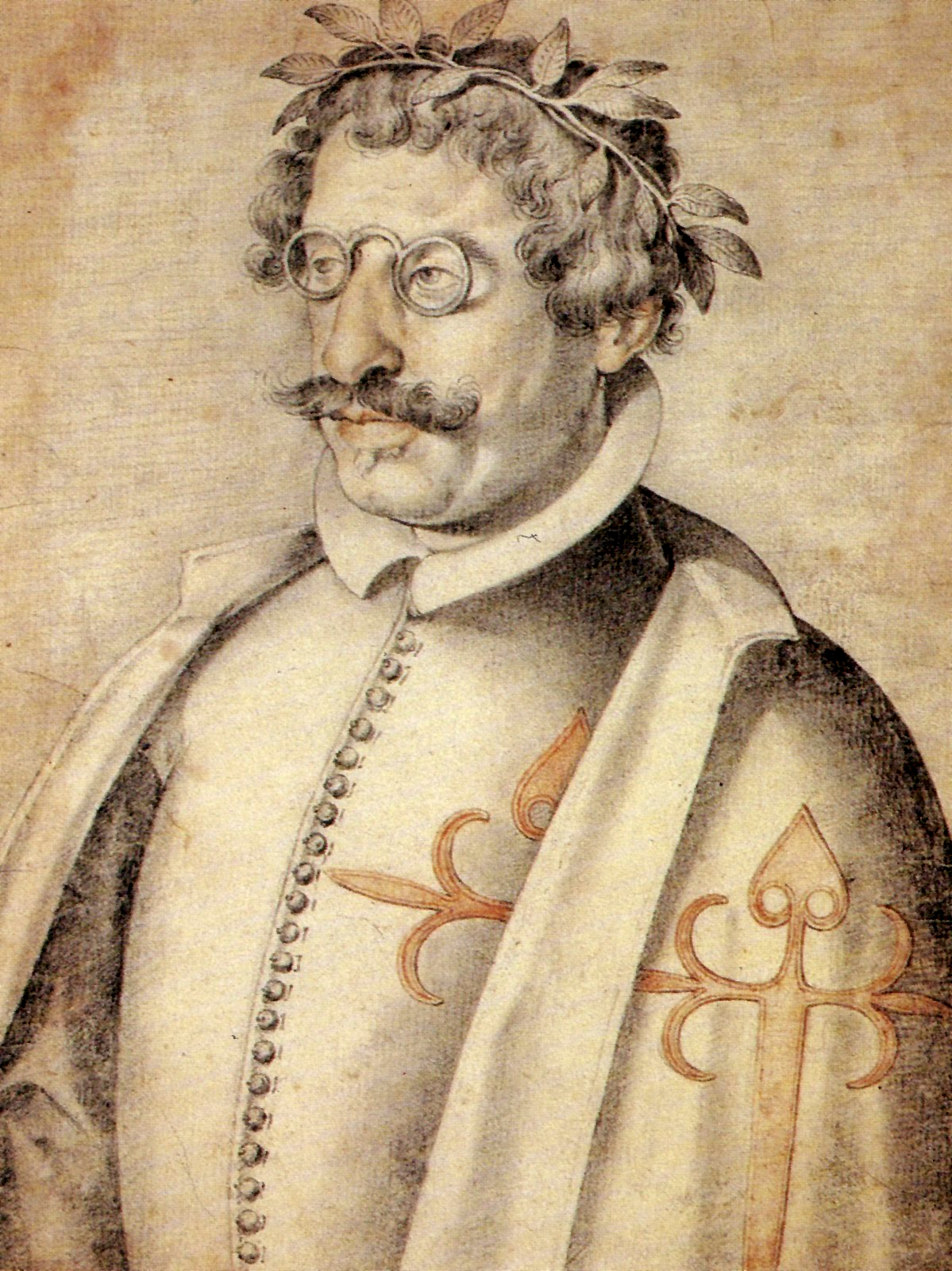

Literary style and themes
Quevedo is often associated with conceptismo, a literary tendency that prizes concentrated meaning, sharp conceits, paradox and verbal wit. His poems and prose employ compressed phrasing, punning, abrupt contrasts and dense imagery to explore love, death, social hypocrisy and political corruption. Satire and moral critique run through much of his output: he attacked folly and vice in both public life and private behaviour.
Major forms and notable works
He wrote lyric verse (including sonnets and satirical poems), philosophical and political prose, and narrative fiction. Among the works most frequently studied are his satirical sequences and his picaresque novel La vida del Buscón (often called The Swindler), which follows an antihero navigating social pretension and vice. He also produced collections of short prose and moral essays that mix erudition with biting humor.
Life, career and public role
Born to a family of the lesser nobility, Quevedo combined literary activity with periods of service at court and engagement in political debate. His temperament and sharp satires led to public conflicts with other writers and with political figures: he is famous for his long-standing literary rivalry with Luis de Góngora, whose elaborate culteranismo Quevedo frequently mocked. He experienced imprisonment and exile at different times, reflecting the political tensions of seventeenth-century Spain.
Significance and legacy
Quevedo is regarded as one of the central writers of Spain's Siglo de Oro. His mastery of Spanish rhetoric and his capacity for trenchant social commentary influenced later satirists and prose stylists. Critics and readers value him both for the felicity of individual lines and for a sustained vision of human folly and moral disorder.
Distinctions and reception
- Representative of conceptismo, often contrasted with Góngora's culteranismo.
- Versatile author: poet, novelist, satirist and polemicist.
- Studied for both linguistic virtuosity and historical insight into seventeenth-century Spanish society.
For a concise introduction to Quevedo's life and work, see standard literary histories and curated online resources that survey the Spanish Golden Age and its principal authors.
Related articles
Author
AlegsaOnline.com Francisco de Quevedo: Spanish Golden Age writer, satirist and master of conceptismo Leandro Alegsa
URL: https://en.alegsaonline.com/art/36070