
Franche-Comté: history, geography and cultural identity
Franche-Comté, formerly an administrative region of eastern France, is known for its Jura landscapes, watchmaking, Comté cheese and a distinct history as the Free County of Burgundy. Now part of Bourgogne-Franche-Comté.
Franche-Comté (literally "Free County") was a historic and former administrative region in eastern France whose capital was Besançon. It lies along the border with Switzerland and includes part of the Jura mountain range. The name survives in local tongues: in the regional dialect Frainc-Comtou and in Arpitan as Franche-Comtât, reflecting a strong local identity.
Image gallery
10 Images


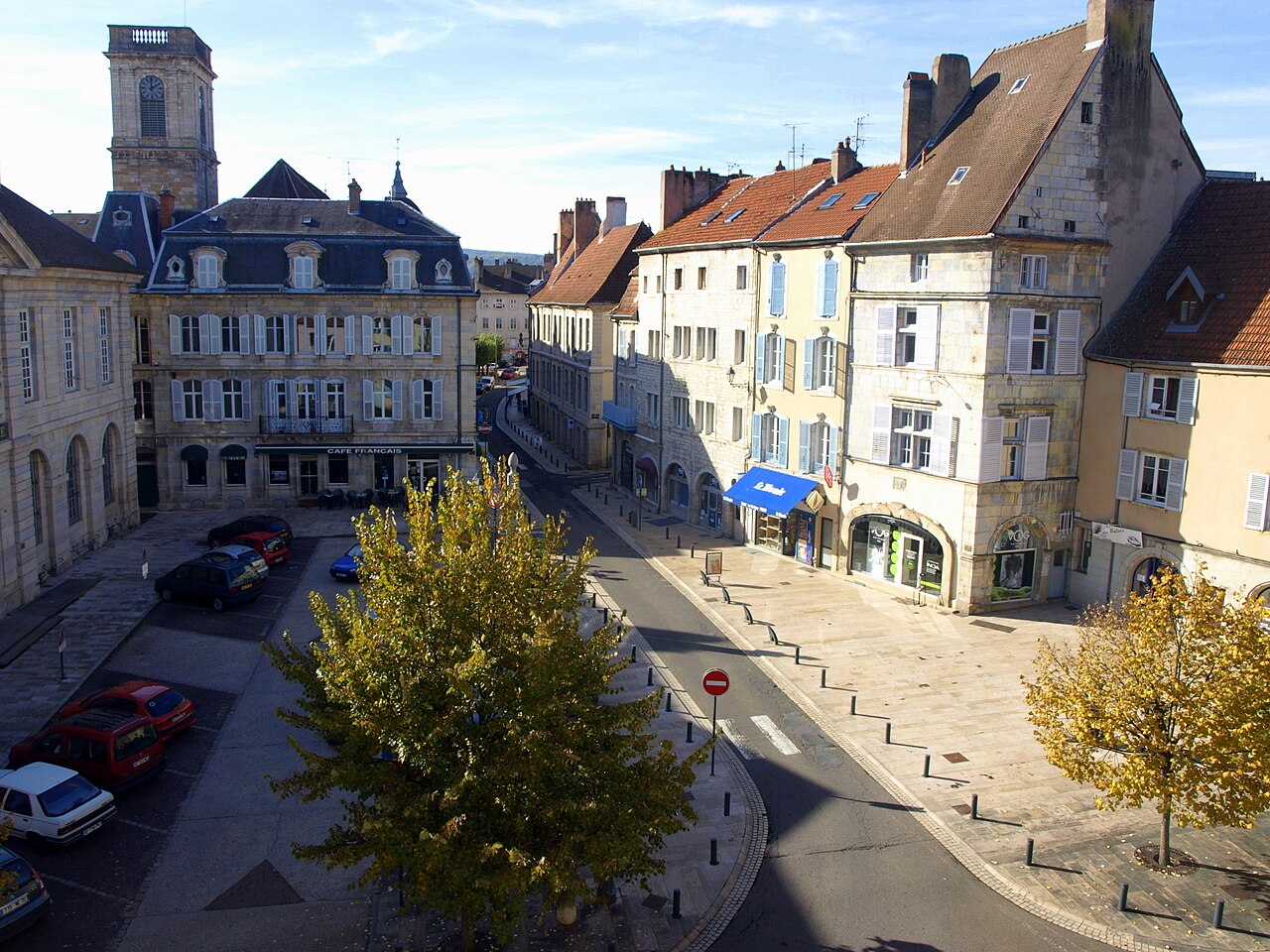


Geography and economy
The landscape combines upland plateaus, forested slopes and river valleys. The Jura provides a cool, highland climate in places and is the source of many small rivers. Agriculture, dairy farming and forestry have long been economic mainstays; the region is particularly famous for Comté cheese and other dairy products. Precision industries, notably watch- and clockmaking around Besançon and nearby Swiss border areas, and light manufacturing also play important roles.
History and political status
Historically the territory was known as the Free County of Burgundy and was for centuries contested among local lords, the Holy Roman Empire and Habsburg Spain before being absorbed into the Kingdom of France in the 17th century. In modern administration Franche-Comté existed as a distinct French region until territorial reform in 2016, when it was merged with Burgundy to form Bourgogne-Franche-Comté. For information on its former administrative status see regional overview and details of the contemporary region at Bourgogne-Franche-Comté.
Culture and identity
The region preserves a mix of Franco-Provençal and Burgundian cultural influences. Local cuisine emphasizes cheeses (most famously Comté), cured meats and rustic preparations. Besançon is noted for heritage architecture, citadels and museums tied to horology and military history, while rural festivals maintain folk traditions and dialects.
Administrative divisions
- Doubs
- Jura
- Haute-Saône
- Territoire de Belfort
Population in the early 21st century was on the order of around one million inhabitants, concentrated in urban centers such as Besançon and Belfort, with a dispersed rural population elsewhere.
Notable facts and further reading
Besançon remains the historic capital and cultural hub; see the city page at Besançon. The region shares a long, permeable border with Switzerland (border region), which has influenced trade and industry. Administrative and statistical resources, including department-level details, can be consulted via departmental information. These links provide entry points for maps, heritage sites and practical travel or research guidance.
Related articles
Author
AlegsaOnline.com Franche-Comté: history, geography and cultural identity Leandro Alegsa
URL: https://en.alegsaonline.com/art/36023