
Ferdinand II of Aragon (Ferdinand the Catholic)
King of Aragon (1479–1516) and, through marriage to Isabella, co-ruler of Castile. His reign helped centralize royal authority in the Iberian Peninsula and set Spain on a path to wider European and overseas influence.
Ferdinand II (1452–1516), commonly called Ferdinand the Catholic, was a late 15th- and early 16th-century monarch whose rule reshaped the politics of the Iberian Peninsula. He became King of Aragon and Count of Barcelona in 1479 and, by marriage to Isabella of Castile, presided with her over a dynastic partnership that brought the crowns of Aragon and Castile into close alignment. His Spanish name is often given as Fernando.
Image gallery
10 Images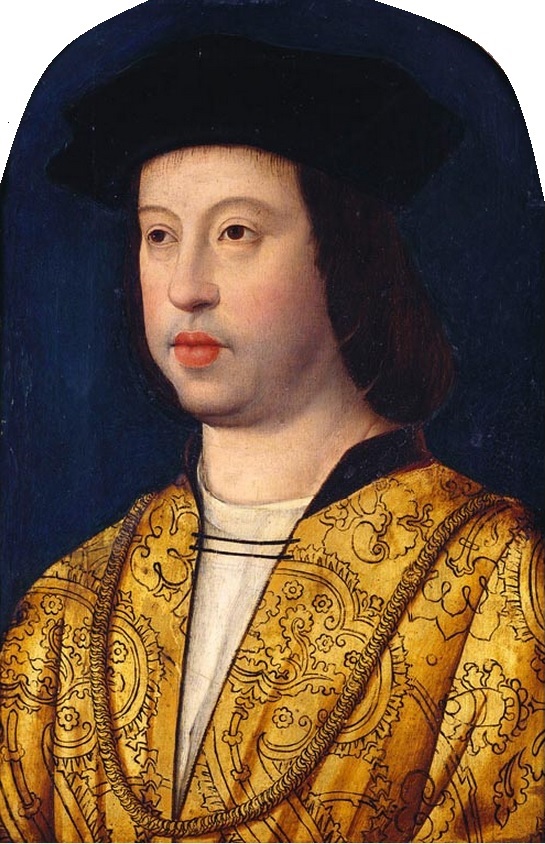


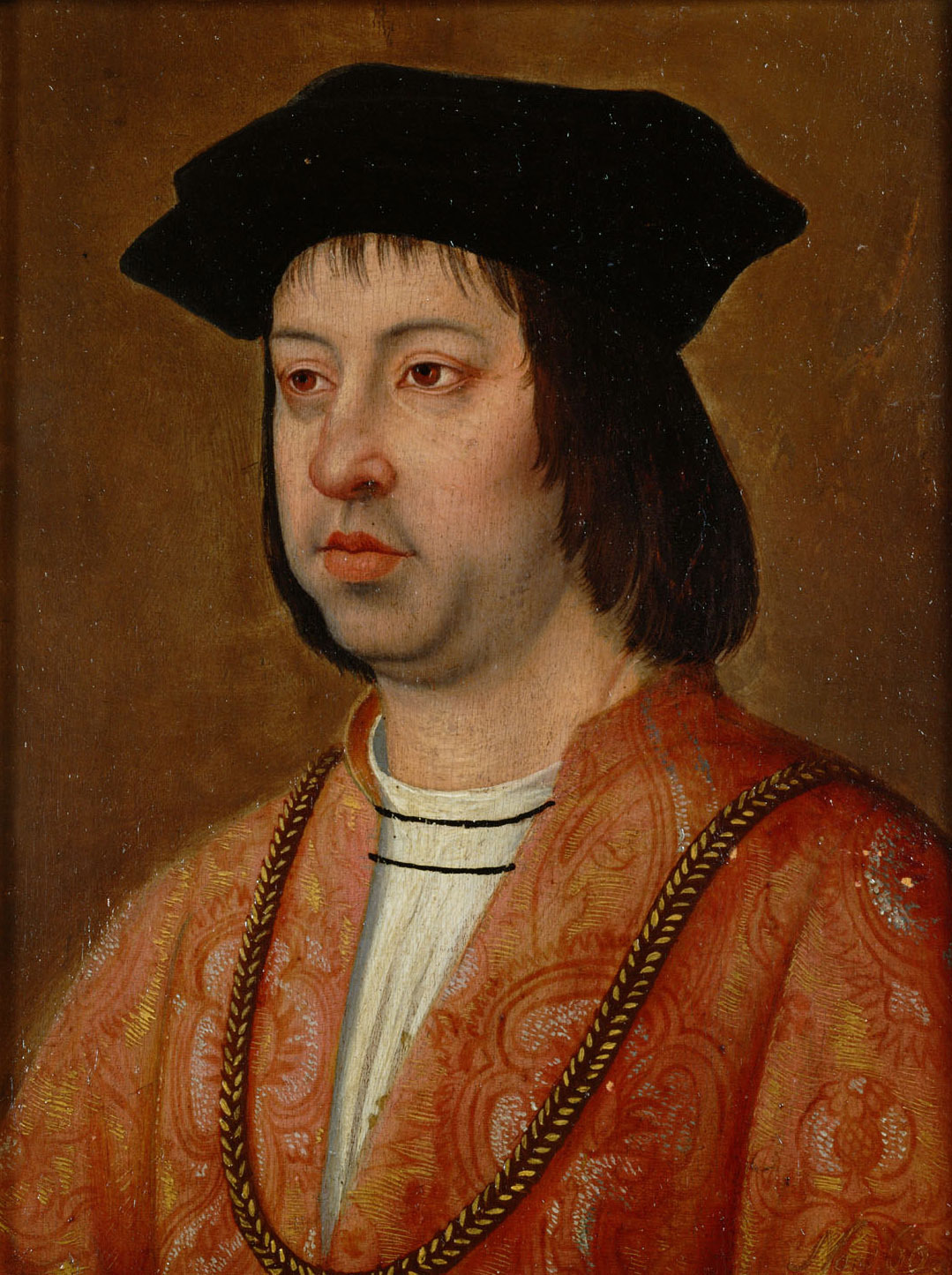


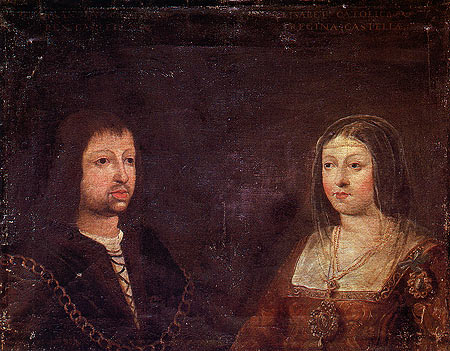
Principal titles and domains
Ferdinand's rule extended beyond the peninsular core. In addition to Aragon and Castile, his authority included Mediterranean possessions and later Italian holdings. Notable domains and claims associated with his reign include:
- Valencia and other Aragonese Mediterranean territories
- Sicily and Sardinia, long part of the Crown of Aragon
- Conquest and rule over parts of Naples in Italy
- Later dynastic involvement in Navarre and influence across the Iberian Peninsula.
Statecraft, religion, and expansion
Ferdinand worked to strengthen royal institutions, reduce the independence of powerful nobles, and coordinate administration across diverse realms. He and Isabella promoted religious uniformity through policies that had lasting consequences for Jews and Muslims in their territories. Their joint rule also supported maritime ventures that opened transatlantic contact and helped lay the groundwork for what contemporaries soon called Spain as an emergent European power.
Historical significance and legacy
Historically Ferdinand is remembered for unifying crowns by marriage and inheritance and for pursuing a pragmatic mix of diplomacy, warfare, and legal reform to increase centralized authority. His reign prepared the state apparatus that would allow Spain to project influence overseas and in Italy, contributing to its rise as a great power. At the same time, his policies reshaped the religious and social fabric of his realms and set precedents for royal governance across Europe.
For further thematic overviews and primary-source collections, see standard histories of late medieval Spain and specialized studies on royal administration, the Reconquista's final phase, and early modern European diplomacy. Name variants and regional titles are discussed in more detailed bibliographies and reference works.
Questions and answers
Q: Who was Ferdinand II of Aragon?
A: Ferdinand II of Aragon was a king who ruled over Aragon, Castile, Sicily, Naples, Valencia, Sardinia, and Navarre.
Q: What was Ferdinand II's nickname?
A: Ferdinand II was also known as "Ferdinand II the Catholic."
Q: When was Ferdinand II born?
A: Ferdinand II was born on March 10, 1452.
Q: How did Ferdinand II's marriage contribute to Spain's rise as a great power?
A: Ferdinand II's marriage to Isabella of Castile united most of the Iberian Peninsula as Spain, laying the foundation for Spain's move to become a great power.
Q: Which territories did Ferdinand II rule over as king?
A: Ferdinand II ruled over Aragon, Castile, Sicily, Naples, Valencia, Sardinia, and Navarre as king.
Q: When did Ferdinand II pass away?
A: Ferdinand II passed away on January 23, 1516.
Q: What was Ferdinand II's role in the history of Spain?
A: Ferdinand II played a key role in the history of Spain, uniting various territories and laying the foundation for Spain to become a great power.
Related articles
Author
AlegsaOnline.com Ferdinand II of Aragon (Ferdinand the Catholic) Leandro Alegsa
URL: https://en.alegsaonline.com/art/34003