
Diego Velázquez
Diego Velázquez (bapt. 6 June 1599–6 August 1660) was Spain’s leading Baroque court painter, renowned for naturalistic portraits, complex compositions, and the masterpiece Las Meninas.
Overview
Diego Velázquez (baptized 6 June 1599 – 6 August 1660) is widely regarded as the principal Spanish painter of the 17th century. He served as the chief painter in the royal household and produced portraits, historical and mythological scenes, and genre works that blend realism with sophisticated composition. He became closely associated with the court of King Philip IV, which shaped much of his professional life.
Image gallery
10 Images
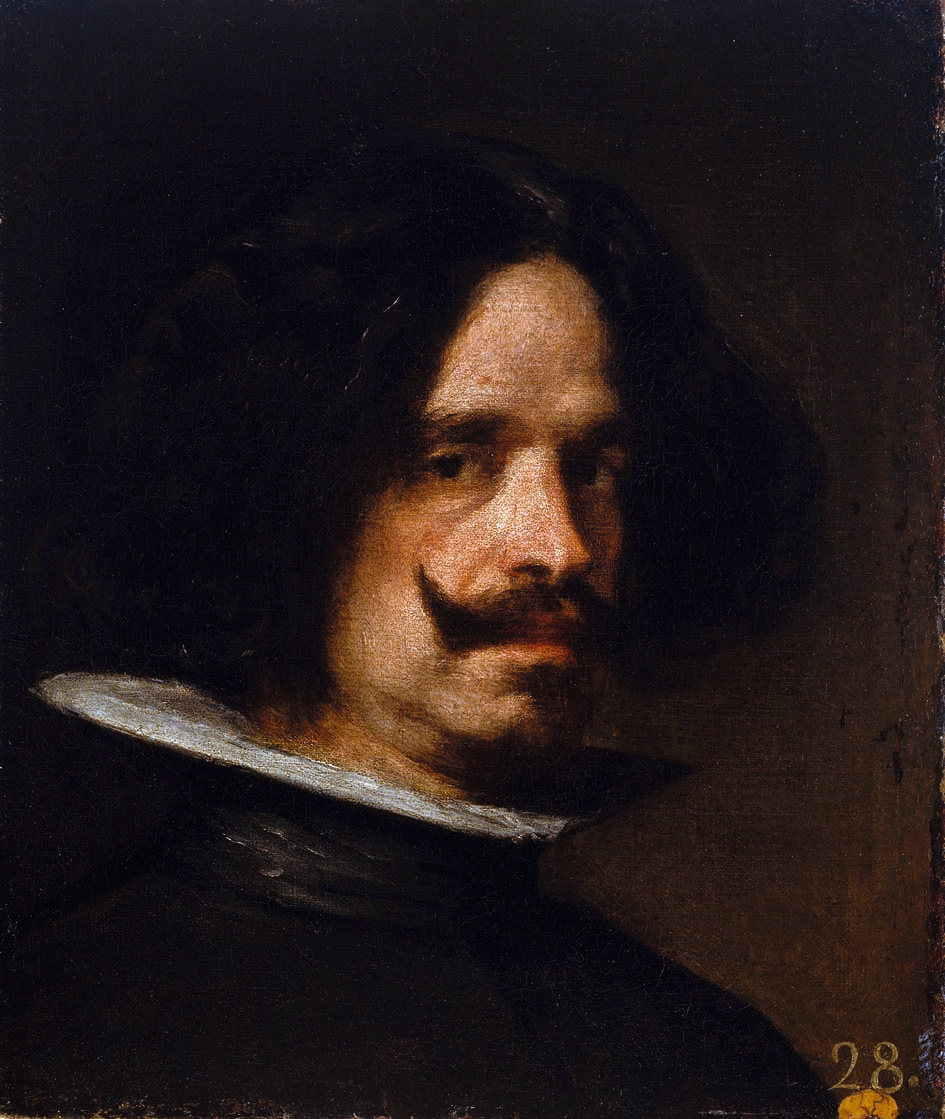


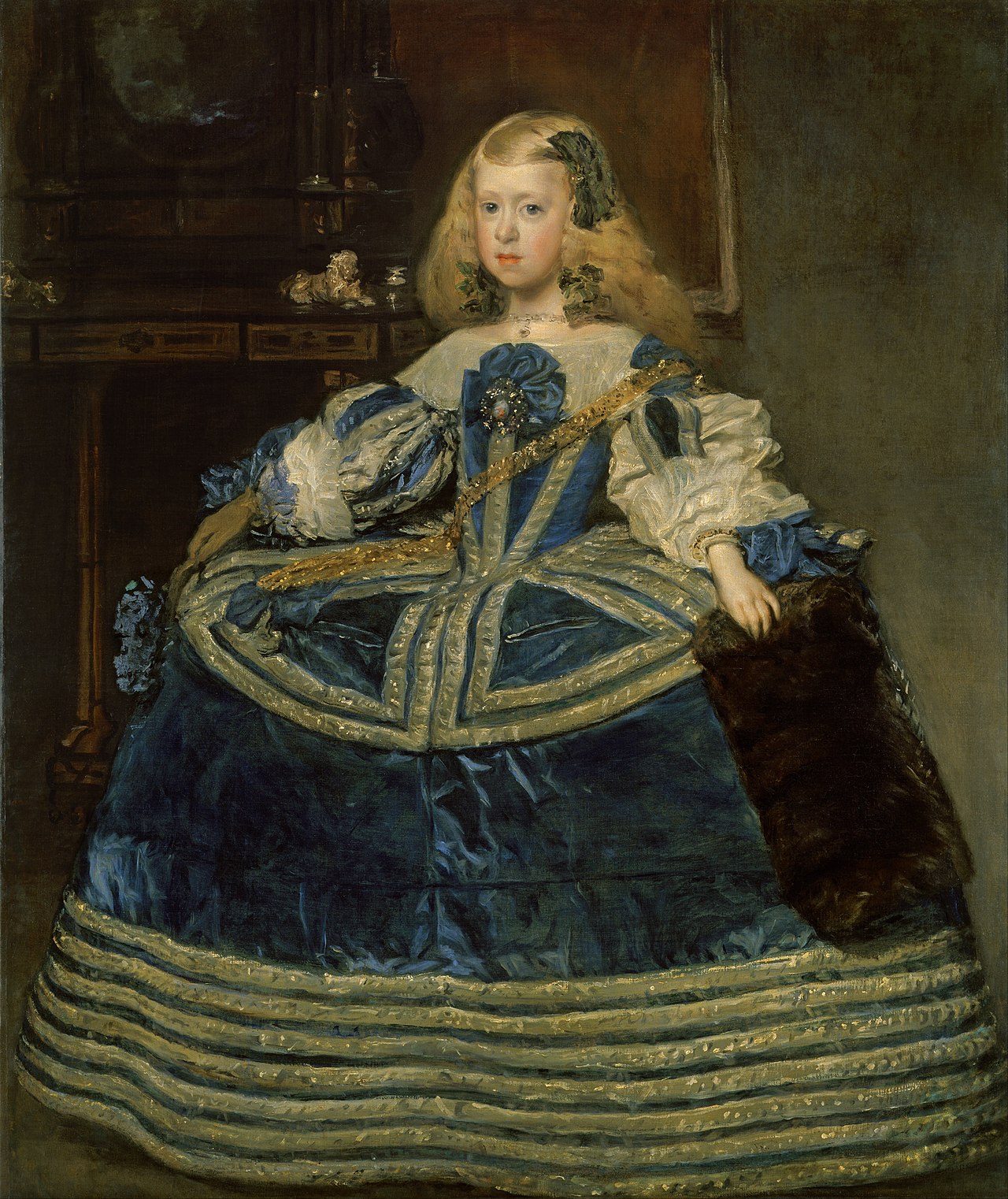

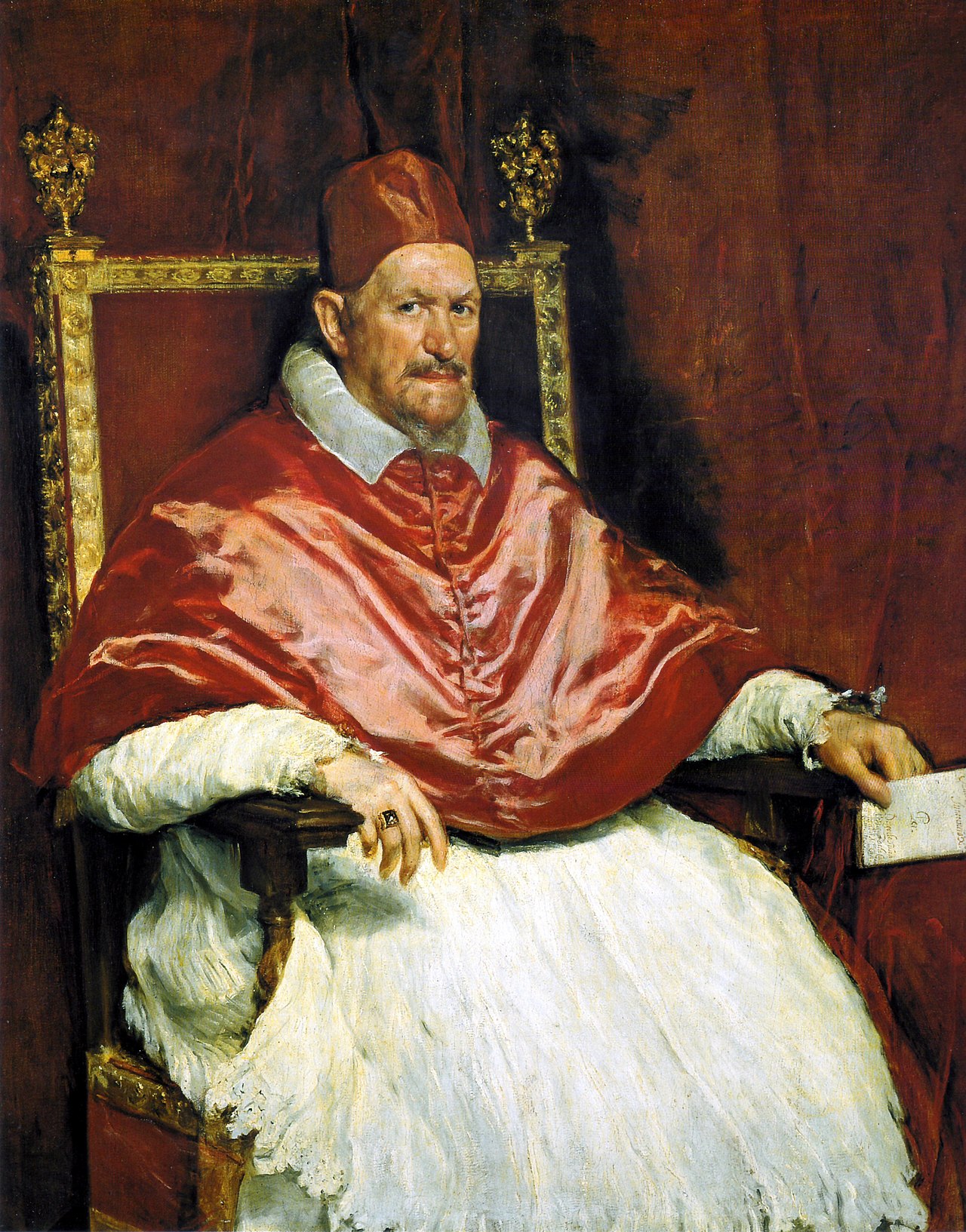

Early life and training
Born and raised in Seville, Velázquez trained in the local workshop tradition before entering the studio of Francisco Pacheco, a painter and theorist. While still young he established his reputation in Andalusia and married Pacheco's daughter, a connection that helped secure introductions to patrons and to the royal circle (marriage and family). He later made important journeys to Italy to study the work of Renaissance and Venetian masters.
Career at court and artistic development
Named a court painter early in his career, Velázquez held responsibilities that ranged from official portraiture to directing artistic commissions. His work for the monarchy emphasized psychological depth and a careful observation of light and surface. A recurring theme was the dignity of individual sitters—royal, clerical, or common—portrayed with restraint rather than flamboyance.
Style, technique, and subjects
Velázquez is known for a direct, economical brushwork that became more liberated in his later years, producing an effect of immediacy and tactile presence. He combined traditional composition with a naturalistic handling of color and space. His output includes formal portraits, court scenes, religious and mythological paintings, and intimate genre pieces that capture everyday life.
Notable works and legacy
Among his best-known creations are portraits of the royal family and court, as well as large-scale historical paintings. Examples include:
- Las Meninas, often celebrated for its complex viewpoint and interplay between viewer and subject.
- Court portraits of King Philip IV and other members of the royal household.
- Historical and mythological scenes such as The Surrender of Breda and works produced after his travels to Italy.
Importance and influence
Velázquez's approach to portraiture and his painterly technique influenced generations of artists across Europe, from contemporaries to 19th- and 20th-century painters who admired his handling of light and form. His paintings are studied both for their artistic innovation and for the insight they offer into court life and visual perception.
For further reading about his life, workshop practices, and major paintings, consult specialist catalogues and museum collections that hold his works or maintain scholarly resources (biographical surveys, court records and archives). These sources trace his development from a provincial apprentice to the foremost painter of the Spanish Golden Age.
Related articles
Author
AlegsaOnline.com Diego Velázquez Leandro Alegsa
URL: https://en.alegsaonline.com/art/27275