
Hammadid dynasty
Medieval Berber dynasty (c.1008–1152) that governed parts of northeastern Algeria, founded the fortified Qal'a Beni Hammad and later developed the port city of Béjaïa before conquest by the Almohads.
The Hammadid dynasty was a medieval Berber polity that controlled parts of what is now northeastern Algeria from roughly the early 11th century until the mid-12th century. Originating as a branch of the Sanhaja-Berber elites associated with the Zirid sphere of influence, the Hammadids established an independent regional state that left a notable imprint on architecture, urban life, and Mediterranean trade in its era. They are often referenced in studies of Maghrebi history for their fortified capital, later for their maritime city, and for their role in the shifting balance among North African dynasties.
Image gallery
4 Images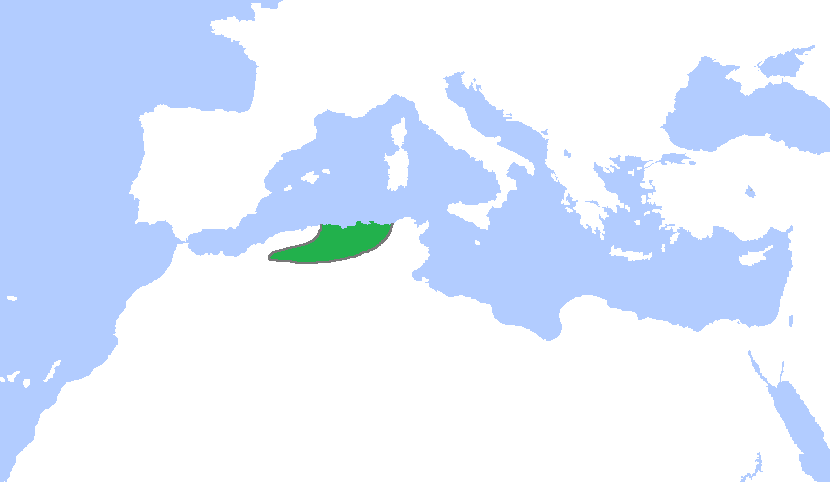



Origins and state formation
The dynasty emerged when local Berber leaders consolidated authority in the central Maghreb countryside and mountain strongholds. Named after Hammad ibn Buluggin, its early rulers created a court and administrative apparatus that combined Berber military traditions with established Islamic governance practices. Over the 11th century the Hammadids extended control over inland plains and mountain passes while negotiating relations with neighboring powers and Mediterranean trading partners.
Capitals and urban development
The Hammadids founded the fortified hilltop capital known as Qal'a Beni Hammad, a sprawling complex of palaces, mosques, and defensive works. Today its ruins are recognized as a UNESCO World Heritage Site for their well-preserved layout and evidence of medieval Maghrebi architecture. In the late 11th century the dynasty shifted its principal seat to the coastal city of Béjaïa, which developed into a bustling port and cultural center, connecting the interior lands with maritime commerce.
Economy, culture, and society
Their economy combined agriculture, pastoralism, and control of trade routes with growing participation in Mediterranean commerce from Béjaïa. The Hammadids patronized mosque-building, crafts, and urban amenities; their courts minted coinage and attracted scholars and artisans. Distinctive features include fortified palace complexes, evidence of landscaped gardens, and interactions between Arab-Islamic and Berber cultural elements.
Relations, decline, and legacy
The Hammadids navigated a complex regional landscape of rival dynasties and religious movements. In the mid-12th century they were overcome by the rising Almohad movement, which consolidated much of the Maghreb under a new polity. Although the dynasty itself ceased to rule, its urban foundations, architectural remains at Qal'a Beni Hammad, and the maritime role of Béjaïa continued to influence subsequent North African history.
- Key traits: Berber leadership, fortified hill capital, coastal port development.
- Notable sites: Qal'a Beni Hammad (UNESCO) and the city of Béjaïa.
- End: Conquest by the Almohads (Almohads).
For further contextual reading on Berber polities and medieval North Africa see general surveys of Maghrebi history and archaeological reports on the Hammadid capitals (Berber studies and regional histories).
Related articles
Author
AlegsaOnline.com Hammadid dynasty Leandro Alegsa
URL: https://en.alegsaonline.com/art/42074