
Oran: Algerian Coastal City, Port, and Cultural Center
Oran is a major port city on Algeria’s northwest coast, known for its commerce, diverse heritage, Mediterranean climate, and cultural contributions such as the birth of raï music.
Overview
Oran (Arabic name Wahrān; Berber name Wahren) is a coastal city in north‑western Algeria that serves as the capital of Oran Province and as an administrative, commercial and cultural hub. It is the country’s second largest city after Algiers. The city had about 853,000 inhabitants in 2010 and forms a densely populated metropolitan area along the Mediterranean shoreline.
Image gallery
10 Images





Geography and climate
Oran occupies a coastal plain and several bluffs and peninsulas that project into the Mediterranean Sea, giving it a large natural harbour and a maritime character. Its climate is Mediterranean—mild, wet winters and hot, dry summers—supporting agriculture in the surrounding countryside and enabling year‑round port activity.
History and development
Founded in the early medieval period (traditionally dated around 903), Oran has experienced layers of influence from Berber, Arab, Ottoman, Spanish and European presences. Over centuries the city developed as both a defensive strongpoint and a trading centre on the western Mediterranean. Colonial and modern transformations expanded its infrastructure, population and economic role; after Algerian independence the city continued as a leading regional capital.
Economy and transport
Oran functions as a major regional port handling goods, fishing and passenger traffic with links across the Mediterranean. Its economy combines maritime trade, light industry, services, fishing and agriculture from nearby plains. Road and rail corridors connect the city to inland Algeria, and the port and associated logistics facilities contribute substantially to local employment and commerce.
Culture and society
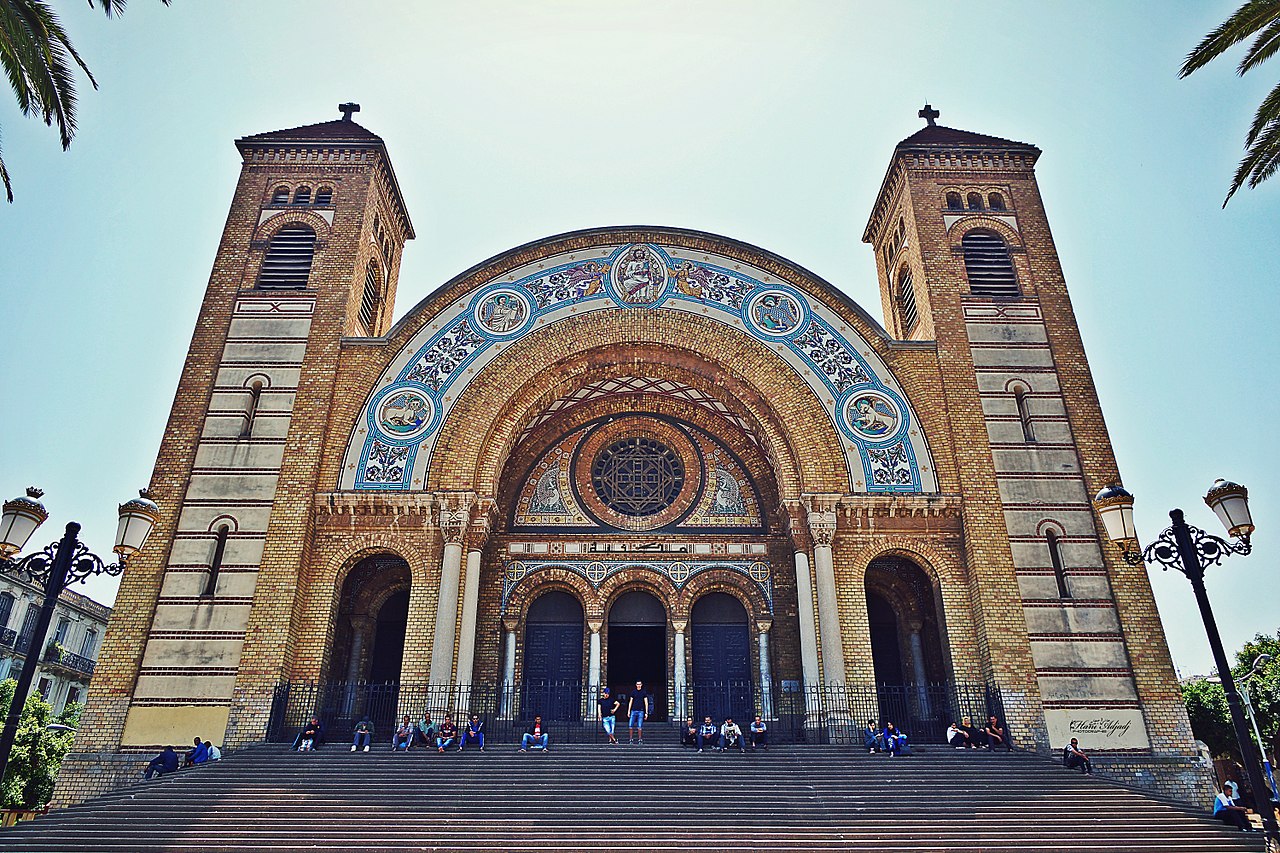
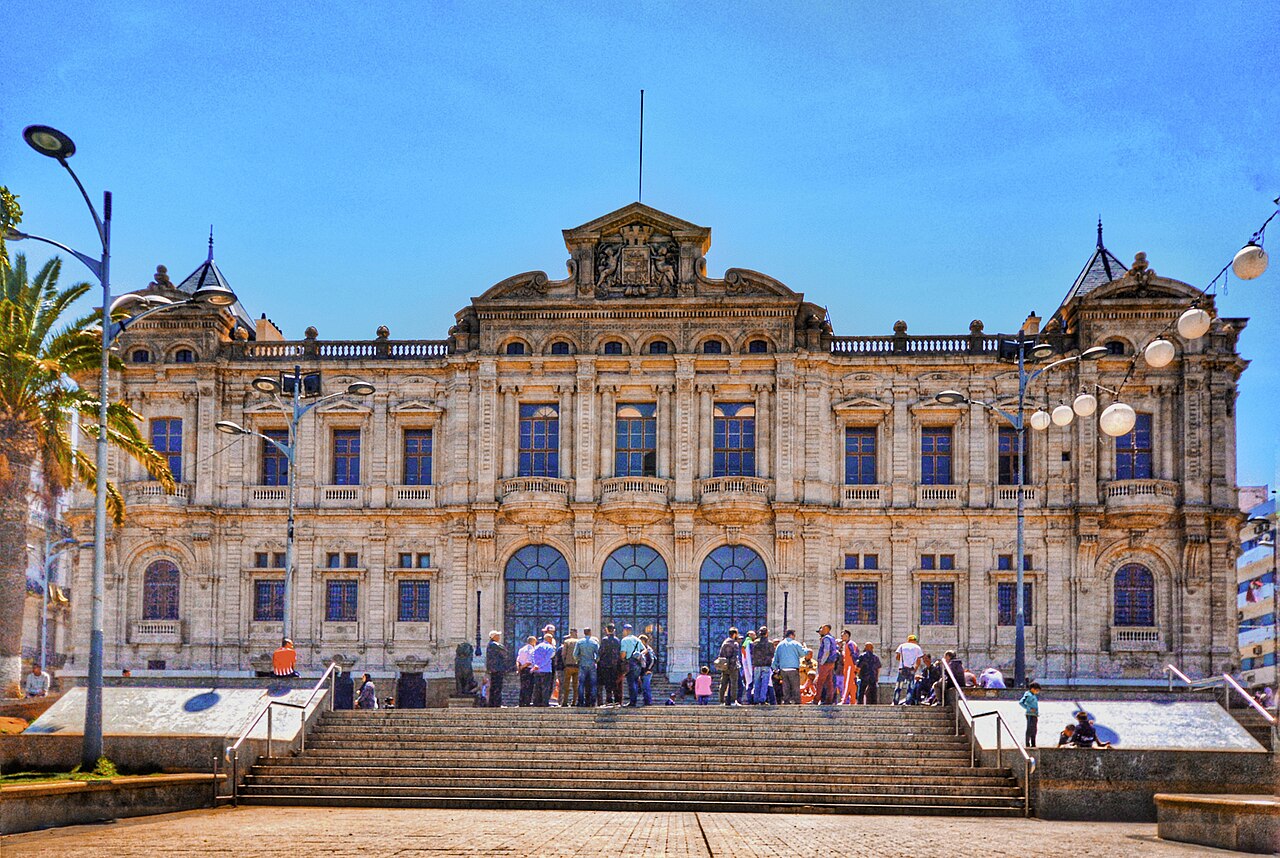
The city is noted for its lively cultural life and cosmopolitan heritage. Oran’s architecture and urban fabric show a mix of North African, Andalusian, Ottoman and French colonial influences. It is internationally famous as one of the birthplaces of raï, a popular form of modern North African music that emerged in the 20th century. Educational institutions, theatres and festivals sustain an active arts scene.
Notable features and visitor interests
- Historic fortifications and citadels overlooking the sea, reflecting the city’s strategic past.
- Busy waterfront districts, traditional markets and seaside promenades.
- Religious and civic architecture that illustrates the city’s layered history.
- Local cuisine blending Mediterranean and Maghreb ingredients, and vibrant musical traditions.
As a major Algerian port and cultural capital, Oran plays an important role in the country's economy and identity. Visitors and students of Mediterranean urban history find in Oran a compact example of how trade, strategic location and diverse cultural influences shape a modern North African city.
Related articles
Author
AlegsaOnline.com Oran: Algerian Coastal City, Port, and Cultural Center Leandro Alegsa
URL: https://en.alegsaonline.com/art/72924