
Haitian Revolution (1791–1804): Slave uprising and the birth of Haiti
The Haitian Revolution (1791–1804) was a successful anti-slavery and anti-colonial revolt in Saint-Domingue that abolished slavery and established Haiti as an independent republic led by formerly enslaved people.
Overview
The Haitian Revolution (1791–1804) was a complex, multi-year struggle in the French colony of Saint-Domingue that ended slavery on the island and produced the independent state of Haiti. It is widely regarded as the largest and most successful slave revolt in the Atlantic world and resulted in a new state governed by people of African descent. The revolution unfolded during the era of the French Revolution and involved enslaved people, free people of color, white planters, European armies, and changing alliances.
Image gallery
10 Images


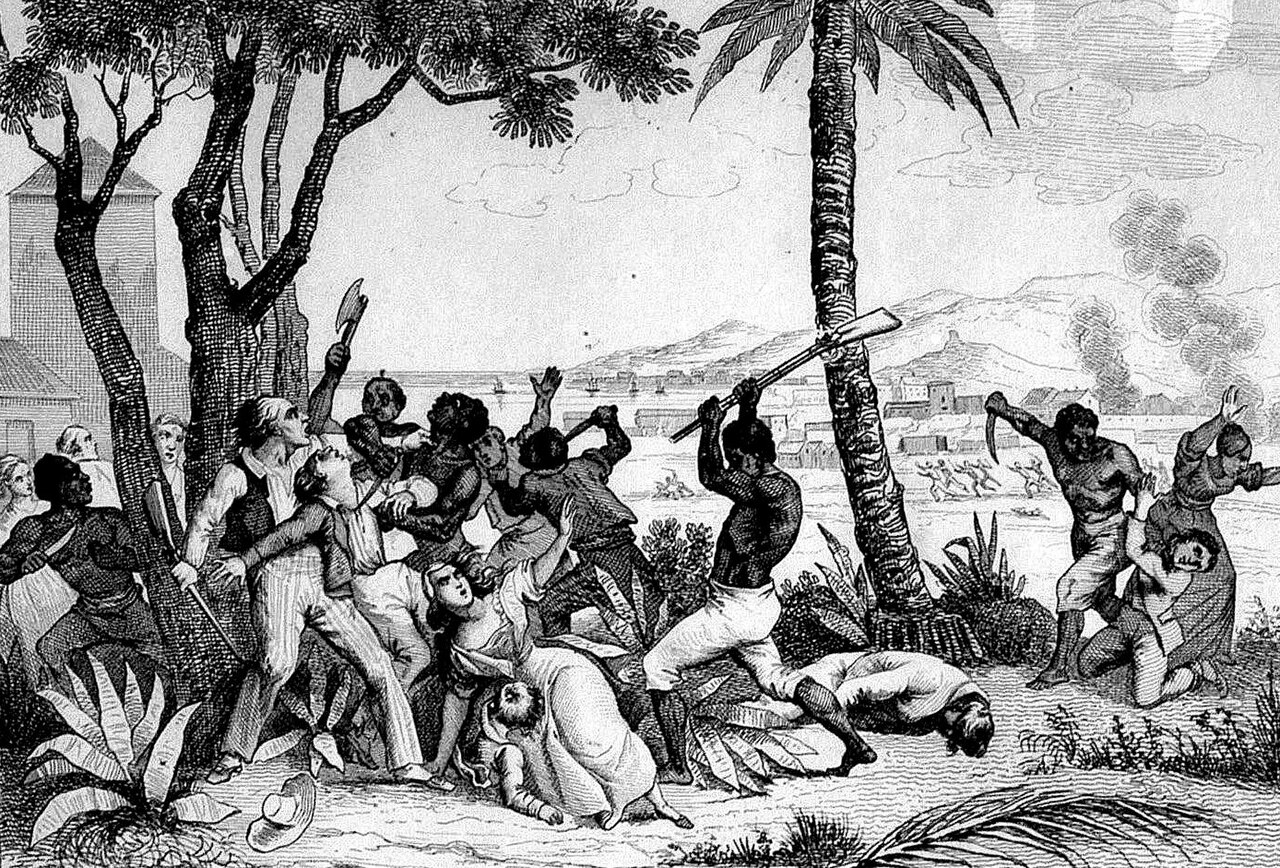


Origins and causes
The revolt grew out of the violent social and economic structure of Saint-Domingue, where a plantation economy concentrated great wealth in the hands of a white planter class and relied on enslaved labor. Racial hierarchies and legal inequalities left large numbers of enslaved Africans and free people of color with few rights. Ideas circulating from the French Revolution—about liberty, equality, and citizenship—combined with local grievances and the spiritual and social networks of the enslaved population to spark organized resistance. A symbolic early moment is the 1791 uprising in the northern province following meetings and ceremonies that some historians link to Vodou practice.
Key leaders, phases, and turning points
- Notable leaders included former slaves and free men of color such as Toussaint L'Ouverture, Jean-Jacques Dessalines, Dutty Boukman, and Cécile Fatiman. Each played different roles at different stages.
- Early insurrections in 1791 escalated into widespread rebellion; by the mid-1790s the conflict involved European powers and shifting alliances between British, Spanish, and French forces.
- Under Toussaint L'Ouverture (late 1790s–1802) much of the colony achieved relative stability and legal reforms, though political control remained contested.
- France's attempts to reassert control under Napoleon—including an expedition in 1802—failed to restore slavery. After renewed fighting, Jean-Jacques Dessalines declared independence in 1804 and abolished slavery formally.
Outcomes and significance
The revolution led to the abolition of slavery on the island (Haiti) and the establishment of the first modern state in which former enslaved people held sovereign power (a republic ruled by Africans). It was among the earliest successful anti-colonial movements in the Americas, following the independence of the United States and preceding many later independence movements. Some historians compare its scale to earlier long rebellions, like the Zanj rebellion in medieval Iraq, though contexts differ greatly.
Legacy and broader effects
The Haitian Revolution had far-reaching diplomatic, economic, and ideological consequences. It challenged European assumptions about slavery and colonial rule, influenced emancipation debates across the Atlantic, and complicated relations with slaveholding nations. France's inability to re-establish control in Saint-Domingue affected imperial ambitions in the Americas and is often cited as a factor in Napoleon's decision-making about continental possessions. The revolution also led to international isolation and economic hardships for the new state, as many powers refused recognition or imposed punitive conditions.
Notable facts and distinctions
- Haiti emerged as the second independent nation in the Americas after the United States, and is often described as the first modern nation born from a successful slave rebellion (second nation in the Americas).
- The conflict combined military, political, and social transformation: emancipation, land redistribution, and the rise of new leaders from formerly enslaved backgrounds reshaped the island.
- The revolution remains a crucial reference point in discussions of slavery, colonialism, and the global struggle for human rights and self-determination.
For further reading on specific episodes, personalities, and primary documents, consult specialized histories and archives that explore the revolution's internal debates, regional variations, and long-term consequences for Haiti and the Atlantic world.
Related articles
Author
AlegsaOnline.com Haitian Revolution (1791–1804): Slave uprising and the birth of Haiti Leandro Alegsa
URL: https://en.alegsaonline.com/art/41815