
Kingdom of León
Medieval Christian kingdom in northwest Iberia (est. 910). Influential in the Reconquista, legal tradition, and cultural life; later fragmented as Portugal emerged and was joined to Castile in 1230.
The Kingdom of León was a medieval Christian realm in the northwest of the Iberian Peninsula. It emerged in 910 when the court of the old Asturian polity moved to the city of León, creating a distinct royal domain centered on the Duero valley. Over the next three centuries León became one of the principal Christian powers on the peninsula.
Image gallery
9 Images

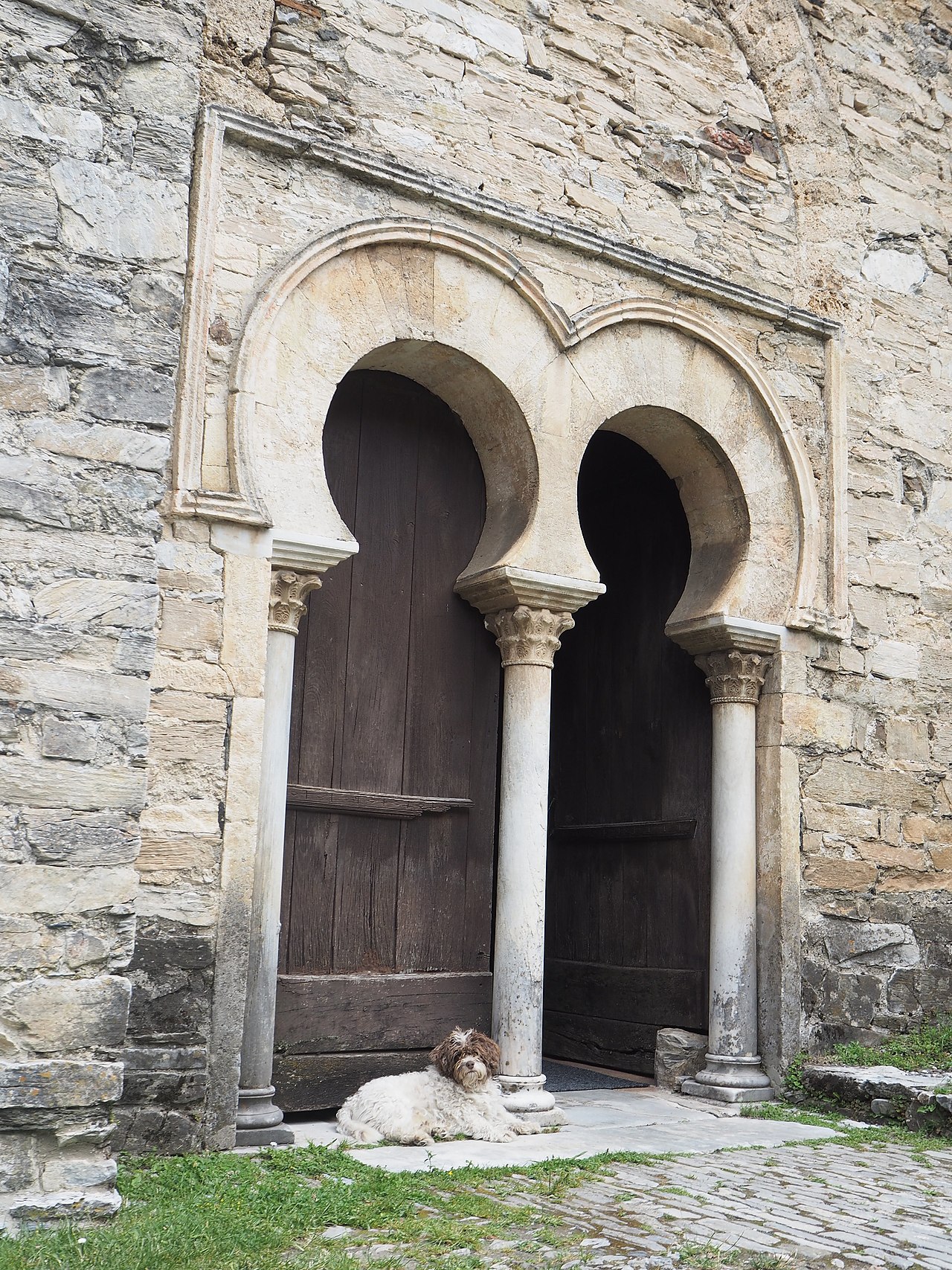


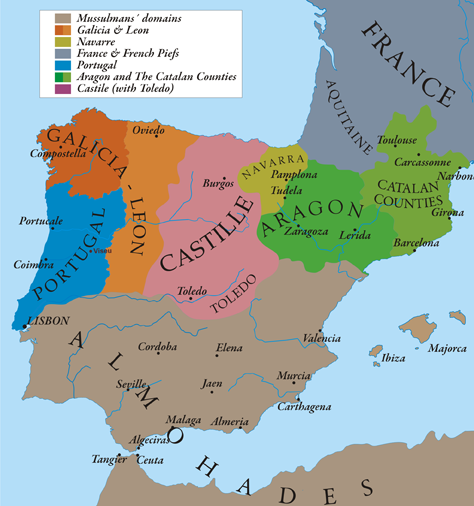

Origins and political history
León grew out of the Kingdom of Asturias and consolidated as kings expanded southward during the centuries of the Reconquista. Its rulers founded monasteries, reorganized frontier counties and competed with neighboring Christian states. In the early 12th century the County of Portugal separated and evolved into the Kingdom of Portugal (formally recognized in the 12th century). In 1230 the crowns of León and Castile were united under Ferdinand III, producing a long-lasting dynastic union with the Kingdom of Castile.
Institutions, law and culture
León developed notable civic and legal traditions. The Cortes of León of 1188—convened by Alfonso IX and often cited as an early example of a parliamentary assembly—brought together nobles, clergy and representatives of towns. Municipal charters (fueros) spread across the region, shaping local government. The city of León and other urban centers were important religious and cultural hubs, with cathedrals and scriptoria that supported liturgy, learning and art.
Territory, language and economy
The kingdom once encompassed territories that now lie in the Spanish provinces of León, Zamora and Salamanca and extended into parts of Galicia and the lands that became Portugal. The area used varieties of the Astur-Leonese language (commonly called Leonese) alongside Latin and, later, Castilian. Economically the realm combined agriculture, livestock (transhumant sheep routes), monastic estates and benefits from pilgrimage traffic along routes of the Way of St James.
Notable features and legacy
- Role in the Reconquista as a launching point for campaigns southward.
- Early parliamentary practice and the spread of municipal fueros.
- Cultural landmarks such as the León cathedral and monastic centers.
Although the medieval kingdom ceased to exist as an independent power after dynastic unions and territorial changes, its name, historic institutions and language survive in regional identity and in the modern province of León. The kingdom is therefore important for understanding the political, legal and cultural formation of medieval Iberia and the later history of Spain and Portugal.
Related articles
Author
AlegsaOnline.com Kingdom of León Leandro Alegsa
URL: https://en.alegsaonline.com/art/53602