
Miguel de Cervantes Saavedra
Spanish Golden Age writer best known for Don Quixote; influential novelist, playwright and poet whose work helped define the modern novel.
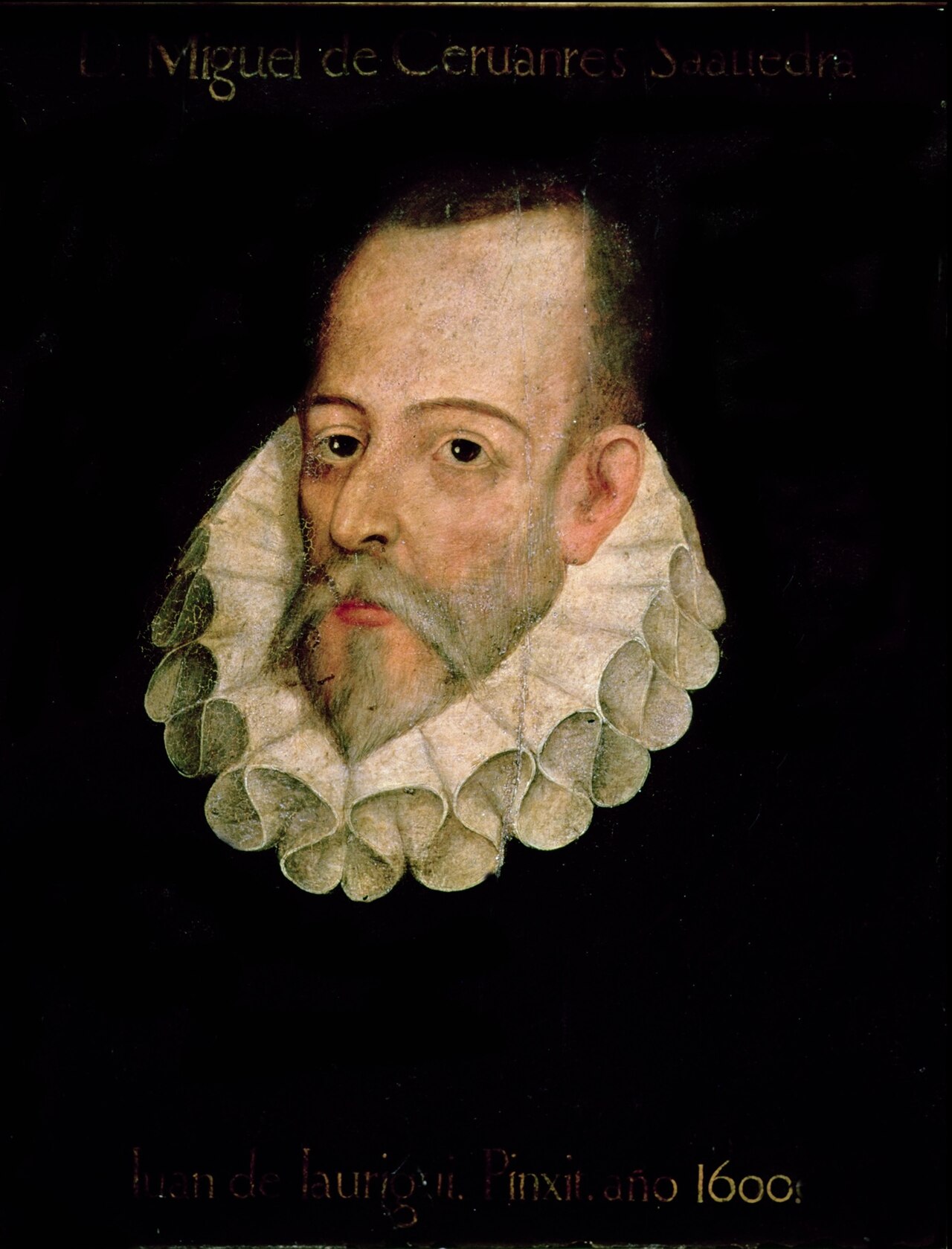
Miguel de Cervantes Saavedra (29 September 1547 – 23 April 1616) was a Spanish writer whose work during the late 16th and early 17th centuries had lasting influence on world literature. He is best known for Don Quixote, a two‑part work often described as the first modern novel. Cervantes wrote in several genres — fiction, drama and poetry — and his writing mixes comedy, social observation and pointed satire.
Image gallery
8 Images


Life and career
Cervantes was born in Alcalá de Henares and spent much of his adult life in Madrid and other parts of Spain. He saw military service and fought at the Battle of Lepanto (1571), an engagement that left him with a permanent wound to his left hand and the popular epithet El manco de Lepanto. Later he was captured by Barbary corsairs and held in Algiers for several years before being ransomed and returning to Spain. In civilian life he worked in government posts such as a tax collector and experienced recurring financial and legal difficulties. For a concise overview see a biographical summary.
Major works
- Don Quixote — published in two parts (1605 and 1615); combines adventure, parody and philosophical reflection and introduced narrative techniques later central to the novel form. See Don Quixote for details.
- Novelas ejemplares (Exemplary Novels) — a short‑story collection that illustrates moral and social themes.
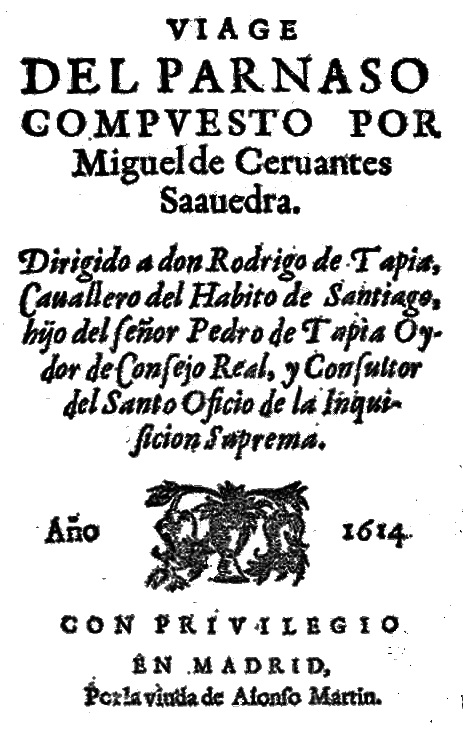
- Drama and poetry — Cervantes wrote plays and poems that participated in the literary culture of the Spanish Golden Age; further lists are available at collections of his works.
Style and themes
Cervantes is noted for his ironic tone, self‑reflexive narration and skillful characterization. His work juxtaposes idealism and realism — the delusions of Don Quixote versus the practicality of his companion Sancho Panza — to explore themes of identity, honor and social change. He employed satire to critique literary conventions and societal pretensions, which contributed to the novel’s reputation as both entertainment and subtle social commentary. For analysis of recurring motifs see critical commentary.
Legacy and influence
Don Quixote has been translated widely and remains a central text in literary studies; terms such as "quixotic" derive from its protagonist. Cervantes’ experiments with perspective, unreliable narration and blended genres helped shape the novel as a literary form. He is often celebrated as one of the greatest writers in the Spanish language and a major figure of the Spanish Golden Age.
Notable facts
Cervantes has been called "The Prince of Satire" in some traditions because of his mordant humor and social critique. His life — soldier, captive, civil servant and struggling author — colored his fiction and contributed to the enduring human depth of his characters. For accessible introductions and editions, consult the linked resources above.
Questions and answers
Q: Who was Miguel de Cervantes?
A: Miguel de Cervantes Saavedra was a Spanish writer.
Q: What is Miguel de Cervantes most famous book?
A: Miguel de Cervantes most famous book is Don Quijote de la Mancha.
Q: What is Don Quijote de la Mancha considered to be?
A: Don Quijote de la Mancha is considered to be the first modern novel.
Q: What title is sometimes given to Miguel de Cervantes?
A: Miguel de Cervantes is sometimes called "The Prince of Satire".
Q: How many countries has Don Quijote de la Mancha been published in?
A: Don Quijote de la Mancha has been published in 65 countries.
Q: Why is Miguel de Cervantes considered to be the first novelist?
A: Miguel de Cervantes is considered to be the first novelist because of his book Don Quijote de la Mancha.
Q: What is Miguel de Cervantes' work considered to be?
A: Miguel de Cervantes' work is considered among the most important in all of literature.
Related articles
Author
AlegsaOnline.com Miguel de Cervantes Saavedra Leandro Alegsa
URL: https://en.alegsaonline.com/art/64806
Sources
- bbc.co.uk : bbc.co.uk/news/magazine-36055236
- wikidata.org : wikidata.org/wiki/Q5682
- authority.bibsys.no : 90055928
- catalogo.bne.es : XX1718747
- catalogue.bnf.fr : cb118957747
- data.bnf.fr : (data)
- cantic.bnc.cat : a10430817
- d-nb.info : 11851993X
- isni.org : 0000 0001 2122 1919
- id.loc.gov : n79100233
- musicbrainz.org : c9224cbf-0b24-4bc7-809d-3c9cf0efb3b6
- id.ndl.go.jp : 00435606
- aleph.nkp.cz : jn19990001383
- nla.gov.au : 36587208
- data.nlg.gr : 277673