
Pope Alexander VI (Rodrigo Borgia) — Renaissance pope and controversial statesman
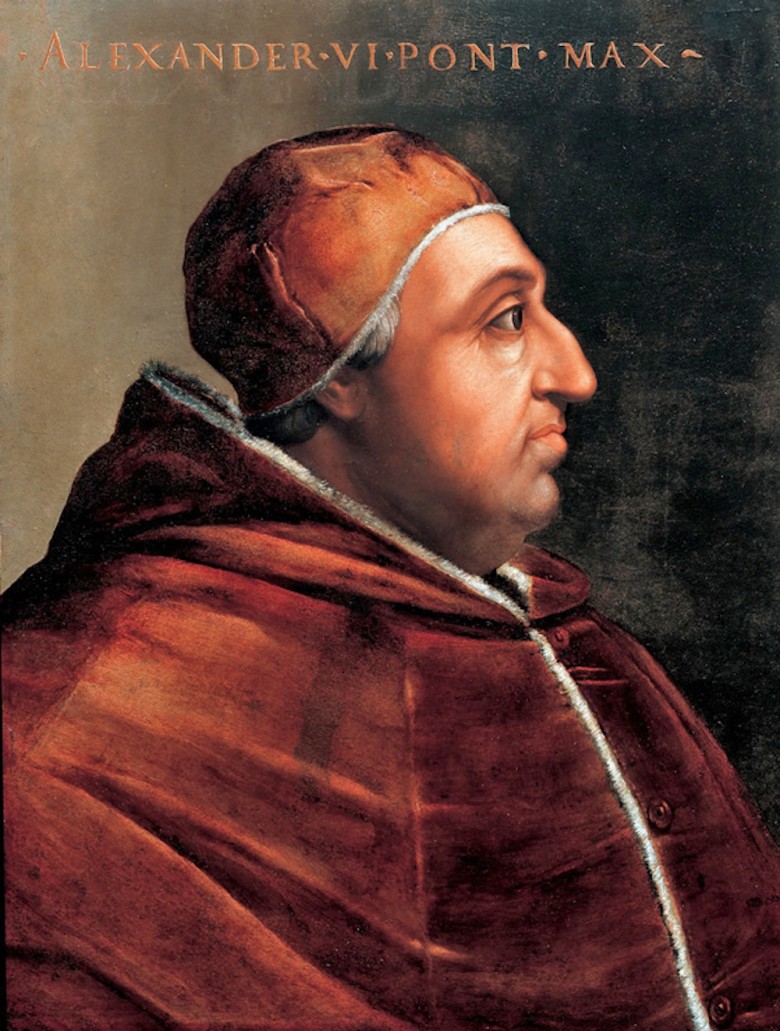
Pope from 1492 to 1503, Rodrigo Borgia (Alexander VI) was a Spanish cleric and Renaissance patron whose pontificate is known for political ambition, family advancement, and lasting impact on exploration and papal politics.
Overview
Born Rodrigo Lanzol y Borja (commonly rendered Borgia) in 1431, Alexander VI served as pope from 1492 until his death in 1503. A Spanish-born cardinal and longtime papal administrator, his pontificate coincided with the height of the Renaissance and the first years of European expansion overseas. Histories note both his energetic diplomacy and the scandals that overshadowed his reign.
Image gallery
10 Images






Administration and family
Before his election he held high office in the Roman Curia and drew on an extensive clerical career. As pope he used the tools of the papacy to strengthen his family position, a practice often described as nepotism. His son Cesare Borgia and daughter Lucrezia Borgia became prominent figures in Italian politics. Cesare received ecclesiastical titles early in life and later exchanged them for secular command.
- Notable family: Cesare Borgia
- Notable family: Lucrezia Borgia
Politics, exploration and papal acts
Alexander VI pursued an assertive diplomatic policy among the Italian states and the European monarchies. He issued papal bulls that affected overseas claims and the partition of newly discovered lands, influencing agreements between Spain and Portugal. Contemporary rulers negotiated with his court as with a major political power of late 15th-century Europe. For background on his diplomatic role see biographical summaries and treatments of papal diplomacy at the time (curial office).
Patronage and cultural impact
Like other Renaissance popes, Alexander VI was a patron of art, letters and architecture. His patronage supported artists, humanists and building projects in Rome and elsewhere, contributing to the cultural energy of the period even as political and personal ambitions shaped how resources were used.
Controversies and historical assessment
The pontificate is widely remembered for accusations of simony, moral laxity and excessive favoritism toward the Borgia family. Rumours and hostile accounts from rivals amplified these themes. Modern historians attempt to weigh contemporary testimony, administrative records and political context, noting that while corruption and family promotion were real, the pope was also an able politician whose actions had long-term effects—both contested and consequential—on the papacy and European geopolitics. For further discussion of differing views see studies of Renaissance popes and summaries of his legacy at reference overviews.
Author
AlegsaOnline.com Pope Alexander VI (Rodrigo Borgia) — Renaissance pope and controversial statesman Leandro Alegsa
URL: https://en.alegsaonline.com/art/128835