
Portuguese Empire: maritime trading-post empire of the Age of Discovery
A concise overview of the Portuguese Empire: its maritime origins in the Age of Discovery, territorial reach across Africa, Asia and the Americas, institutional features, major events and lasting legacy.
Overview
The Portuguese Empire was a maritime, commercial and colonial network established by Portugal during the Age of Discovery. Beginning in the early 15th century, it linked Europe to Atlantic and Indian Ocean circuits and extended Portuguese influence across South America, Africa, India and Southeast Asia. Often described as the first truly global empire, it endured for more than four centuries and has been compared with other long-lived European empires such as the Spanish, British and French.
Image gallery
10 Images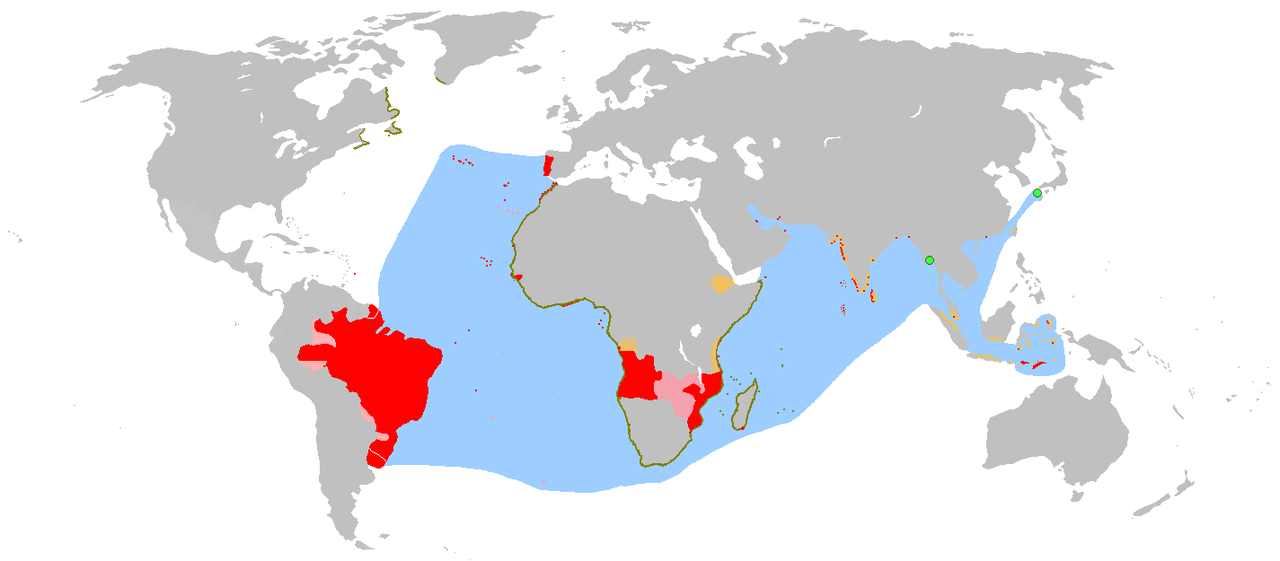



Characteristics and structure
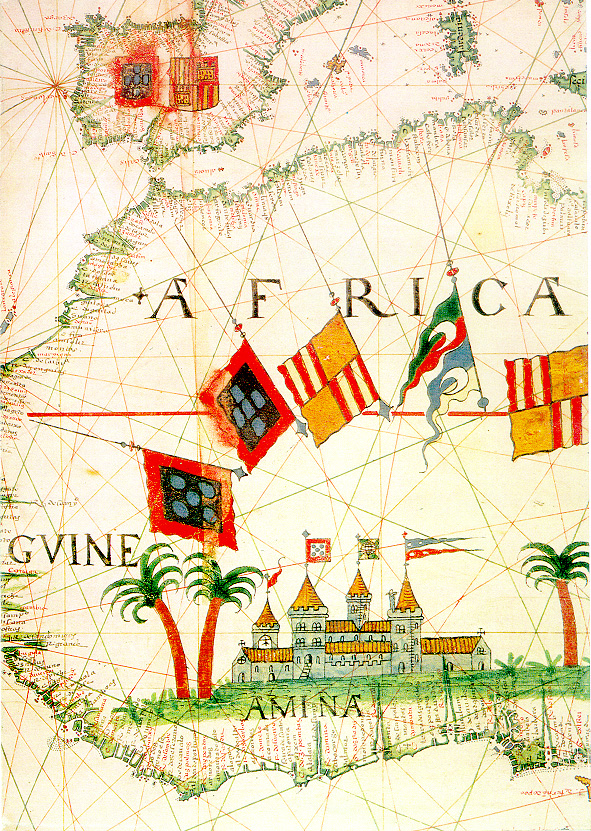
Rather than a single contiguous territory, the empire was a network of fortified ports, trading posts and colonies. Portuguese sailors, merchants and settlers — commonly identified with the Portuguese crown — established a model focused on sea lanes, maritime charts and coastal strongholds rather than large inland dominions. The empire combined commercial companies, royal administration and missionary activity, spreading the Portuguese language and Catholic faith alongside trade in spices, slaves, textiles and sugar.
Major regions and trade routes
- Goa and other South Asian bases that served as administrative and missionary centres.
- Malacca and strategic chokepoints in Southeast Asia.
- Contacts with China and Japan through trade posts and diplomatic missions.
- Access to the Spice Islands (the Moluccas) and agreements such as the Treaty of Zaragoza that defined maritime spheres.
- Connections across South Asia, the Persian Gulf and the Red Sea, linking Indian Ocean commerce to Europe.
- Coastal bases and trading activity along Sub-Saharan Africa and the Atlantic coast, plus the foundation of colonies in the Americas.
Historical development
The expansion began with voyages of exploration and oceanic navigation that opened new routes for trade and conquest. Portuguese navigators charted previously unknown passages and established a pattern of fortified entrepôts that secured long-distance commerce. Over time the network evolved into formal colonies, crown provinces and protectorates administered under varying legal and economic arrangements. The empire persisted for centuries and is often dated as lasting roughly five centuries from first conquests and settlements to the transfer of its last significant overseas holding.
Uses, importance and legacy
The empire reshaped global trade by linking producers and consumers across oceans, helped disseminate crops, technologies and religious practices, and contributed to the rise of early modern globalization. Portuguese legal, linguistic and cultural influences remain visible in former territories. At the same time the empire was implicated in the Atlantic slave trade and colonial exploitation; its economic model prioritized strategic ports, maritime supremacy and mercantile advantage.
Notable events and distinctions
Key diplomatic and military episodes reflect the empire's international role. Treaties divided overseas spheres; rivalries with other seafaring states shaped its borders and fortunes. One late-nineteenth-century example is the 1890 British Ultimatum, when pressure from the United Kingdom forced Portuguese withdrawal from certain African hinterland claims, illustrating how European power politics affected imperial holdings.
As a distinctive early modern power, the Portuguese Empire combined pioneering navigation and global commerce with a patchwork of settlements that left enduring cultural and linguistic traces across continents. For further reading, see entries on the exploration era, the broader world networks it joined, and comparisons with other imperial systems such as the Spanish and British empires.
Additional context and regional studies can be found in works addressing maritime strategy, missionary activity and colonial administration across Europe and the Atlantic and Indian Oceans.
Questions and answers
Q: What was the Portuguese Empire?
A: The Portuguese Empire was the first global empire in history, which spread from South America to Africa, India and South East Asia.
Q: How long did it last?
A: It lasted almost five centuries, which is longer than the Spanish, British and French Empires.
Q: What areas did the Portuguese Empire have trade with?
A: The Portuguese Empire had trade with Goa, Malacca and Southeast Asia; China and Japan; Spice Islands (Moluccas) and the Treaty of Zaragoza; South Asia, Persian Gulf and Red Sea; Sub-Saharan Africa.
Q: When was the 1890 British Ultimatum issued?
A: The 1890 British Ultimatum was issued on 11 January 1890.
Q: What did the ultimatum demand?
A: The ultimatum demanded that Portugal retreat its military forces from areas in Africa which had been claimed by Portugal but were occupied by Britain.
Related articles
Author
AlegsaOnline.com Portuguese Empire: maritime trading-post empire of the Age of Discovery Leandro Alegsa
URL: https://en.alegsaonline.com/art/78321
Sources
- books.google.com : The Dynamics of Global Dominance, European Overseas Empires 1415–1980