
Ceuta: Spanish Autonomous City on the North African Coast
Ceuta is a small Spanish autonomous city on the African side of the Strait of Gibraltar. An ancient port with a mixed culture, it is a Spanish exclave bordered by Morocco and has special administrative status.
Overview
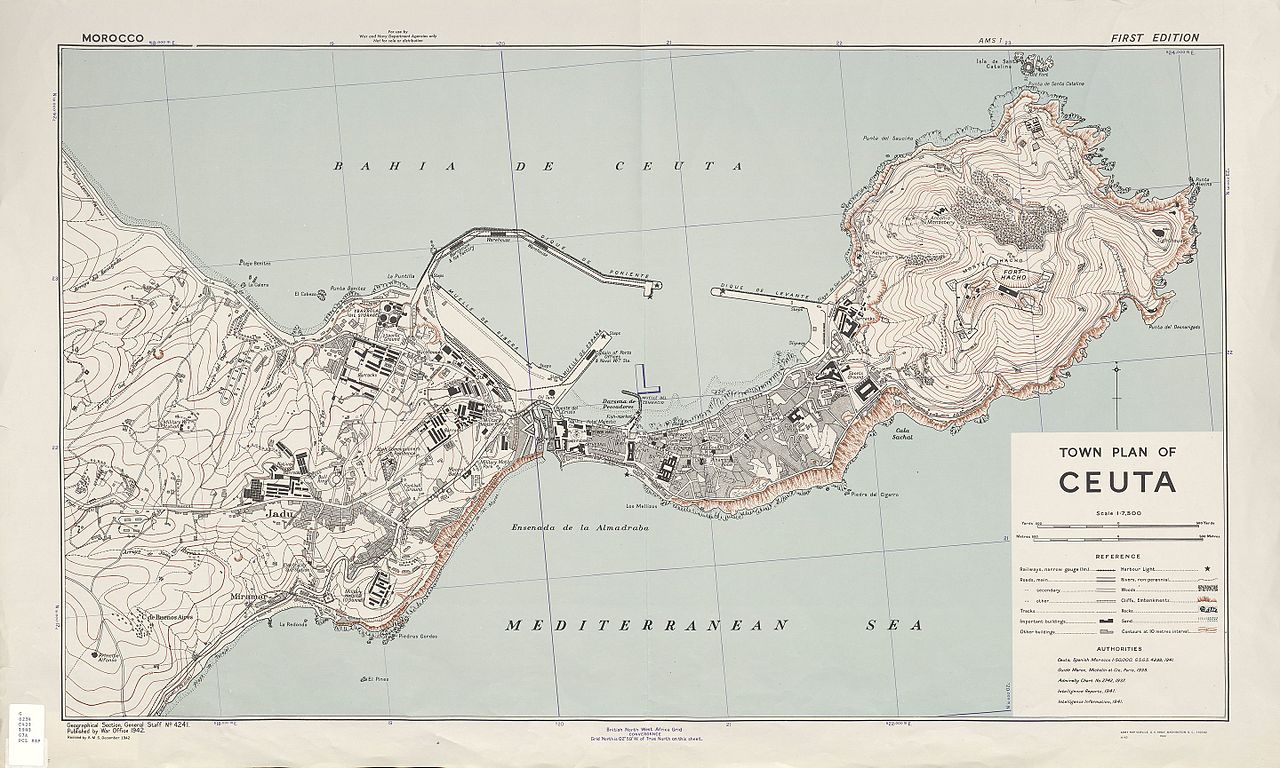
Ceuta is a Spanish autonomous city on the north coast of Africa at the eastern entrance to the Strait of Gibraltar. It is politically part of Spain while being geographically bordered by Morocco, which leads to a longstanding territorial dispute. The city functions as an exclave—territory of one state surrounded by another—and shares many economic and social ties across the nearby frontier.
Image gallery
10 Images




Geography and population
Ceuta occupies a compact area of roughly twenty square kilometres and has an urban character with a population in the tens of thousands. Its position on the strait gives it strategic maritime value and makes it a crossroads of Mediterranean and Atlantic sea routes. The city is connected to mainland Spain by sea and air links, and its frontier with Morocco is controlled by border facilities and security measures intended to regulate migration and cross-border traffic.
Key facts
- Location: North African coast at the Strait of Gibraltar — Strait of Gibraltar.
- Political status: Spanish autonomous city and exclave — see exclave.
- Neighbouring state: Morocco — Morocco.
- Comparable place: Melilla — Melilla.
- Administrative link: formerly part of the Province of Cádiz — Province of Cádiz.
History and development
Ceuta has been occupied or influenced by many Mediterranean civilizations. It began as an ancient trading post established by seafaring peoples and later formed part of the classical and medieval networks of the region. Over centuries it experienced Carthaginian, Roman and early Islamic rule, and in the late Middle Ages it became a focus of Iberian expansion. The settlement’s strategic location made it important to successive states and traders who controlled access to the western Mediterranean.
Administration, economy and society
In modern times Ceuta became an autonomous city within Spain, gaining a distinct level of self-government in the late 20th century; this change separated its administration from the province to which it had previously belonged. The city’s economy mixes public services, port activity, retail oriented to cross-border shoppers, fishing and some tourism. Because of its Spanish and European ties it also has fiscal and customs arrangements that differ from neighbouring Moroccan territory.
Cultural character and contemporary issues
Ceuta’s population reflects a blend of cultures, languages and religions, with communities that trace roots to Europe, North Africa and the wider Mediterranean. Contemporary debates around Ceuta often involve migration control, border management and the diplomatic relationship between Spain and Morocco. Visitors and researchers can consult municipal and regional sources for up-to-date information and official statements.
Further reading and resources
- Official municipal information
- Regional context: North Africa overview
- Connections with mainland Spain
- Autonomy and modern governance (1995)
Ceuta remains a small but geopolitically significant city where geography, history and modern politics intersect. Its role as a European-administered territory on African soil makes it a frequent subject of study in discussions of borders, migration and cross-cultural exchange.
Related articles
Author
AlegsaOnline.com Ceuta: Spanish Autonomous City on the North African Coast Leandro Alegsa
URL: https://en.alegsaonline.com/art/18269