
Teresa of Ávila (Saint Teresa of Jesus)
16th-century Spanish Carmelite nun, mystic and reformer whose writings on prayer and the contemplative life became central to Christian spirituality and Spanish Renaissance literature.
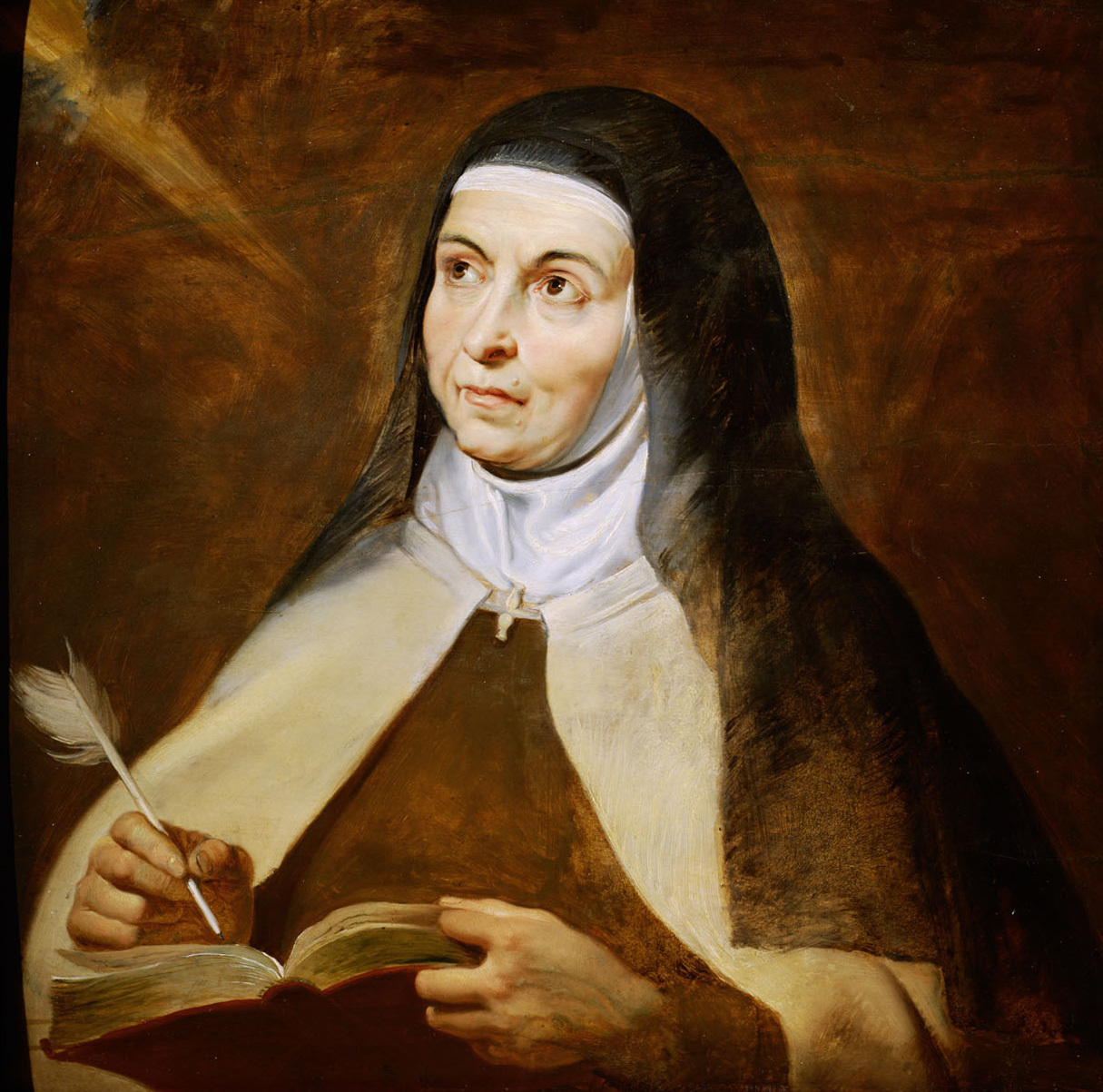
Teresa of Ávila (born Teresa Sánchez de Cepeda y Ahumada, 1515–1582) is celebrated as a leading figure in Christian mysticism and Spanish religious literature. Often called Saint Teresa of Jesus, she combined a life of monastic reform with a prolific output of spiritual writing. Her experience of contemplative prayer, practical instruction for nuns, and poetic metaphors for inner transformation have made her a lasting influence on both religious practice and literature.
Image gallery
10 Images






Life and background
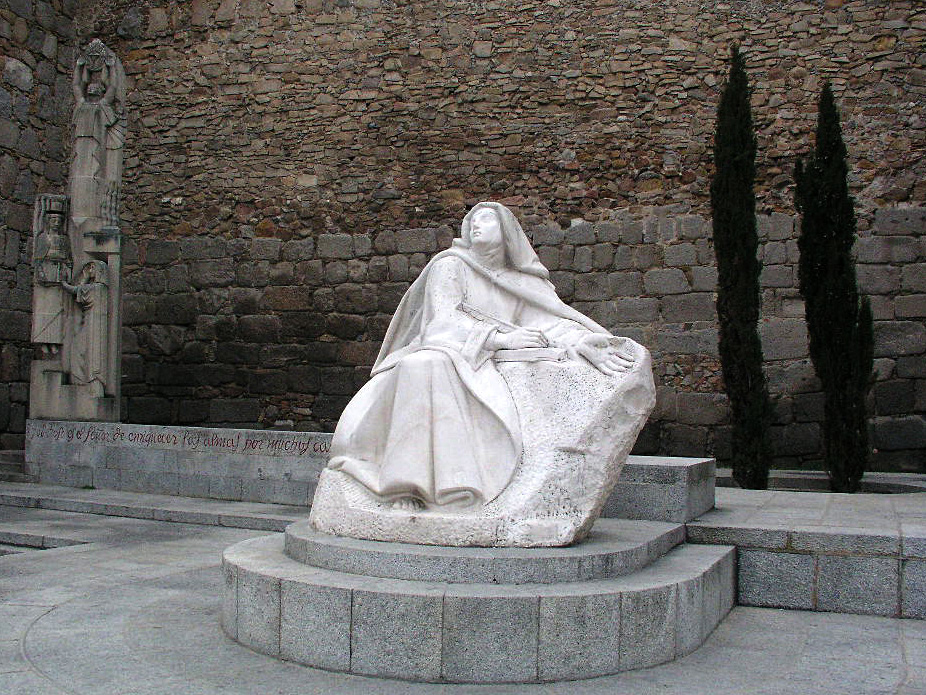
Teresa was born in Ávila, Spain, and entered the religious life in the Carmelite tradition at a young age. She is commonly known by her baptismal name; historical accounts refer to her as Teresa Sánchez de Cepeda y Ahumada. As a Spanish mystic within the Roman Catholic Church, she combined rigorous discipline with an intense focus on inner prayer. Her status as a saint reflects widespread recognition of her spiritual gifts and pastoral reforms.
Writings and spiritual teaching
Teresa wrote in Castilian using direct, often intimate language aimed at fellow nuns and clergy. Her major works include an autobiographical account, a practical guide for convent life, and a theological-poetic treatise on the soul’s journey. These texts explain stages of contemplative prayer, the role of mental prayer in daily devotion, and the virtues required for spiritual progress. She is admired as both a writer and a theologian of the interior life.
Reform and collaboration
Concerned with what she saw as laxity and worldly influence in many houses, Teresa initiated a program of renewal focusing on poverty, simplicity, and stricter enclosure. These reforms led to the emergence of the Discalced branch of the order: Teresa worked closely with contemporaries such as John of the Cross to re-establish a more austere Carmelite observance. She remained a member of the broader Carmelite tradition and continued to guide sisters as a nun and superior.
Legacy and recognition
Teresa’s influence extends beyond religious communities into the history of Spanish letters and devotional practice. Her books are read for their theological insight and literary quality, and they helped define devotional standards during the era of Catholic reform. She was formally canonized in 1622 and, centuries later, was declared a Doctor of the Church (1970) by Pope Paul VI, a recognition that underlines her lasting significance to Christian thought.
Notable facts and influence
- Her writing blends practical advice, theological reflection, and vivid spiritual metaphor.
- She emphasized a stepwise movement toward union with God, often described in architectural or garden imagery.
- Teresa’s reforms produced new convents and inspired later contemplative movements.
Teresa of Ávila remains a central figure for those studying mystical theology, contemplative prayer, and the history of religious reform. Her works continue to be translated, taught, and used in spiritual direction, and her life is frequently discussed in studies of the Spanish Renaissance and the wider history of Christian spirituality.
Related articles
Author
AlegsaOnline.com Teresa of Ávila (Saint Teresa of Jesus) Leandro Alegsa
URL: https://en.alegsaonline.com/art/97072