
Hadith: reports of the Prophet Muhammad and their role in Islam
Hadith are reports of the Prophet Muhammad’s words, actions and approvals. Alongside the Qur'an they inform Islamic law, practice and ethics; scholars developed methods to evaluate transmission and authenticity.
The Arabic term hadith denotes a report describing the words, actions, tacit approvals or characteristic conduct of the Prophet Muhammad. In English usage the noun is often used both for the singular and the plural, though Arabic has a distinct plural form; see the linguistic distinction. Hadith literature developed as a complement to the Qur'an in the formulation of communal norms and legal reasoning within Islam.
Image gallery
7 Images



Structure and evaluation
Each report traditionally consists of two parts: the chain of transmitters (the isnād) and the wording of the report itself (the matn). From early centuries Muslim scholars built biographical and textual methods to assess each transmitter's trustworthiness, to test the continuity of chains, and to compare content for consistency. These procedures yield common classifications (for example: strong/authentic, good, weak or fabricated) that influence how a report is used in doctrine and law.
Collections and communal differences
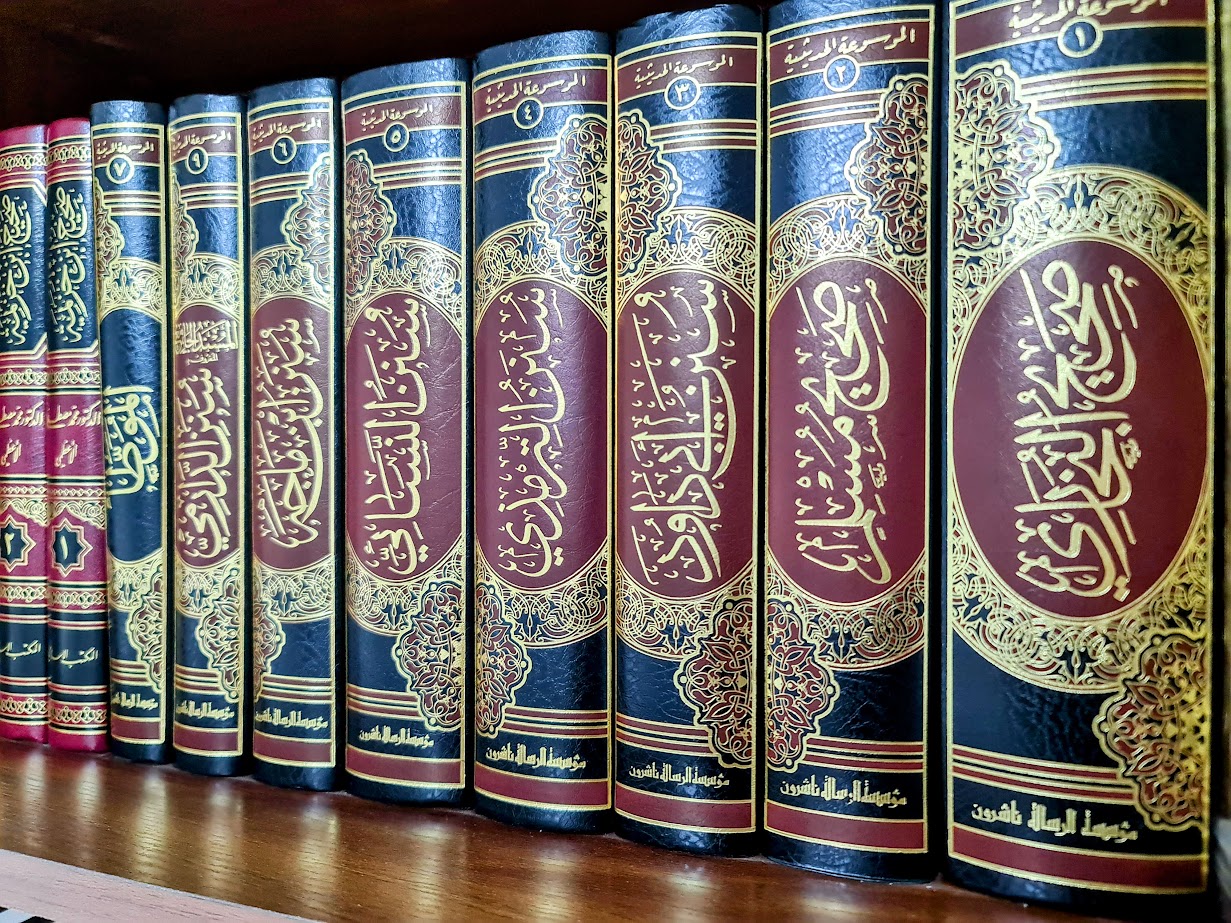
Major Sunni compendia known collectively as the kutub al-Sittah (six canonical books) are widely studied in Sunni communities, while Shia Muslims preserve and prioritize other principal collections. Different legal schools and theological traditions assign varying weight to particular reports and collections; this diversity shapes differing legal and liturgical outcomes across Muslim societies. Many Muslims consult hadith alongside Sharia-related sources when deriving rulings.
History and transmission
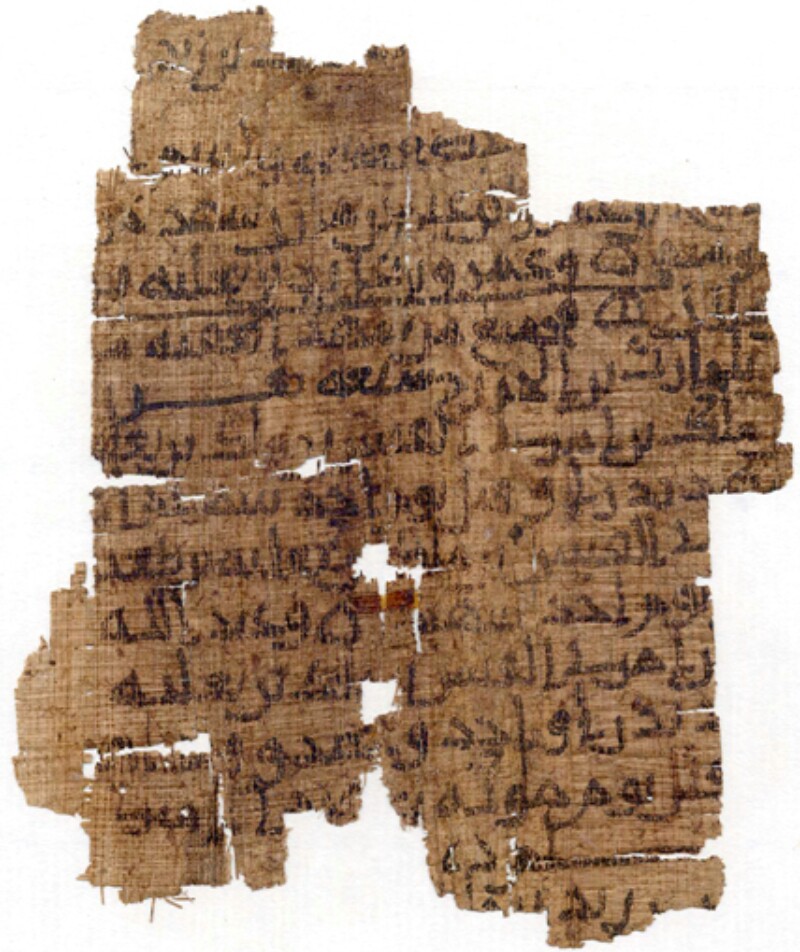
After the Prophet's death, companions and later generations transmitted reports by oral recitation and memorization. From the second and third centuries of Islam scholars began compiling written collections, subjecting narratives to rigorous scrutiny. Notable transmitters, such as Abu Hurairah, are associated with large numbers of preserved reports; historians and hadith scholars treat these attributions with careful analysis of provenance and context.
Uses and significance
- Legal derivation: hadith often provide procedural details for prayer, ritual, contracts and other matters where the Qur'an is general or silent.
- Exegesis and ethics: reports supply explanatory examples and guidance on moral conduct.
- Historical source: hadith contribute material for the study of early Muslim life, though modern historians apply critical methods to assess reliability.
Scholarly issues and modern study
Key scholarly concerns include the authenticity of reports, methods of chain criticism, and the contextual interpretation of texts. Modern academic study approaches hadith both from within Islamic disciplines and from historical-critical perspectives. Debates continue about methodology, the dating and formation of collections, and the appropriate status of hadith in contemporary legal and ethical discourse. General reference works and specialist studies provide accessible overviews for readers who wish to explore terminology, methodology and canonical lists further in both Sunni and Shia traditions. For introductory material see resources on prophetic reports and overviews of Sunni and Islamic law traditions.
Readers seeking primary collections or classical commentaries may consult editions and translations of major compilers and modern academic treatments for critical editions, annotated translations and methodological introductions to hadith literature.
Questions and answers
Q: What is a hadith?
A: A hadith is a narration of an event from the life of Muhammad, the prophet of Islam.
Q: Is the word “hadith” used only in Arabic?
A: No, the word "hadith" is also used in English to describe a group of these narrations.
Q: How is the plural form of "hadith" pronounced in Arabic?
A: The plural form of "hadith" in Arabic is pronounced "a-HAA-deeth".
Q: How is the hadith used in Islam?
A: The hadith is used along with the Quran to interpret Sharia.
Q: Which collection of hadiths do Sunnis follow?
A: Sunnis follow the kutub al-Sittah.
Q: And which collection of hadiths do Shias follow?
A: Shias follow the Kutub al-Arba'a.
Q: Who is known for narrating the most Sunni hadiths?
A: Abu Hurairah is known for narrating the most Sunni hadiths.
Related articles
Author
AlegsaOnline.com Hadith: reports of the Prophet Muhammad and their role in Islam Leandro Alegsa
URL: https://en.alegsaonline.com/art/41717
Sources
- simple.wiktionary.org : hadith