
Enclave (territorial and administrative areas)
An enclave is a territory entirely surrounded by another political unit or region. This article explains definitions, types, causes, practical issues, history, and notable examples.
Overview
An enclave is commonly any distinct area set apart inside a larger territory — for example, a neighborhood in a city that follows different taxes or regulations than its surroundings. In political and legal geography the term has a more specific meaning: an enclave is a portion of land that is completely surrounded by the territory of another state or administrative unit. When that surrounded territory belongs to a different state that exercises sovereignty over it, the enclosed piece is also an exclave of that other state.
Image gallery
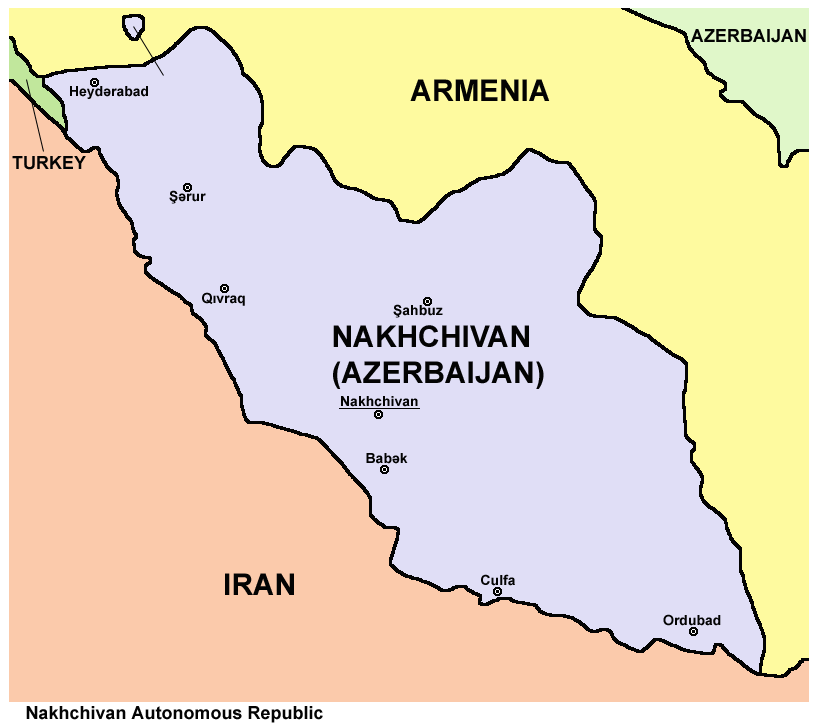
3 Images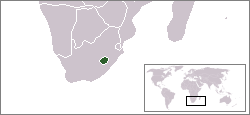

Definitions and distinctions
Writers and officials distinguish several related concepts. An enclave is defined by its relationship to the surrounding unit — it is 'inside'. An exclave is defined by the relation to the parent state — it is 'separate' from the rest of the parent territory. A territory can be both an enclave and an exclave when it belongs to one state while being entirely surrounded by another. Other terms used in discussion include "pene-enclave" (nearly surrounded but connected by narrow access) and administrative enclaves which occur within a single country where subnational boundaries create pockets of one jurisdiction inside another.
Types and common causes
- International enclaves: a sovereign area of one state entirely enclosed by another.
- Subnational enclaves: pockets of one province, county, or municipality inside another.
- Counter-enclaves: an enclave within an enclave (rare but historically documented).
Enclaves arise for varied reasons: historical treaties, dynastic inheritance, purchase or conquest, errors or changes in natural features such as a river altering its course, or deliberate administrative drawing. Some formed through complex negotiations or legacy arrangements from colonial times; others are the product of piecemeal land transfers and local agreements.
History and etymology
The diplomatic vocabulary that describes these arrangements borrows from several languages. The English word "enclave" came via French into diplomatic usage; its root traces back to Latin meaning "locked in." The term entered English usage in the 19th century (commonly dated to 1868) and related forms such as "exclave" followed some decades later (roughly three decades). Diplomatic practice developed alongside the language — discussions in diplomacy and maps drawn in French-speaking chancelleries influenced the terminology. In older English administrative history, some church jurisdictions that were exceptions to local control were called peculiars, a related idea of a jurisdiction that does not fit surrounding patterns.
Practical issues, resolution and importance
Living in or administering an enclave often raises practical challenges: access for people and goods, delivery of mail and utilities, policing and emergency services, and planning. Because such arrangements can be inefficient or politically awkward, states frequently negotiate to simplify borders. Solutions include land swaps, bilateral treaties allowing transit rights, or formal cessions. Notable diplomatic efforts in the late 20th and early 21st centuries have eliminated or reduced many small enclaves through negotiated exchanges and boundary commissions. Disputes over enclaves may touch on national pride, minority rights, and international law.
Examples and notable facts
- Sovereign enclaved countries are well known examples used in teaching about border forms; some tiny independent states are completely surrounded by a larger state.
- Historical clusters of enclaves existed on some international frontiers and between neighboring provinces; many were simplified in modern boundary treaties.
- Subnational enclaves within a single country can affect local governance, voting, and service provision; administrators sometimes alter boundaries to remove such pockets.
Enclaves remain an instructive part of political geography and international law because they illustrate how history, geography, and human decisions combine to shape borders. Their study illuminates the practical consequences of sovereignty and jurisdiction in concentrated form. Further reading and legal cases can be found through standard geographic and diplomatic sources; specialist atlases and boundary commission reports document the most intricate examples and the treaties that resolved them. For discussion of historical causes see works on historical boundary development and for administrative instances see analyses in political political and geography literature.
For administrative practice and reform, consult resources addressing the governance of pockets and enclaves, including case studies of exchanges and agreements that allowed transit or full integration of isolated territories.
Further legal and administrative notes on the concept appear in specialist literature on sovereignty and territorial integrity; comparative studies explore how different legal systems treat enclaves and country-level exceptions.
Practical checklists for governments managing enclaves typically include items on cross-border services, rights of passage, and bilateral coordination.
These arrangements illustrate the intersection of law, geography and daily life in ways that remain relevant to border management and local governance.
Related articles
Author
AlegsaOnline.com Enclave (territorial and administrative areas) Leandro Alegsa
URL: https://en.alegsaonline.com/art/31341