
Folk hero
A folk hero is a widely admired figure—real, exaggerated, or mythical—celebrated in popular tradition for deeds that reflect communal values, often resisting perceived injustice and preserved through oral and cultural media.
Overview
A folk hero is a person who becomes famous and beloved within a community, region, or nation for actions or qualities that resonate with ordinary people. The figure may be historically verifiable, partly historical, or wholly legendary. Folk heroes are commonly remembered for standing up for common people, challenging authority, or performing feats associated with local identity. The term is used across cultures to describe figures who embody popular ideals and collective memory; the idea of a "country" or cultural group is central to how these figures are celebrated (see context).
Image gallery
10 Images

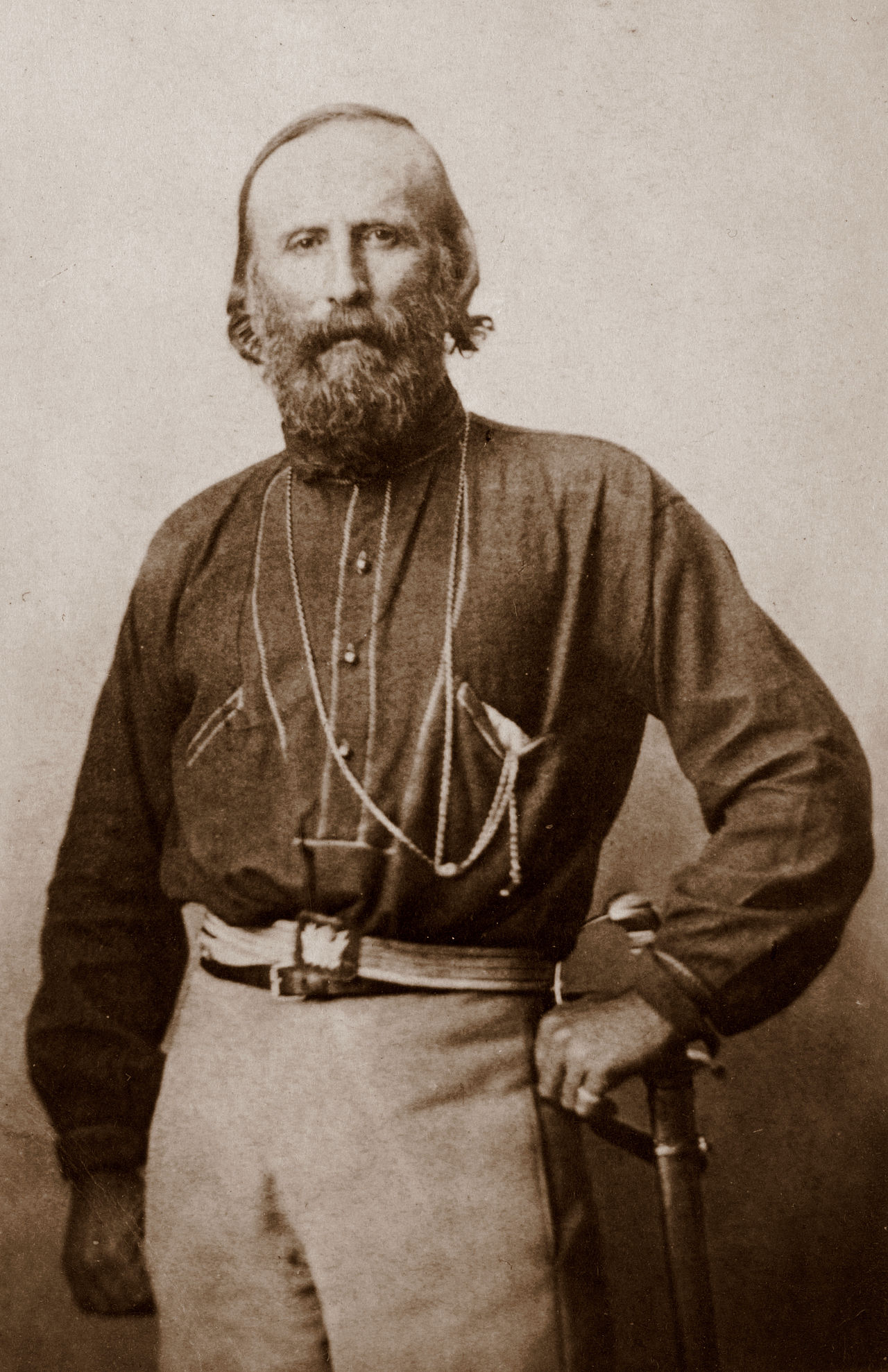


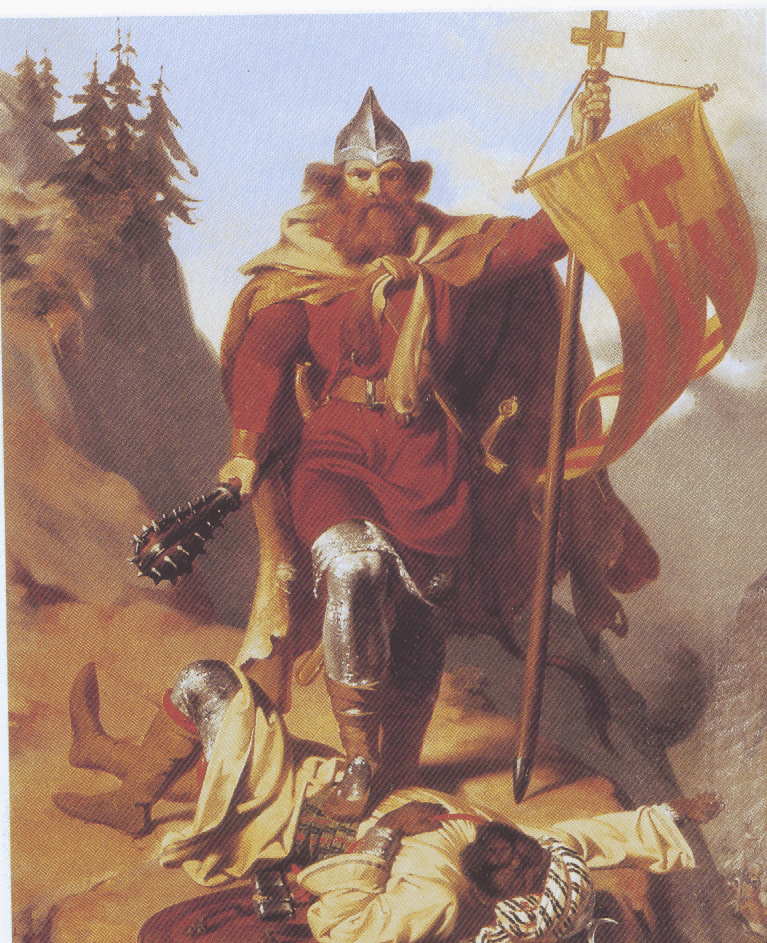
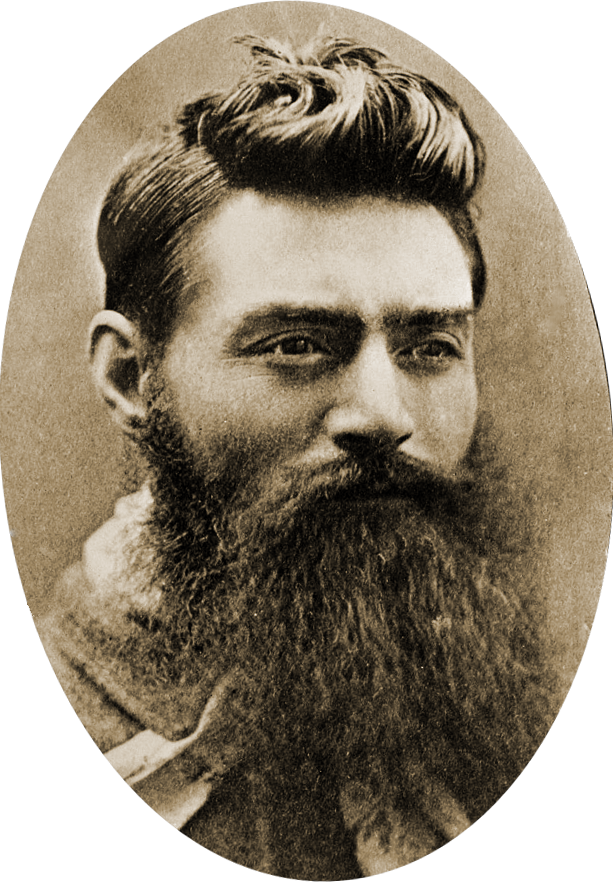

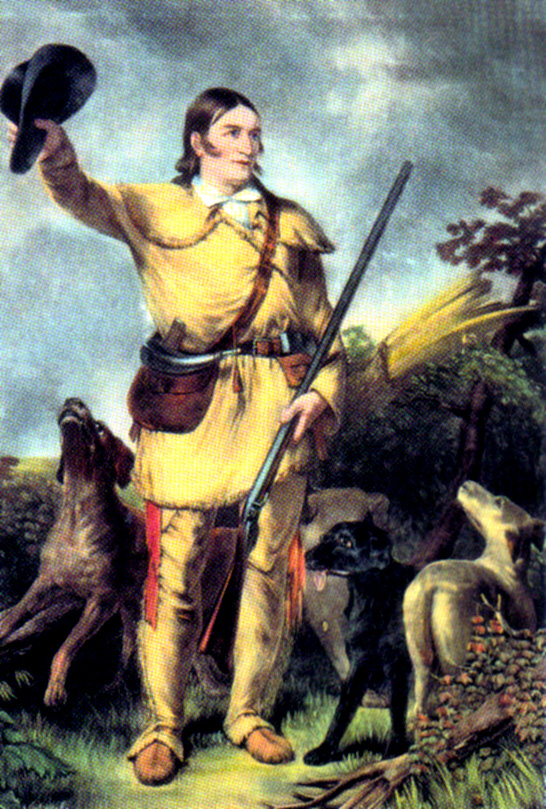

Typical characteristics
Folk heroes usually share several traits: memorable personal attributes (strength, cleverness, exceptional skill), actions that defend or assist ordinary people, and a narrative shaped by folklore rather than strict historical record. Their stories often depict them confronting authorities, corrupt officials, or oppressive rulers, and resisting injustice in ways that attract public sympathy (authorities and resistance), even if the foe is represented as a generalized "tyrant" (the tyrant motif). Oral transmission and retelling lead to variations and embellishments: over generations, details change to suit audience needs and cultural values.
History and cultural development
The category of folk hero has ancient roots: communities have always elevated exemplary figures—leaders, tricksters, rebels—to symbolize preferred virtues. As literacy and print media expanded, many oral tales were written down, adapted for literature, theater, and later film. National movements frequently reclaim or reinterpret folk heroes to forge identity or legitimize political narratives. Folklorists study these figures both as narrative types and as social instruments that reflect shifting norms and historical memory.
Examples from different traditions
Examples vary worldwide; some names are legendary, others are historical figures who acquired mythic attributes. Below is a representative list showing the range of contexts and origins:
- Robin Hood — English outlaw famous for redistributive deeds; associated with England.
- William Tell — Swiss marksman associated with resistance to a foreign or local Swiss overlord and the archetype of defiance against a tyrant.
- Carmine Crocco — a controversial figure linked to 19th-century Italy and debates about the Italian unification.
- Johnny Appleseed — an American frontier figure associated with planting orchards and folk stories.
- George Washington — a historical leader central to the founding narratives of the United States, often portrayed in folk memory.
- Natty Bumppo — a frontier hero from American literature and oral storytelling traditions.
- Paul Bunyan — an exaggerative lumberjack figure in North American folklore known for superhuman size and strength.
- Mustafa Kemal Atatürk — a modern political leader widely treated as foundational in the national memory of Turkey.
- Gandhi — a moral and political leader whose life inspired both historical and folk narratives about nonviolent resistance.
- Nelson Mandela — a leader closely tied to the struggle in South Africa and the anti-apartheid movement.
- Simón Bolívar — a military and political leader central to independence movements in parts of Latin America.
- John Henry — an African American folk figure symbolizing industrial-era labor resistance.
- Pecos Bill — a tall-tale cowboy from American folklore celebrated for outsize exploits.
- Abraham Lincoln — U.S. president whose life and leadership during the American Civil War have been magnified in popular memory.
- Davy Crockett — American frontiersman associated with the Battle of the Alamo in folk accounts.
- Jim Bowie — known in popular culture for his knife and role in the same frontier narratives.
- Paul Revere — remembered for his ride and role in early American revolutionary stories.
- Qutb Shah — a figure from South Asian narratives tied to migration and tribal origin stories.
- Dulla Bhatti — celebrated in Punjabi ballads for resistance against the Mughal Empire.
- Rai Ahmad Khan Kharal — a Punjabi freedom fighter from the 1857 upheavals, remembered in regional tradition.
Significance and distinctions
Folk heroes function as cultural touchstones: they teach values, preserve memory, and offer models for behavior. They differ from saints, official national heroes, and purely fictional protagonists in several ways: folk heroes often arise organically from popular speech; their veneration is rooted in community practice rather than formal institutions. At the same time, the boundary between a folk hero and a national icon can blur when governments adopt such figures for symbolic purposes. Scholarly attention focuses on how these figures are constructed, transformed, and used in public life.
Related articles
Author
AlegsaOnline.com Folk hero Leandro Alegsa
URL: https://en.alegsaonline.com/art/35370