
Jim Bowie: Frontiersman, Fighter, and Alamo Defender
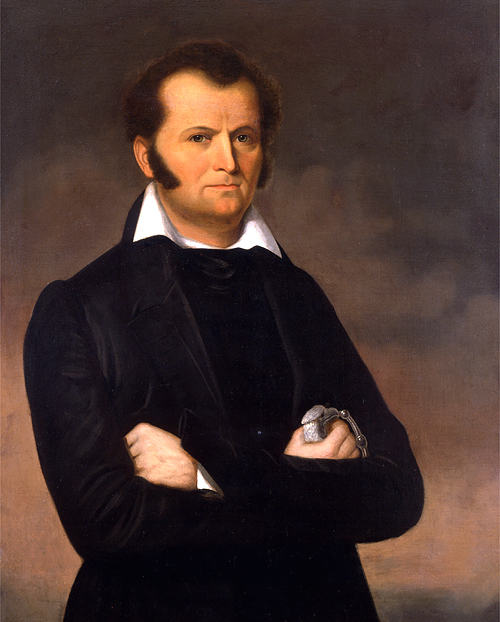
Jim Bowie (April 1796–March 6, 1836) was an American frontiersman whose life, the Sandbar Fight and the Bowie knife made him a legendary figure in the Texas Revolution and the Battle of the Alamo.
Overview
James "Jim" Bowie (April 1796 – March 6, 1836) was an American frontiersman and land speculator who became a prominent figure in early 19th‑century frontier life and the struggle for Texas independence. He gained national fame for a violent duel known as the Sandbar Fight, for which the large fighting knife associated with his name — the Bowie knife — became widely known. He died at the fall of the Alamo during the Texas Revolution, and his life has been the subject of both historical research and popular legend.
Image gallery
10 Images



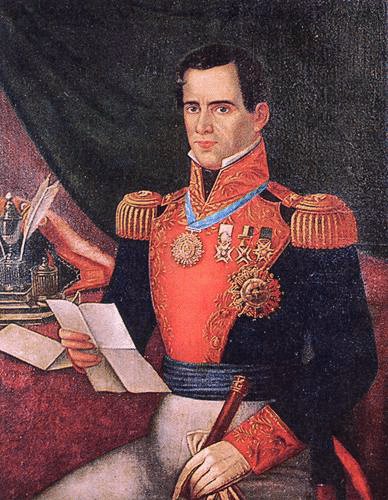
Early life and frontier activity
Bowie was born in April 1796, probably in what is now Logan County, Kentucky, and grew up on the American frontier. He moved through the southern states and into the Gulf Coast region, where he engaged in land speculation, business ventures, and occasional violence common among frontier adventurers. During these years he developed a reputation as a tough and resourceful survivor — a reputation that later became central to stories about him as a pioneer and frontiersman.
Sandbar Fight and the Bowie knife
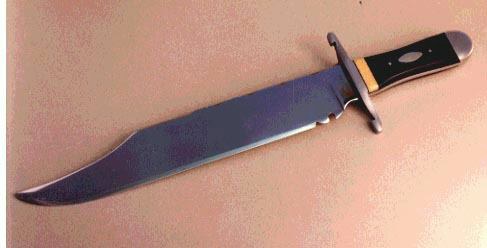
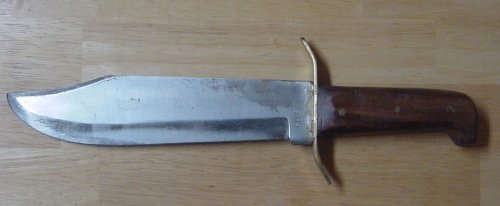
In 1827 Bowie took part in the confrontation known as the Sandbar Fight, in which he and several others were involved in a deadly street brawl. Accounts of that incident emphasize Bowie’s use of a large fixed‑blade knife and helped popularize a distinctive blade that would be called the Bowie knife. Over time the knife’s form evolved in folk memory and among craftsmen, becoming a symbol of frontier self‑defense and a practical tool for outdoorsmen.
Role in Texas and the Alamo
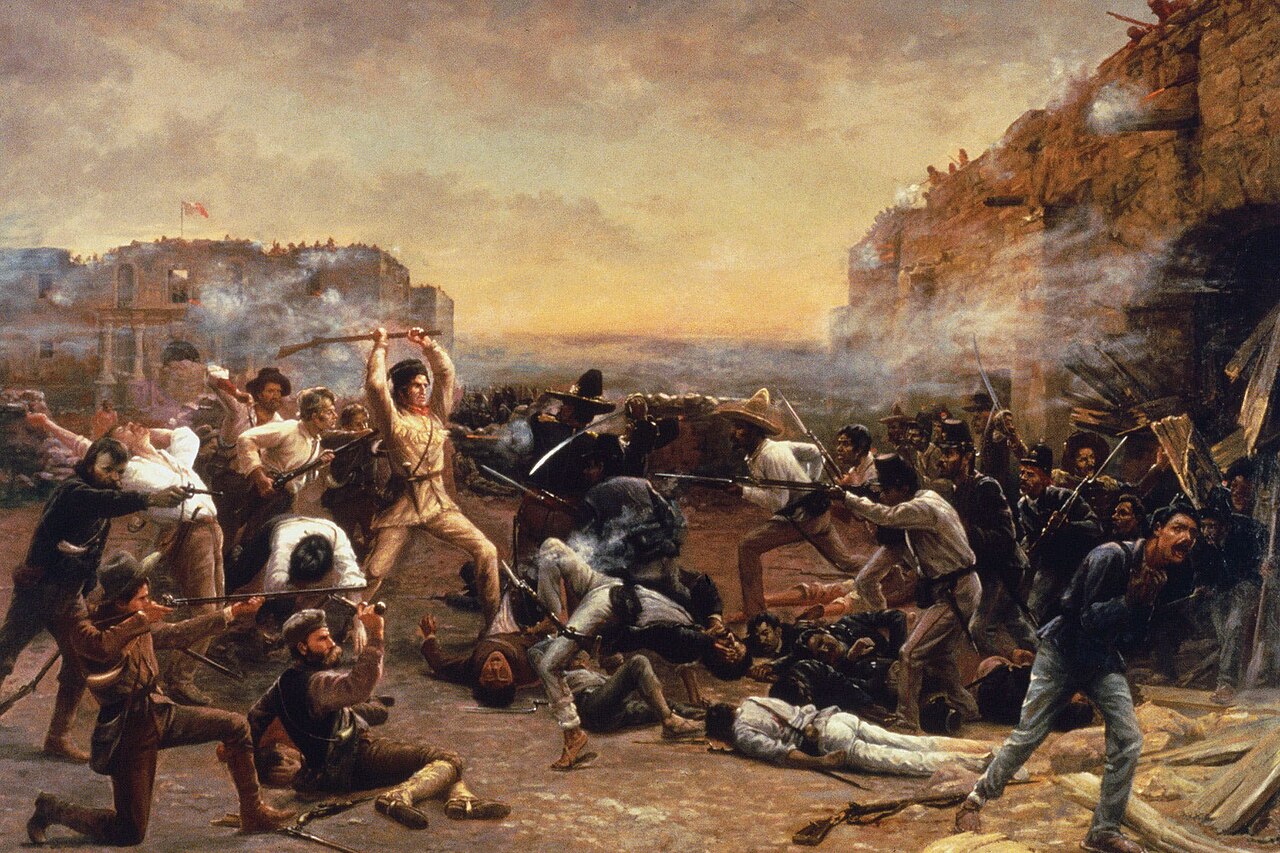
By the early 1830s Bowie had moved to Mexican Texas and became involved in local politics and the conflict that led to the Texas Revolution. He is remembered for his participation in the struggle for Texan independence; he played a visible role in the Texas Revolution and was among the defenders of the mission compound at San Antonio known as the Battle of the Alamo. Contemporary reports and later histories describe him as ill and confined to a bed during the final siege; he was killed when Mexican forces overran the fort on March 6, 1836.
Legacy, legend, and historical debate
Stories about Bowie mix documented events with embellishment. He is a central figure in narratives of the Texas Revolution and in the broader memory of Texas and American frontier history. Many popular accounts blur fact and fiction — some episodes are widely repeated in books, films and folk tales as both real and fictitious exploits. Historians note discrepancies between contemporary records and later storytelling, which contributed to his status as a legendary and often romanticized folk hero.
Notable facts and significance
- He remains one of the best‑known figures associated with the history of Texas and the Alamo.
- The knife that bears his name became a cultural and practical icon and influenced knife design.
- Debates about his exact actions, leadership role, and the circumstances of his death continue among historians.
For further reading and compiled primary accounts, see collections of early Texas documents and modern biographies that distinguish the verifiable events of Bowie’s life from the many later embellishments that created his larger‑than‑life image. The Alamo and the Texas Revolution remain central to understanding why his name endures.
Related resources: pioneer context, military role, frontier culture, popular myths, legend formation, regional impact, historical records, folk memory, weapon history.
Questions and answers
Q: Who was Jim Bowie?
A: Jim Bowie was a 19th-century American pioneer who played a prominent role in the Texas Revolution and is now remembered as a folk hero of American history.
Q: How do we pronounce his name?
A: His name is pronounced "BOO-ee".
Q: When did he die?
A: He died at the Battle of the Alamo on March 6, 1836.
Q: What made him a legendary figure in Texas history?
A: Stories of him as a fighter and frontiersman, both real and fictitious, have made him a legendary figure in Texas history.
Q: What is named after Jim Bowie?
A: The Bowie knife is named after Jim Bowie.
Q: Where was he born?
A: He was born in April 1796.
Related articles
Author
AlegsaOnline.com Jim Bowie: Frontiersman, Fighter, and Alamo Defender Leandro Alegsa
URL: https://en.alegsaonline.com/art/50195
Sources
- biography.com : "Jim Bowie Biography"
- tamu.edu : "James Bowie 1796-1836"
- tshaonline.org : "Bowie, James (1796–1836)"
- pbs.org : "James Bowie"
- encyclopediaofarkansas.net : "Jim Bowie (1796-1836)"
- lib.utexas.edu : "A Guide to the James Bowie Papers, 1831-1904"
- bowieknifefightsfighters.blogspot.com : "Bowie Knife Fights, Fighters and Fighting Techniques"
- andrews.edu : "Santa Anna and the Texas Revolution"
- historynet.com : "Battle Of The Alamo"
- texasreader.com : "Origin of the Bowie Knife"
- tshaonline.org : "Bowie Knife"
- tamu.edu : "A Knife Like Bowie's"
- historynewsnetwork.org : "Remember the Alamo: The Persistence of Myth"
- nytimes.com : "The Iron Mistress (1952) THE SCREEN IN REVIEW; Jim Bowie and His Knife Are Resurrected at Paramount in 'The Iron Mistress'"
- classictvhits.com : The Adventures of Jim Bowie