
Fountain of Youth: the legendary spring of rejuvenation
A summary of the Fountain of Youth legend: origins, historical attributions, cultural parallels and modern legacy, including associations with Herodotus, India and Juan Ponce de León.
Overview
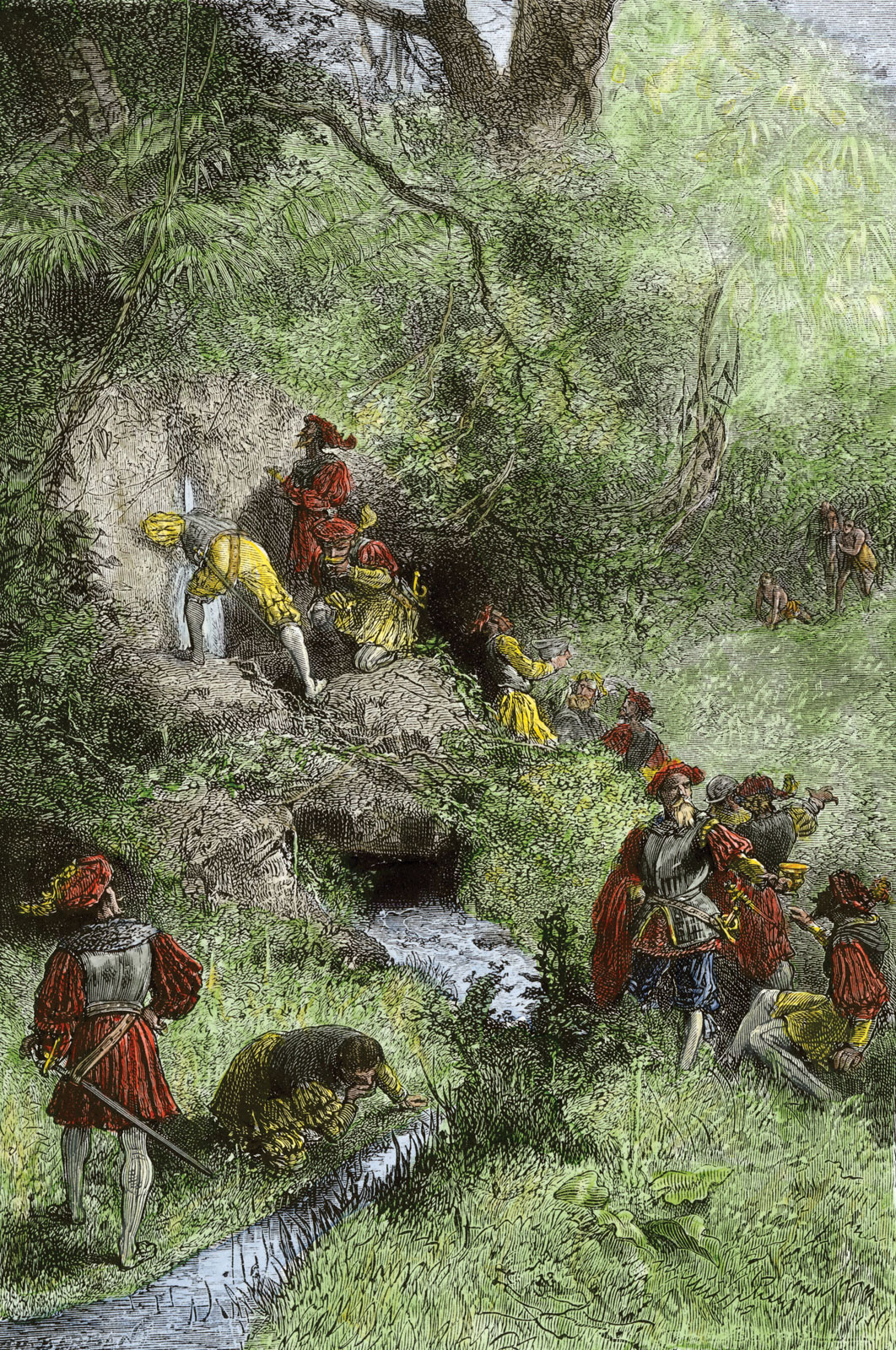
The Fountain of Youth is a legendary spring whose waters were said to restore youth or prolong life. Tales of such restorative waters appear in many traditions and have been told for millennia as a promise of renewal and healing. The phrase commonly evokes an image of a miraculous spring or well whose water brings renewed vigor and health; related stories sometimes call it a hidden source of life.
Image gallery
5 Images


History and historical attributions
Ancient and medieval writers placed water-of-life tales in different regions. Some classical accounts attribute a life-restoring spring to areas in and around northeastern Africa; for example, the ancient historian Herodotus reported rumors about such waters in the Horn of Africa region noted in later summaries as the Horn of Africa. Other traditions located rejuvenating waters in South Asia, where stories of immortality and miraculous nectar circulated and were adapted by travelers and chroniclers; later writers pointed to locations in India.
Age of Discovery and the Ponce de León association
During the European Age of Discovery explorers and mapmakers sometimes connected New World sites with old quests for long life. The Spanish explorer Juan Ponce de León is popularly linked to a search for a Fountain of Youth when he sailed to present-day Florida. Modern historians treat that episode cautiously: contemporary records show Ponce de León pursued colonial and political objectives, and the long-standing association with the fountain appears to have been emphasized or embellished by later storytellers.
Cultural parallels and symbolism
Stories of waters or substances that confer longevity or immortality are widespread. Examples include the Indian concept of amrita, the alchemical elixir of life in medieval Europe and Asia, and various myths about ambrosia or other sacred foods and waters. Such motifs function symbolically to express human hopes about youth, health, renewal and resistance to mortality.
Modern legacy and significance
The Fountain of Youth survives today as myth, metaphor and tourist attraction. Cities and sites have capitalized on local legends to attract visitors, and the image of a fountain that restores youth recurs in literature, art, film and advertising. Scientifically, there is no verified natural source that reverses biological aging; nonetheless the search for ways to slow aging continues in medicine and biotechnology, often invoking the same cultural desire that inspired earlier fountain myths.
Notable associations
- Ancient texts and travel accounts that mention life-giving springs and waters.
- Geographic attributions spanning the Horn of Africa, India and sites claimed in the Americas.
- Later popular links between explorers such as Ponce de León and search narratives.
- Modern tourism and cultural references that keep the legend alive.
Related articles
Author
AlegsaOnline.com Fountain of Youth: the legendary spring of rejuvenation Leandro Alegsa
URL: https://en.alegsaonline.com/art/35873