
Apartheid: racial segregation and the system of minority rule in South Africa
Apartheid was a system of institutionalized racial segregation and discrimination in South Africa from 1948 to the early 1990s, structuring law, daily life, and political power under white minority rule.
Apartheid was a state policy and social order in South Africa that legally enforced racial separation and inequality during much of the twentieth century. The Afrikaans word apartheid is commonly translated as "apartness" and described a comprehensive set of laws, administrative practices and social norms that privileged the white minority while restricting the rights, movement and economic opportunities of non-white people.
Image gallery
10 Images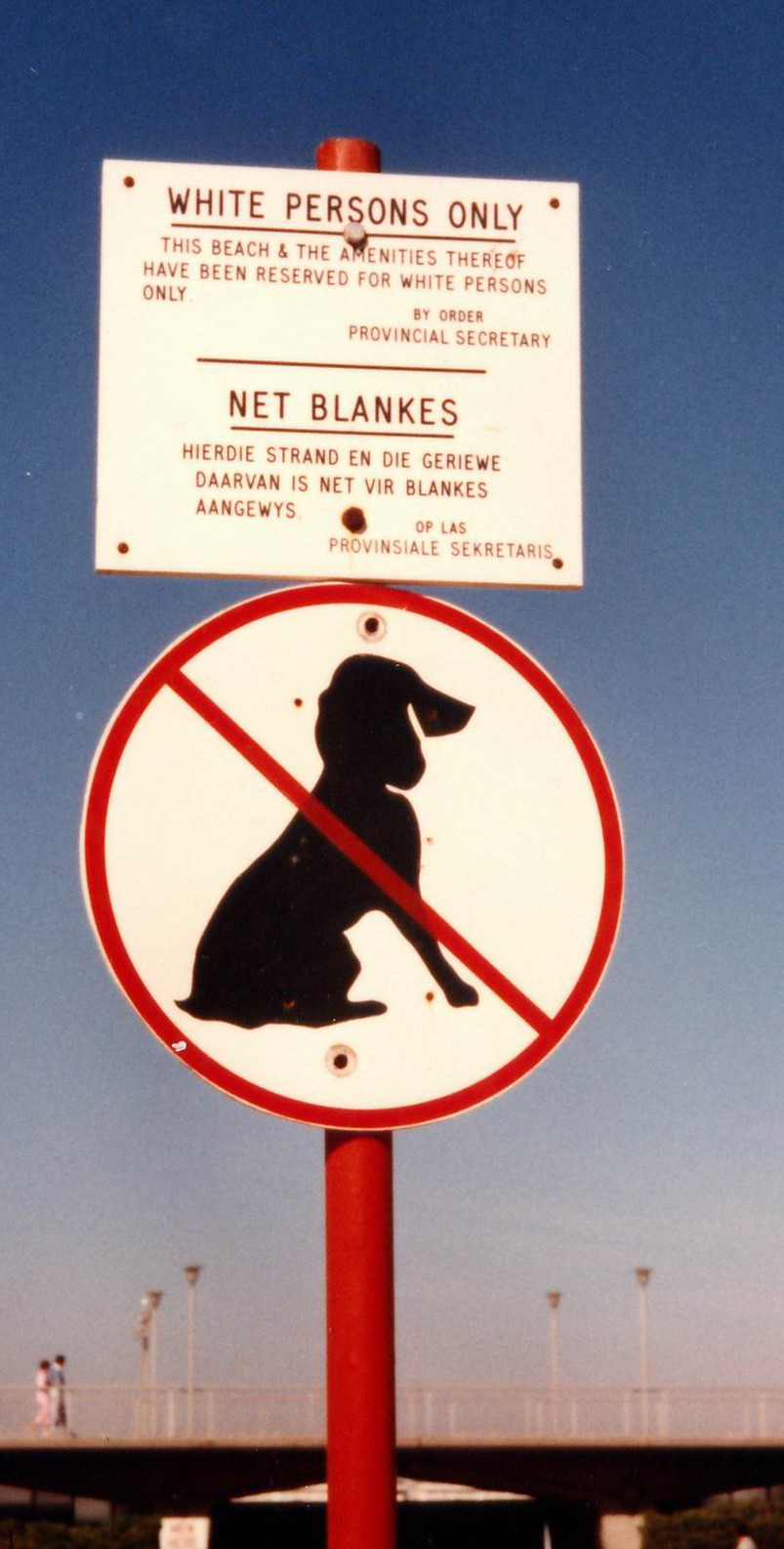


Core features and major laws
The system classified people into racial categories and used that classification to control nearly every aspect of life. Key elements included registration by race, residential segregation, restrictions on citizenship, and specially segregated education, health and labor policies. Prominent laws that shaped apartheid included the Population Registration Act, which legally assigned racial categories, and the Group Areas legislation that segregated cities and determined where people could live and work. Other measures included pass laws that restricted movement, and educational and labor statutes that entrenched unequal opportunities.
Development and rationale
Racial segregation had long precedents in southern Africa, but apartheid became official policy after the 1948 electoral victory of the National Party. The party argued that separate development would preserve cultural identity and social order, while critics saw it as a means to maintain political and economic control. Apartheid authorities also created nominally independent homelands or "Bantustans" intended to strip many black South Africans of national citizenship and concentrate political rights in territories outside the Republic.
Resistance and international response
Systemic oppression provoked sustained domestic resistance and international condemnation. Political movements and civil society groups, including the African National Congress and other organizations, led protests, strikes and campaigns against discriminatory laws. Violent clashes and mass uprisings occurred at several points, drawing global attention. The name of Nelson Mandela became internationally associated with the anti-apartheid struggle; he was imprisoned for many years and later became a key figure in negotiations to end the system. Over time, foreign governments, economic institutions and cultural organizations imposed sanctions and boycotts that increased pressure on the regime.
End of apartheid and transition
Beginning in the late twentieth century, a combination of internal resistance, economic strain and shifting political priorities led to negotiations to dismantle apartheid. Reforms and talks between state leaders and opposition groups culminated in the early 1990s with a process of constitutional change and the release of political prisoners. In 1994 South Africa held its first nationwide multiracial elections, marking a formal end to the legal structure of apartheid and the establishment of majority rule.
Consequences and legacy
Although apartheid laws were repealed, their social and economic effects have persisted: spatial segregation, unequal access to education and employment, and wide disparities in wealth and health remain central challenges. The term "apartheid" has also entered global discourse as a descriptor for comparable systems of segregation and institutionalized discrimination elsewhere. Historical study of apartheid examines its legal architecture, everyday enforcement, resistance movements, and the long process of national reconciliation and reform.
Notable facts
- The word apartheid comes from Afrikaans and means a policy of separation.
- Apartheid formalized long-standing practices of racial segregation into state law.
- International campaigns and internal opposition played major roles in ending the system.
For further reading, consult primary documents and comprehensive histories that trace legislative texts, resistance campaigns and the transitional justice efforts that followed apartheid's end. Additional resources and archival material provide detailed timelines, biographies and legal analyses of this complex period.
Questions and answers
Q: What does the word "apartheid" mean?
A: The word apartheid means "distantiation” in the Afrikaans language.
Q: When did apartheid exist in South Africa?
A: Apartheid existed in South Africa during the twentieth century, from 1948 until the early-1990s.
Q: How was segregation enforced under apartheid?
A: Under apartheid, racial segregation was enforced by laws that kept different races separated and forced them to live separately from each other.
Q: Who was responsible for ending apartheid in South Africa?
A: The last President who held office during the apartheid era, Frederik Willem de Klerk, negotiated with political prisoner Nelson Mandela to bring an end to apartheid.
Q: Who became president of South Africa after multi-racial elections were held in April 1994?
A: Following successful negotiations between Frederik Willem de Klerk and Nelson Mandela, Nelson Mandela was elected to the Presidency of South Africa after multi-racial elections were held in April 1994. He became the first black person to hold this position.
Q: How old was Nelson Mandela when he became president of South Africa?
A: Nelson Mandela was 75 years old when he became president of South Africa.
Q: What award did Frederik Willem de Klerk and Nelson Mandela receive for their efforts to end apartheid?
A: Frederik Willem de Klerk and Nelson Mandela received the Nobel Peace Prize for their efforts to end apartheid.
Related articles
Author
AlegsaOnline.com Apartheid: racial segregation and the system of minority rule in South Africa Leandro Alegsa
URL: https://en.alegsaonline.com/art/4848
Sources
- kingencyclopedia.stanford.edu : "Apartheid (1948-1994)"
- bbc.co.uk : bbc.co.uk/bitesize/subjects/zcw76sg
- legal.un.org : "United Nations - Office of Legal Affairs"
- peacemaker.un.org : "National Peace Accord"
- bloomberg.com : "South Africa's Racial Income Inequality Persists, Census Shows"