
Carmine Crocco: Brigand leader of post‑Unification Italy
Carmine Crocco (1830–1905) was a brigand and guerrilla leader from Basilicata who led anti‑state bands during Italy's unification; his life remains contested between criminality and social resistance.
Overview
Carmine Crocco was a nineteenth‑century Italian brigand and guerrilla commander whose actions during and after the Risorgimento made him a controversial figure in southern Italy. Born on June 5, 1830, and dying on June 18, 1905, Crocco is often remembered by his nicknames, including Donatello and the so‑called "Napoleon of the brigands." He operated primarily in the rural districts of the southern peninsula and has been variously portrayed as a ruthless outlaw and as a leader defending peasant grievances.
Image gallery
10 Images


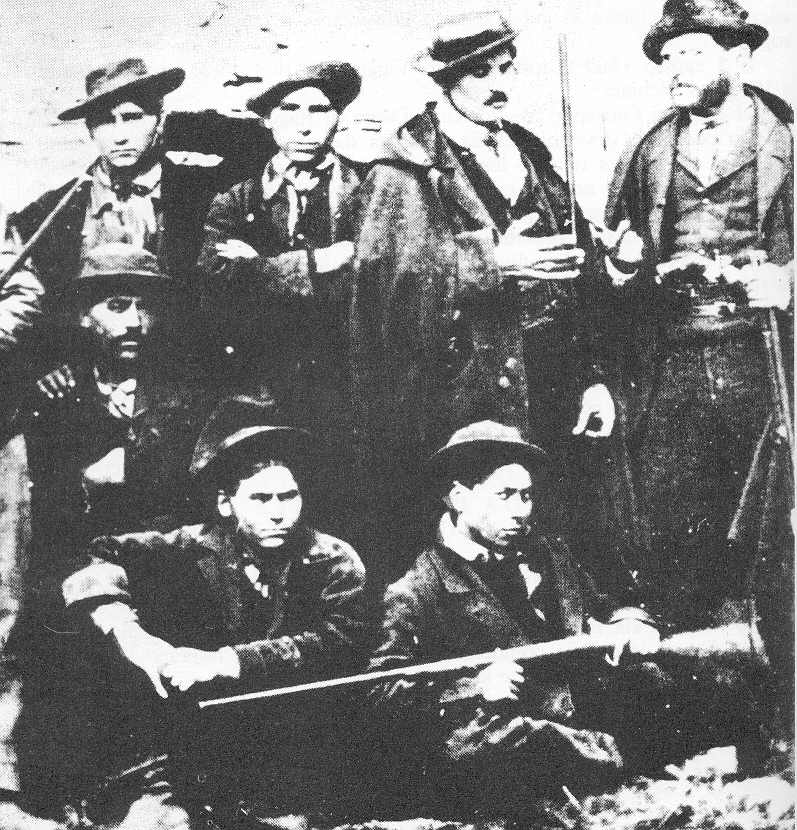


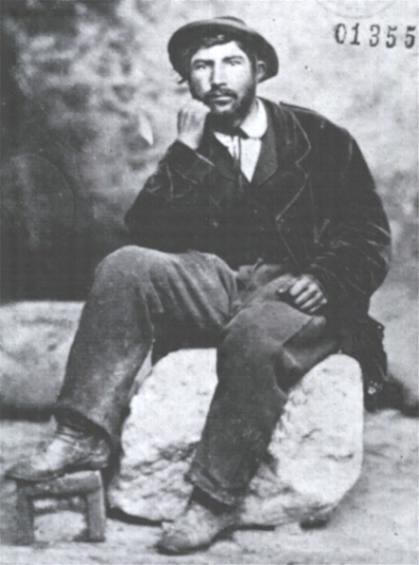
Origins and early life
Crocco came from Rionero in Vulture, in the region known as Basilicata. Like many young men of his class and time, his life was shaped by military service, local poverty, and weak state institutions. An episode during his service — the killing of a fellow soldier in a brawl — set him on a collision course with the law. He later participated in Giuseppe Garibaldi's expedition in 1860, hoping that military service would secure a pardon, but the expected clemency did not materialize and he found himself pursued by authorities.
Leadership of brigand bands
After escaping custody with the aid of local allies — including a family tied to the old Bourbon regime — Crocco emerged as a central figure in the wave of brigandage that followed Italian unification. Recruiting among disaffected peasants and deserters, he commanded bands that at times numbered in the low thousands and struck across parts of Campania and Basilicata. He fought on behalf of the deposed Bourbon monarchy and sought to reverse the new Savoyard administration, replacing local officials with representatives loyal to the Bourbon crown and publicly repudiating symbols of the new regime.
Methods, conflict and capture
Crocco’s forces combined traditional banditry with irregular warfare: ambushes, raids on supply lines, and rapid dispersal into rugged terrain. Their intimate knowledge of the countryside allowed sustained harassment of newly formed national guards and Piedmontese troops. Over several years this guerrilla campaign became one of the most persistent security problems for the new Italian state. The tide turned when internal betrayal exposed Crocco’s hideouts; after seeking refuge beyond the state borders, including an appeal for protection in the Papal States, he was arrested by authorities there, handed over to Italian officials, and condemned. His death sentence was commuted to life imprisonment; he died in custody in Portoferraio, on the island of Tuscany.
Legacy and historical debate
Crocco’s life sits at the intersection of crime, politics and social protest. Contemporary and later accounts diverge: government records and some historians label him a violent criminal and murderer, while other writers, oral traditions, and many in the southern population view him as a folk hero who embodied the grievances of the rural poor during and after Italian unification. Cultural portrayals in books, songs and films have reinforced both images.
Key points and distinctions
- Political context: Crocco's activity took place within the turbulent aftermath of the Risorgimento, when loyalty to the Bourbon kings and opposition to the new Savoyard state could overlap with criminal activity.
- Military role: He combined small‑unit guerrilla tactics with attempts to administer captured towns in the name of the old monarchy, attracting men who opposed the new order.
- Contested memory: Whether regarded primarily as an outlaw or a social resistor, Crocco remains a symbol of the deep divides that accompanied Italy's unification; his story is still debated by historians and commemorated in popular memory as a complex legacy and a subject of regional identity.
For further reading on Crocco and the wider phenomenon of southern brigandage, see biographical and regional studies that explore how local social conditions, the collapse of ancien régime structures, and the policies of the new state combined to produce prolonged violence after unification. Additional context is available regarding military leaders, peasant revolts, and the diplomatic dimensions of sanctuary and extradition during that period.
Italian | Outlaw | Bourbon | Savoy | Folk hero
Related references and primary documents may be consulted for precise dates, trial records and contemporary press coverage available in specialized historical archives and regional collections. More general treatments of the era place Crocco among the most prominent leaders of post‑unification brigandage and a lasting symbol of the social tensions of southern Italy in the nineteenth century.
Birth • Year • Death • Obituary • Brigandage • Basilicata • Bourbon cause • Campaigns • Opposition to Savoy • Papal refuge • Prison • Memory • Unification
Related articles
Author
AlegsaOnline.com Carmine Crocco: Brigand leader of post‑Unification Italy Leandro Alegsa
URL: https://en.alegsaonline.com/art/116025
Sources
- Carmine Crocco