
Folklore: traditional expressive culture, forms, history, and significance
Overview of folklore — the stories, music, rituals, beliefs and customs of communities, their forms and study (folkloristics), history, cultural roles, and ways to preserve and engage with living traditions.
Folklore is the body of a people's traditional expressive culture and the practices through which that culture is shared. It embraces expressive culture in many modes: verbal tales and stories, song and music, communal dance, legends and myths, recorded or remembered oral history, short sayings like proverbs, everyday jokes, persistent popular beliefs, local customs, and other informal cultural expressions.
Image gallery
10 Images
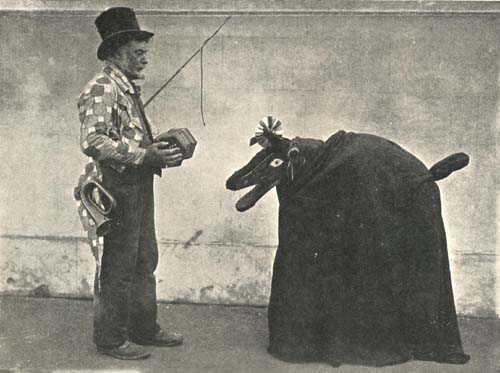
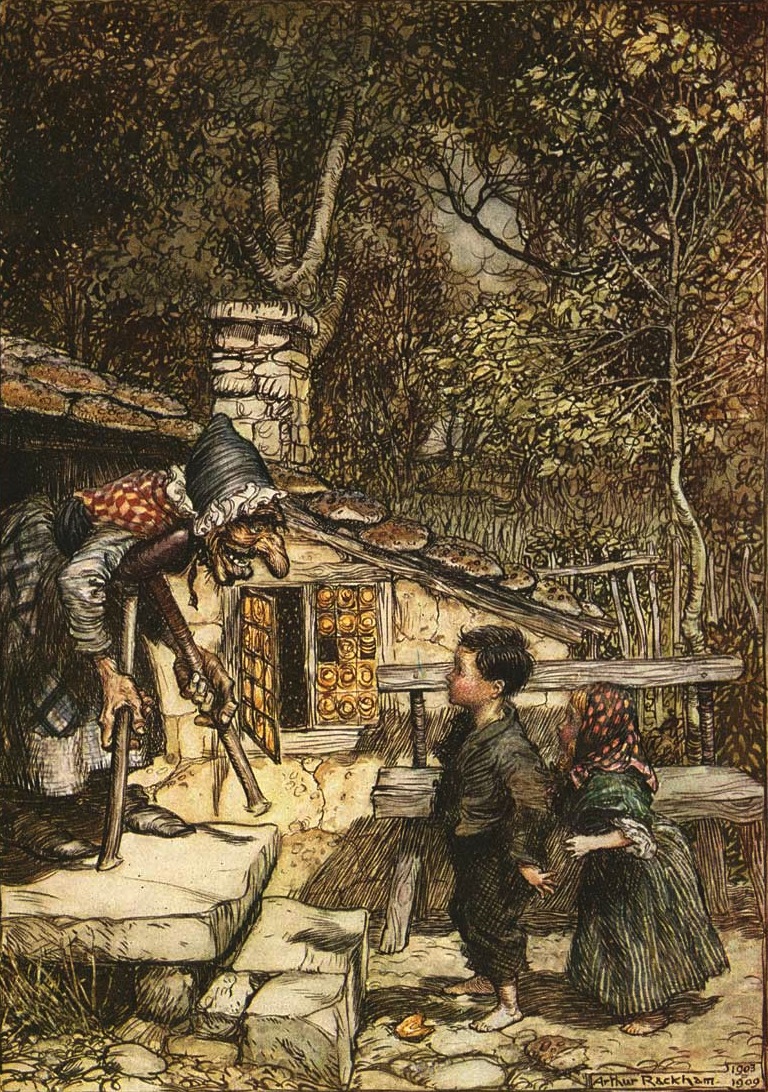
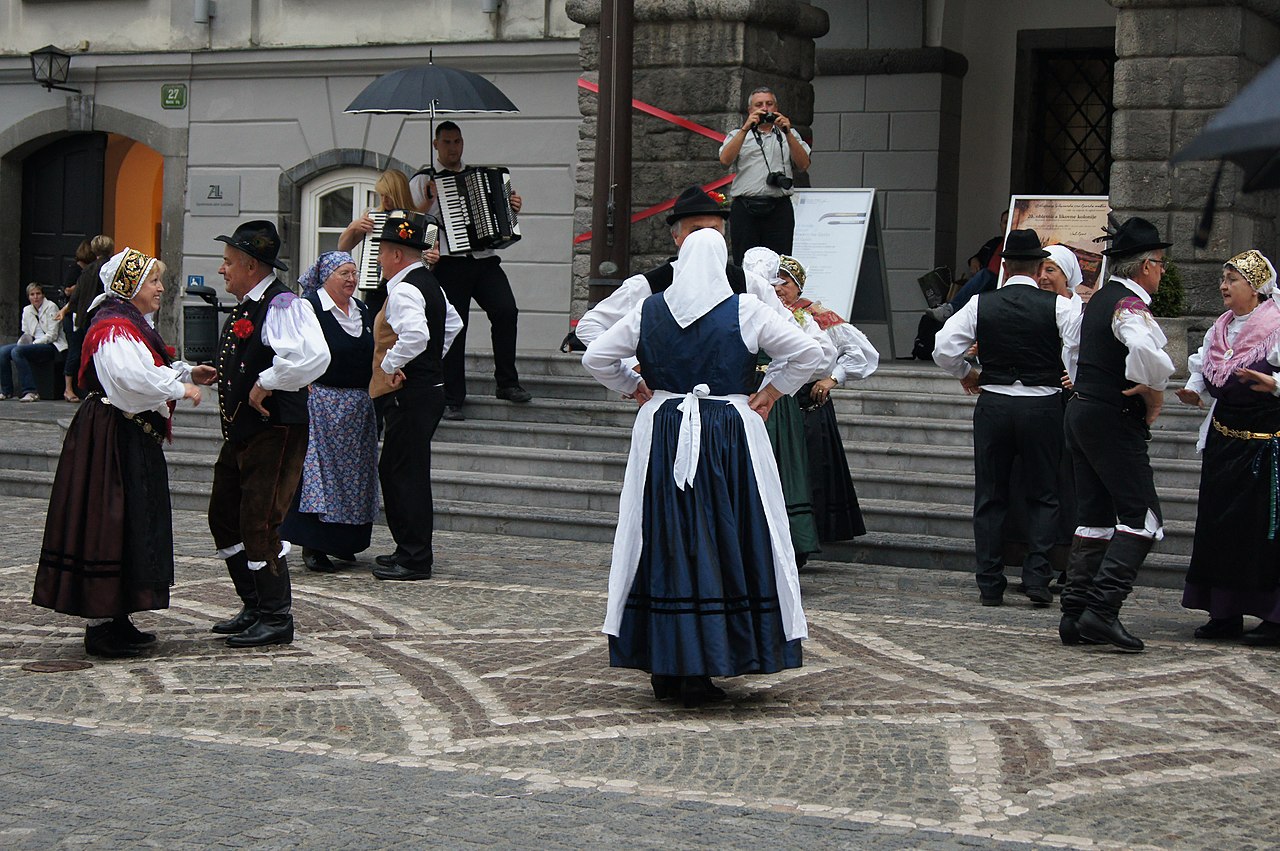

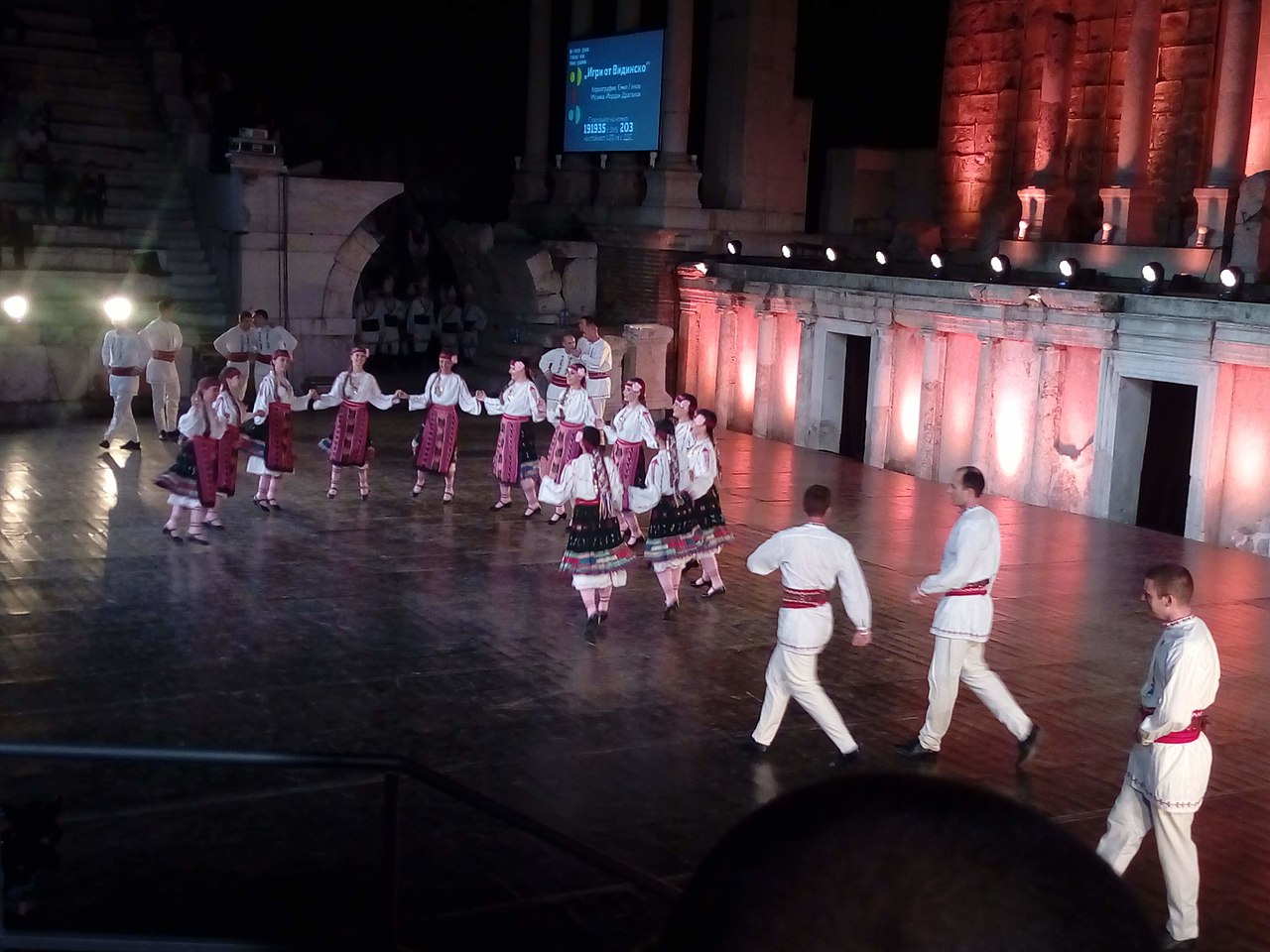


Characteristics and common forms
Folklore is typically transmitted outside formal institutions, often by word of mouth, imitation, or performance. It can be material (handicrafts, architecture), verbal (tales, riddles, proverbs), or enacted (rituals, dances, festivals). Many traditions survive in both local oral traditions and in broader popular culture, or within a particular subculture or social group. Well‑known folktales such as Little Red Riding Hood illustrate how motifs and plot structures travel and adapt.
History and academic study
The systematic collection and study of folklore grew in the 19th century alongside movements that valued vernacular culture. The scholarly discipline, often called folkloristics, uses fieldwork, archival research and comparative methods to document traditions and trace how they change. Researchers distinguish between living practice and collected texts, and they note how collectors and media can reshape materials.
Functions and importance
Folklore performs many social roles: it transmits values and memory, encodes practical knowledge, creates group identity, and provides material for creativity and critique. Folktales, proverbs, jokes and rituals can teach, entertain, comfort, or resist dominant narratives. Contemporary popular media often borrows from or reinvents folklore, producing urban legends and new variants that circulate widely.
Preservation, revival, and engagement
Because folklore is dynamic rather than static, preservation efforts balance documentation with respect for living contexts. Communities, archives, museums, festivals and educational projects all play parts in safeguarding traditions. Ways to engage include field recording, participating in local celebrations, supporting community‑led archives, and consulting collections for comparative study. Practical steps include:
- Attending or recording local performances and dances and music.
- Collecting oral narratives and oral history with permission.
- Studying proverbs, jokes and customs in context rather than as isolated curiosities (proverbs, jokes, customs).
- Exploring how traditions appear in both popular culture and small community subcultures.
Notable distinctions in the field highlight that folklore is not merely antiquarian: it continually adapts, borrows, and invents. Its study requires attention to performance, context, authorship, and power dynamics between collectors and communities. For introductory overviews and more examples, many public collections and community projects offer accessible materials and guidance for respectful participation.
Related articles
Author
AlegsaOnline.com Folklore: traditional expressive culture, forms, history, and significance Leandro Alegsa
URL: https://en.alegsaonline.com/art/35378