
William Tell: Swiss folk hero and founding legend
William Tell is a legendary Swiss marksman whose story — including the apple-shot — became a symbol of resistance and Swiss independence, inspiring literature, music, and national identity.
Overview
William Tell is a legendary figure from Swiss folklore often portrayed as a skilled crossbowman who defied oppressive rule. The core tale presents Tell as a free-spirited man who refused to bow to a symbol of authority erected by occupying forces and was punished by being forced to perform a deadly test: shoot an apple from his own son's head. The story appears in traditional accounts and later cultural works as an emblem of individual courage and resistance to tyranny. Modern discussions treat Tell as a mixture of folklore and possible historical memory rather than as a firmly documented historical person.
Image gallery
10 Images




The legend
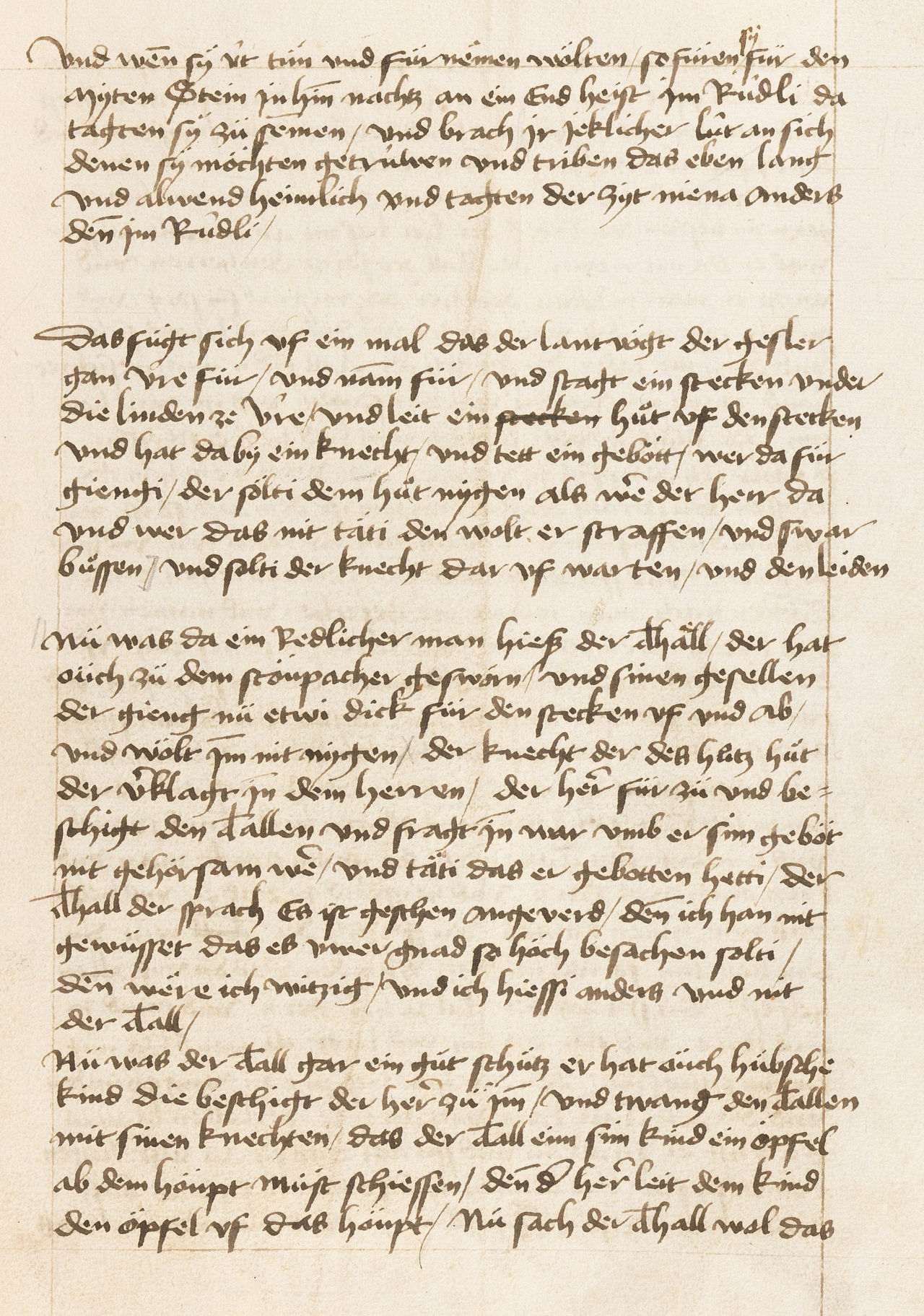
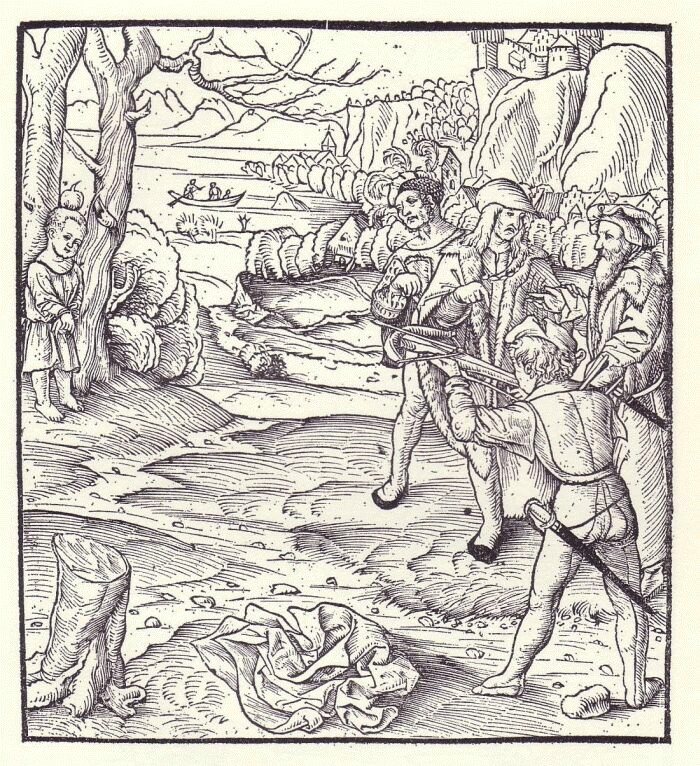
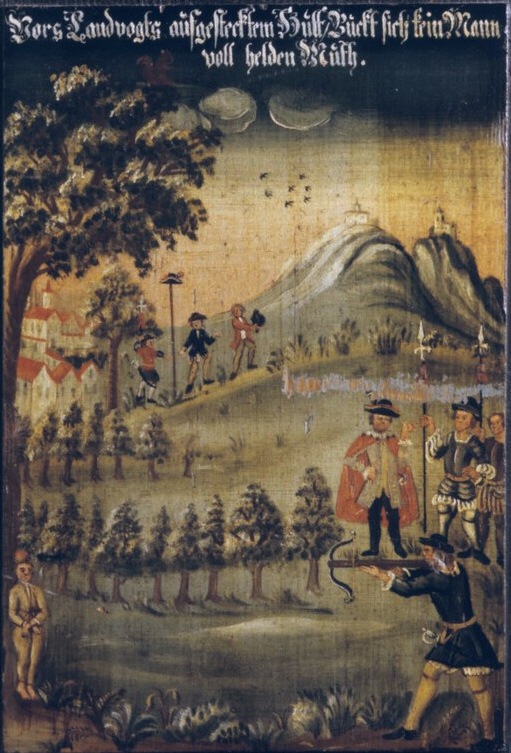
In the standard narrative Tell refuses to salute a pole or hat set up by an occupying bailiff. As punishment he is ordered to shoot an apple off his son's head; if he fails both will be executed. Tell successfully splits the apple with a single bolt and spares his son. Some versions add that he concealed a second bolt, which he later used to kill the bailiff and spark a local uprising. This dramatic scene — the apple shot — and the crossbow that enables it are central to the tale and its symbolism.
Origins and historic debate
The Tell story enters written records in medieval Swiss chronicles, most notably a 14th-century compilation that preserved regional traditions. Historians debate whether Tell reflects an actual individual, a composite of local rebel figures, or a legend shaped to explain the early Swiss confederation's origins. While archaeological and documentary evidence for a single historical Tell is lacking, the narrative played a role in how Swiss communities imagined their emergence from feudal domination.
Cultural impact and adaptations
The Tell legend has been adapted across arts and media and remains a potent national symbol. It inspired plays and operas, most famously a Romantic-era drama that brought the story to wider European audiences, and an orchestral overture that is still widely performed. Statues, place names, and public commemorations in Switzerland reflect Tell’s place in national memory. The story is also taught as a moral tale about courage and resistance to unjust authority.
Notable elements and links
- Key motif: the apple-shot and the crossbow as tests of skill and conscience.
- Symbolic use: national independence, civic liberty, and popular resistance.
- Further reading: early chronicles and modern scholarship examine the tale’s transmission and meaning; see folk hero studies and regional histories such as those of Switzerland.
- For versions of the dramatic apple episode see collections of folktales and literary adaptations at apple-shot accounts and sources about historical weapons like the crossbow.
Whether regarded as myth or memory, William Tell remains one of the most recognizable figures associated with Swiss identity and the broader European tradition of heroic folklore.
Related articles
Author
AlegsaOnline.com William Tell: Swiss folk hero and founding legend Leandro Alegsa
URL: https://en.alegsaonline.com/art/108305