
Folkvangr: Freyja's Field in Norse Afterlife Belief
Folkvangr (Old Norse Fólkvangr) is the meadow where the goddess Freyja receives part of those slain in battle. It appears in the Old Norse sources and contrasts with Odin’s Valhalla.
Overview
Folkvangr, often anglicized as Folkvang or spelled Fólkvangr in Old Norse, is a location in Norse mythology associated with the goddess Freyja. The name is commonly rendered as “field of the folk” or “people’s field.” In surviving medieval sources the site is described as the place where Freyja receives a portion of warriors slain in battle.
Image gallery
1 Image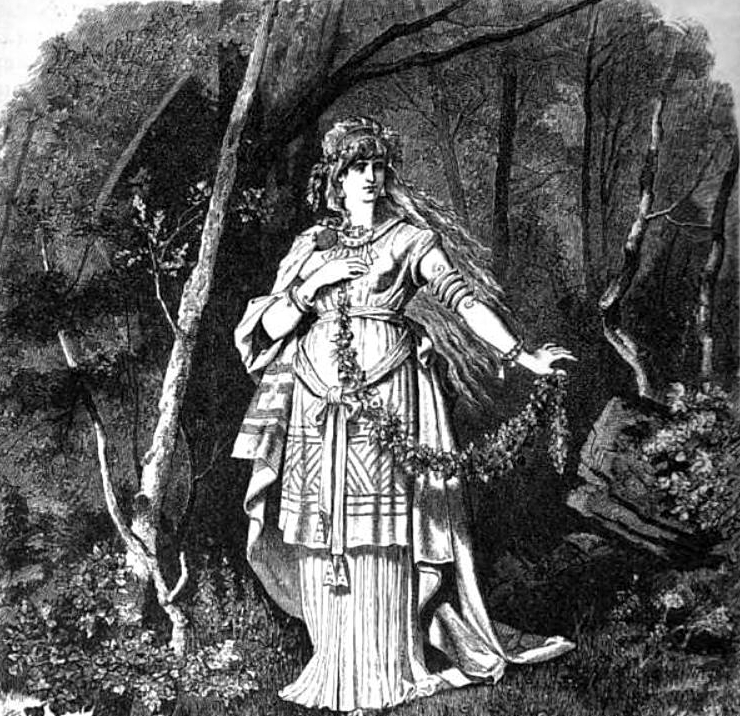
Attestations and sources
References to Folkvangr appear in the Old Norse poetic and prose traditions. Scholars point to mentions in the Eddic material, and it is discussed in later compilations and commentaries cited by editors and translators. Because the references are relatively brief, much of modern understanding depends on interpretation and comparison with other Norse afterlife concepts.
Within the lore Folkvangr is sometimes connected with a hall named Sessrúmnir, presented as Freyja’s dwelling or meeting place in the field. Unlike the richly described Valhalla of Odin, Folkvangr is portrayed more simply as a field or domain under Freyja’s care.
Function and cultural significance
Traditional accounts indicate that the slain do not all go to a single place: Freyja takes half of those killed in battle while the other half are chosen by Odin for Valhalla. This division has been read as reflecting different strands of warrior ideology and cult practice in the pre-Christian North, and it highlights Freyja’s unexpected role as a recipient of the honored dead.
- Etymology: "Fólk" (people) + "vangr" (field, meadow).
- Comparison: Folkvangr vs. Valhalla — two complementary afterlife destinations.
- Hall: Sessrúmnir is associated with Freyja within the field.
Because the evidence is limited, many details remain open to scholarly debate. Folkvangr continues to interest historians, archaeologists, and writers as a sign of the plural and regionally varied nature of Norse beliefs about death, gender, and the sacred. The name and image of Folkvangr also appear in modern fiction, music, and popular culture as a symbol of a feminine, agrarian counterpart to more familiar warrior halls.
For further reading in the Old Norse sources see editions and translations of the Eddas (poetic and prose collections) where concise references to Folkvangr and Freyja’s role can be found.
Related articles
Author
AlegsaOnline.com Folkvangr: Freyja's Field in Norse Afterlife Belief Leandro Alegsa
URL: https://en.alegsaonline.com/art/35380