
Johnny Appleseed (John Chapman) — American pioneer and folk hero
John Chapman, known as Johnny Appleseed, was an early American nurseryman, missionary, and folk figure who planted apple orchards across the Midwest and inspired many legends about wilderness, faith, and conservation.
Overview
John Chapman (September 26, 1774 – March 11, 1847), widely known as Johnny Appleseed, was an American nurseryman and itinerant missionary whose life became the basis for a large body of folklore. Born in Leominster, Massachusetts, he traveled for decades through Pennsylvania, Ohio, Indiana, and Illinois, establishing apple tree nurseries, selling or giving away seedling trees, and living a simple, often solitary life. Chapman’s life has been retold in songs, books, and popular art, so that separating documented fact from legend requires care.
Image gallery
8 Images


Planting practices and orchards
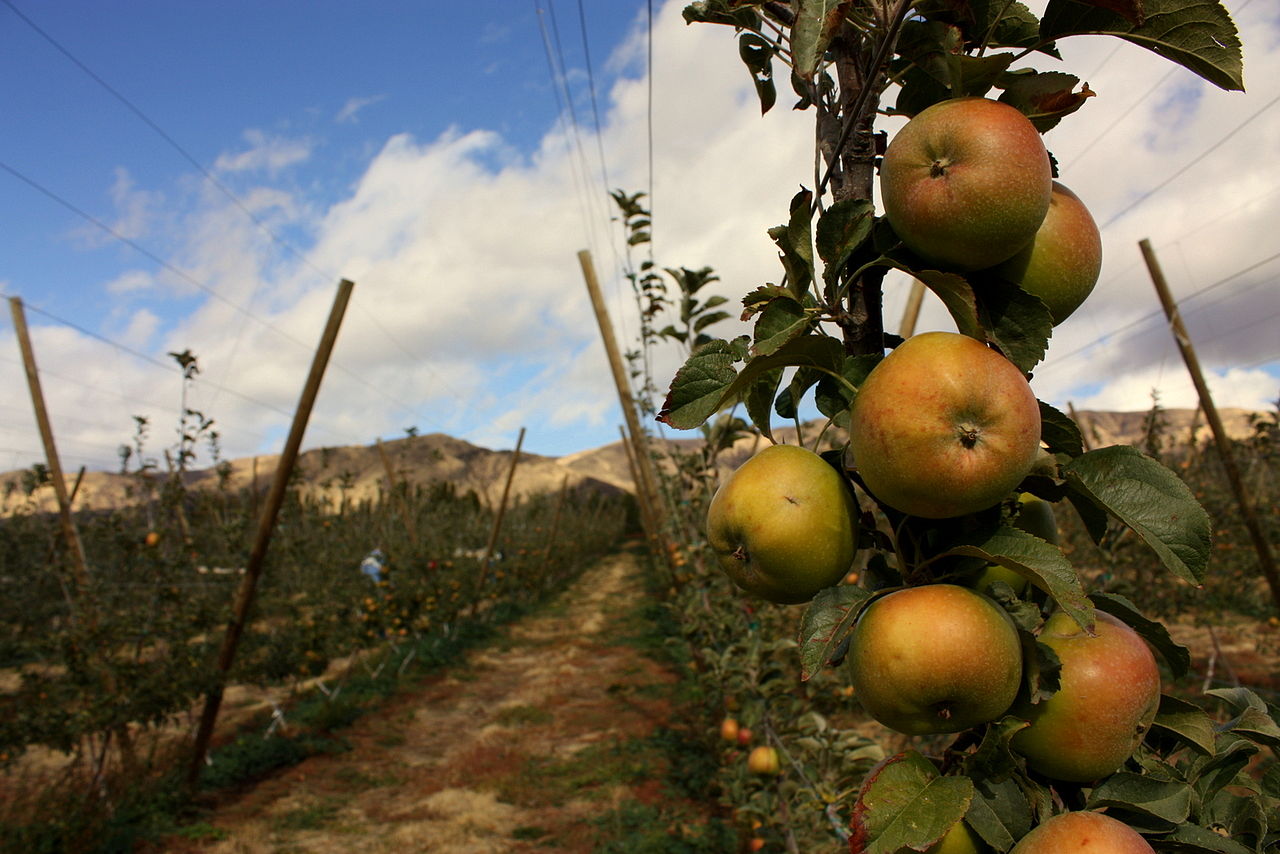
Contrary to the common image of scattering seeds as he walked, Chapman usually operated planned tree nurseries. He would sow seeds, protect young trees with fences, and later sell or transplant the saplings to settlers. Because he planted from seed rather than grafting, most of his trees produced cider and cooking varieties rather than the sweeter dessert apples grown from grafted cultivars today. His activities helped shape early frontier agriculture by providing settlers with hardy fruit trees and by encouraging settlement along transportation routes.
Beliefs, relationships, and daily life
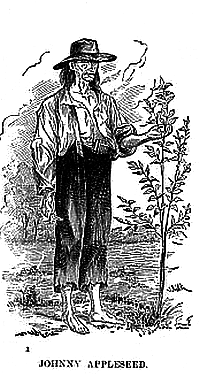
Chapman combined his horticultural work with religious conviction. He was influenced by the Swedenborgian faith (commonly called the New Church) and often shared religious teachings as he traveled. He developed friendly relations with many Native American groups and with frontier settlers, and numerous stories emphasize his kindness to people and animals. Popular images show him barefoot and wearing a cooking pot as a hat; such depictions capture the spirit of the lore even if they are sometimes exaggerated.
Myth versus recorded history
The popular Johnny Appleseed is a blend of verifiable actions and later embellishment. Contemporary documents—land records, nursery deeds, and eyewitness accounts—confirm Chapman’s nurseries, land ownership in parts of Ohio and Indiana, and his extended travels. Folkloric episodes, such as speaking to wild animals or living in total isolation, are harder to verify and often represent the moralizing or romantic impulses of later storytellers. Historians treat Chapman as both a real person and a cultural symbol.
Legacy and cultural impact
Chapman’s legacy is multifaceted: he is remembered as an early frontier nurseryman, a communicator of religious ideas, and a symbol of conservation-minded simplicity. His name appears in children's literature, songs, and annual celebrations, and sites associated with his life—birthplace markers, grave sites, and preserved orchards—are points of local heritage. The apples grown from his seedings contributed to cider-making and household food supplies on the frontier, rather than to modern supermarket varieties.
Key facts and references
- Folk hero status developed through stories and media.
- Often described as a pioneer and early conservation figure.
- Worked as a Christian missionary associated with Swedenborgian ideas.
- Nicknamed for planting apples; he propagated apple trees across the Midwest.
- His work involved establishing apple nurseries and protecting young trees.
- He traveled widely through the country, sometimes barefoot and with distinctive clothing such as a cooking pot used as a hat.
- He read and taught from the Bible in frontier communities.
- Accounts emphasize friendships with Native Americans and an affinity for wild animals.
- Stories about Chapman inspired many works of art, books, and later movies or dramatizations.
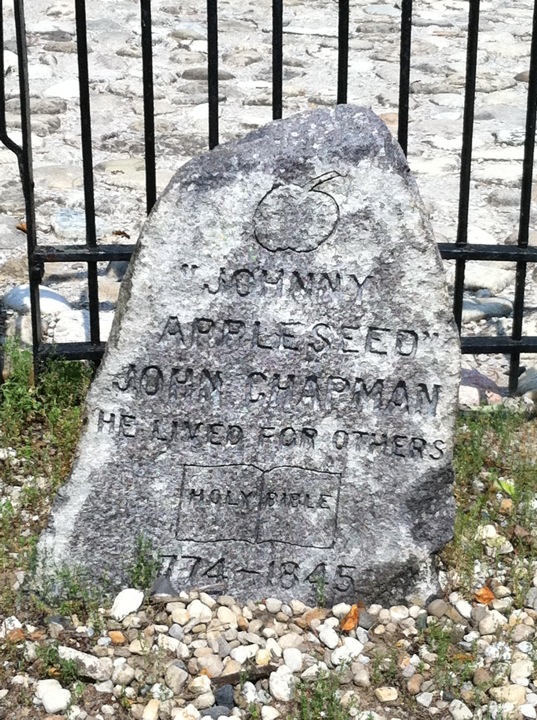
He was born in Leominster, Massachusetts, and is buried in a public cemetery near Fort Wayne, Indiana. For further reading and source documents, consult regional historical societies and collections that preserve early nursery records and contemporary references to John Chapman.
Questions and answers
Q: Who was John Chapman?
A: John Chapman was an American folk hero, Christian missionary, and pioneer.
Q: How did John Chapman get the nickname "Johnny Appleseed"?
A: John Chapman got the nickname "Johnny Appleseed" from the fact that he planted apple trees throughout the American Midwest.
Q: What is John Chapman known for besides his tree-planting activities?
A: Besides his tree-planting activities, John Chapman is known for being a Christian missionary, teaching the Bible, telling stories, and befriending Native Americans, wild animals, and other settlers.
Q: Why do some people consider John Chapman an early conservationist or "tree-hugger"?
A: Some people consider John Chapman an early conservationist or "tree-hugger" because of his passion for planting trees and preserving nature.
Q: How did John Chapman travel throughout the country?
A: John Chapman traveled throughout the country usually barefoot and with a cooking pot on his head for most of his adult life.
Q: Where was John Chapman born?
A: John Chapman was born in Leominster, Massachusetts.
Q: Where is John Chapman buried?
A: John Chapman is buried in Johnny Appleseed Park in Fort Wayne, Indiana.
Related articles
Author
AlegsaOnline.com Johnny Appleseed (John Chapman) — American pioneer and folk hero Leandro Alegsa
URL: https://en.alegsaonline.com/art/50877