
Abraham Lincoln — 16th President of the United States and leader during the Civil War
Overview of Abraham Lincoln (1809–1865): his rise from frontier lawyer to 16th U.S. president, wartime leadership, emancipation measures, assassination, and long-standing legacy.
Overview
Abraham Lincoln (February 12, 1809 – April 15, 1865) served as the 16th President of the United States. He led the federal government through the crisis of national disunion in the early 1860s and presided over the nation during the American Civil War, a conflict that permanently reshaped the country.
Image gallery
10 Images




Early life and political rise
Born on the American frontier, Lincoln had a modest formal education and worked as a self-taught lawyer and legislator in Illinois. His political career moved from the state legislature to the national stage, where he became a leading voice in the emerging Republican Party. His debates and campaigns brought him to national prominence as tensions over the future of the United States intensified.
Presidency and wartime leadership
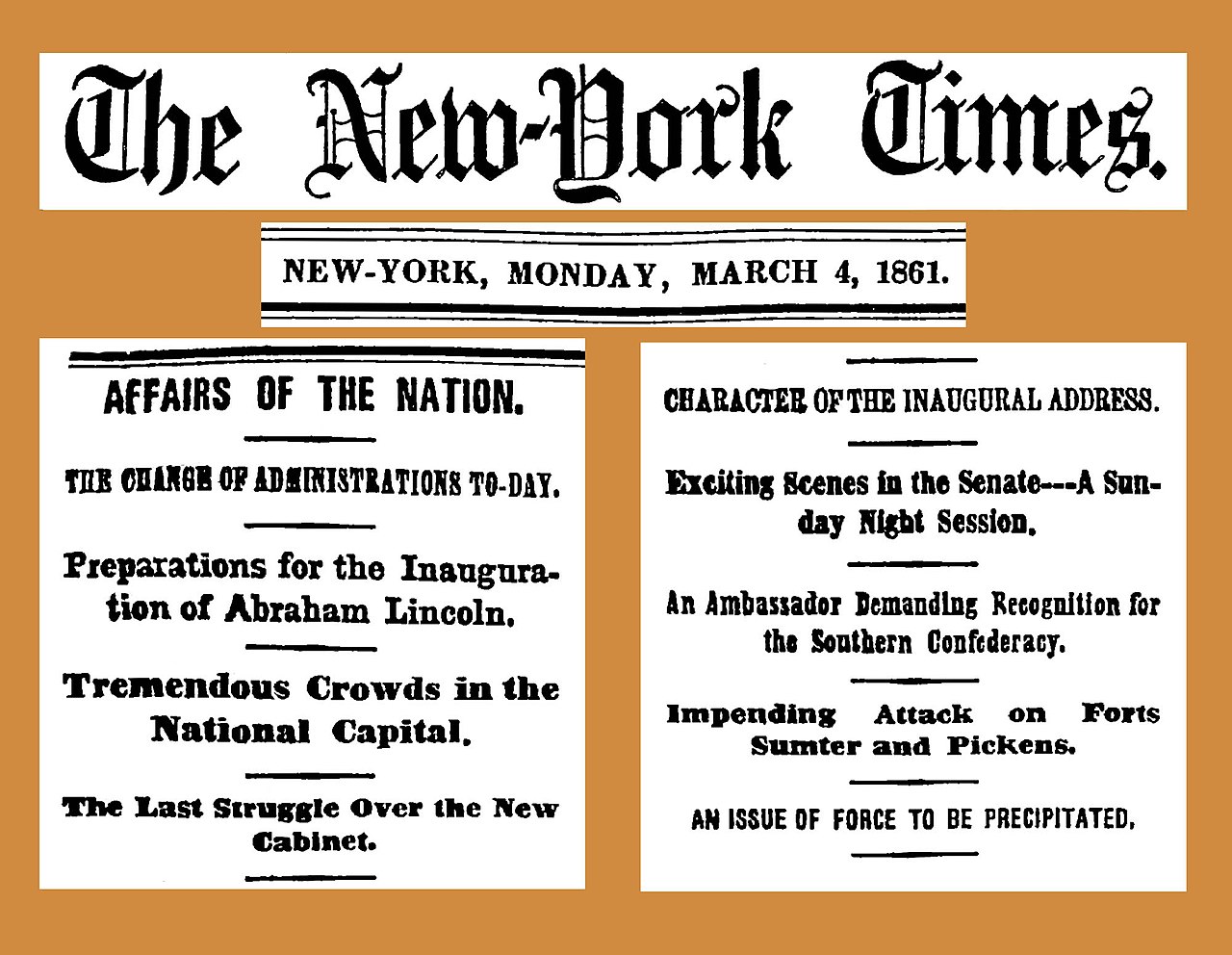
Lincoln was elected in 1860 at a time when several southern states chose to secede. As president he focused on preserving the Union and directing the war effort while balancing legal and political constraints. His leadership combined careful coalition-building with decisive use of executive authority, aiming to restore federal control and end the rebellion.
Emancipation and policy
Over the course of the war Lincoln moved toward policies intended to weaken the Confederacy and redefine freedom in the nation. Most notably, he issued measures that declared the freedom of many enslaved people in rebelling states and set a federal course away from the institution of slavery. He also supported measures to organize freed people, enlist Black soldiers, and advance legal changes that would bind the Union together in peace.
Assassination and legacy
Just days after major Confederate surrenders, Lincoln was shot by John Wilkes Booth while attending a theater performance; this act of violence is described in contemporary records as an assassination, and is treated as one of the defining moments of the era. The event and his death are often referenced in histories of the period and in discussions of presidential security during and after the war.
- First U.S. president to be assassinated, a turning point in national mourning.
- Remembered for preserving the Union and advancing measures against slavery.
- Subject of extensive memorialization: monuments, museum collections, and civic remembrance.
- His speeches and writings remain widely cited in discussions of democracy and rights in the United States.
Lincoln's life and presidency continue to be studied for their legal, political, and moral complexity: his decisions were shaped by wartime necessity, public opinion, and evolving views about freedom and national identity. Historians examine both his achievements and limits to understand how the modern nation-state emerged from a violent crisis.
Questions and answers
Q: When was Abraham Lincoln born?
A: Abraham Lincoln was born on February 12, 1809.
Q: When did he become the 16th President of the United States?
A: Abraham Lincoln became the 16th President of the United States in 1861.
Q: Who assassinated him?
A: John Wilkes Booth assassinated Abraham Lincoln.
Q: When did this happen?
A: Abraham Lincoln was assassinated in 1865, just five days after most of the Confederate forces had surrendered and the war was ending.
Q: What is he remembered for?
A: Abraham Lincoln is remembered as the "Great Emancipator" because he worked to end slavery in the United States.
Q: How long did he serve as president before his assassination?
A: Abraham Lincoln served as president from 1861 until his assassination in 1865, a total of four years.
Q: Was he the first US president to be assassinated?
A: Yes, Abraham Lincoln was the first US president to be assassinated.
Related articles
Author
AlegsaOnline.com Abraham Lincoln — 16th President of the United States and leader during the Civil War Leandro Alegsa
URL: https://en.alegsaonline.com/art/113256
Sources
- yale.edu : "Lincoln"
- showcase.netins.net : "Lincoln Trail Homestead State Park"
- books.google.com : Speeches and Writings 1859-1865
- quotablelincoln.com : "Biography of Lincoln"
- nps.gov : "Lincoln on Slavery"
- quod.lib.umich.edu : "Protest in Illinois Legislature on Slavery"
- nationalcenter.org : "A House Divided Against Itself Cannot Stand"
- history.com : "Abraham Lincoln"
- epinions.com : Abe Lincoln's Hat Step into Reading Books Series A Step 2 Book by Martha Brenner Books
- il.ngb.army.mil : Captain Abraham Lincoln
- america.gov : "Outline of U.S. History"
- showcase.netins.net : "Last Public Address"
- history.co.uk : "Abraham Lincoln"
- history-world.org : "Ranking Our Presidents"
- gallup.com : "Americans Say Reagan Is the Greatest President"