
Simón Bolívar
Venezuelan military and political leader (1783–1830) who led independence movements across northern South America and played a central role in the short-lived state of Gran Colombia.
Overview
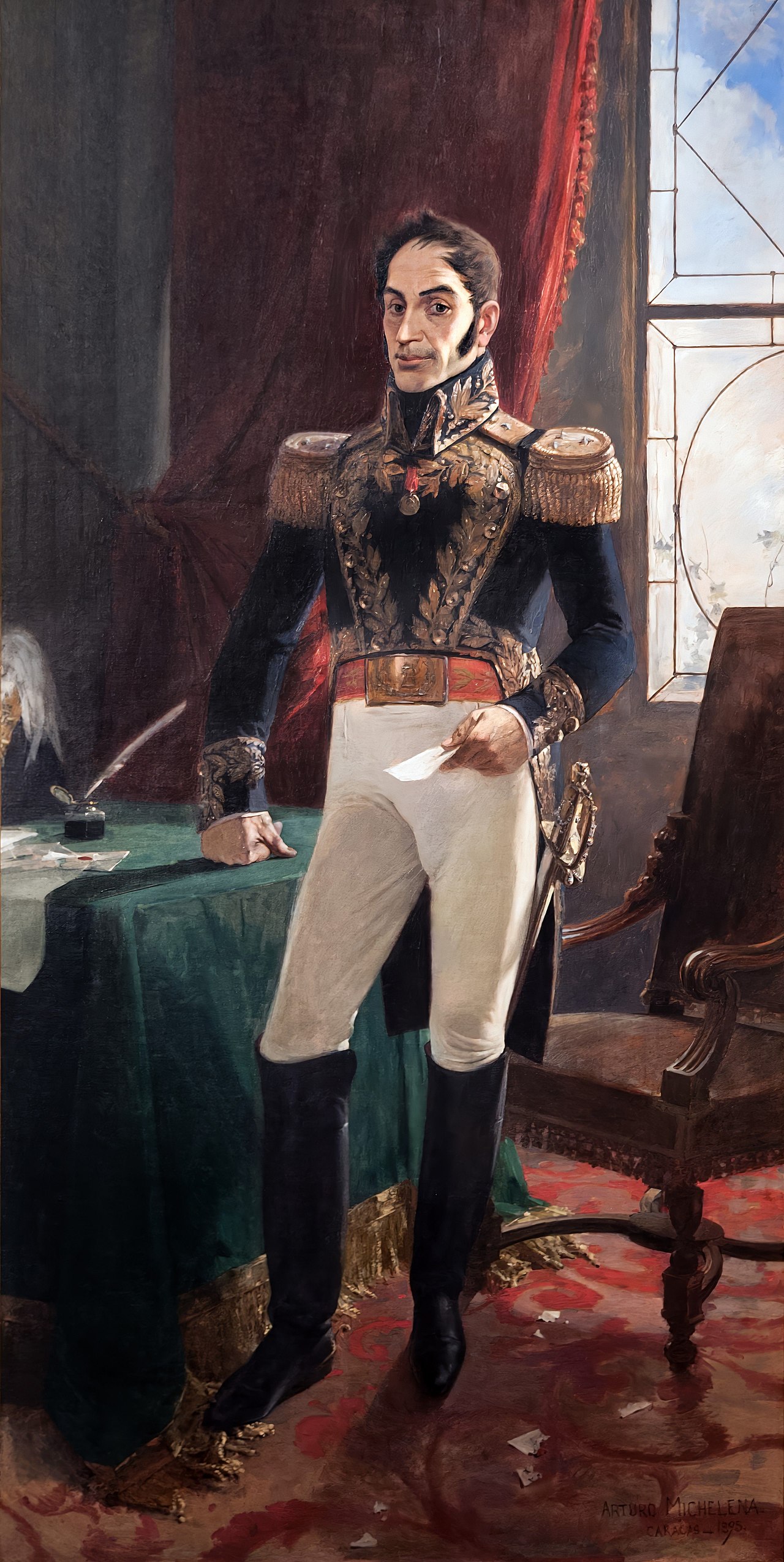
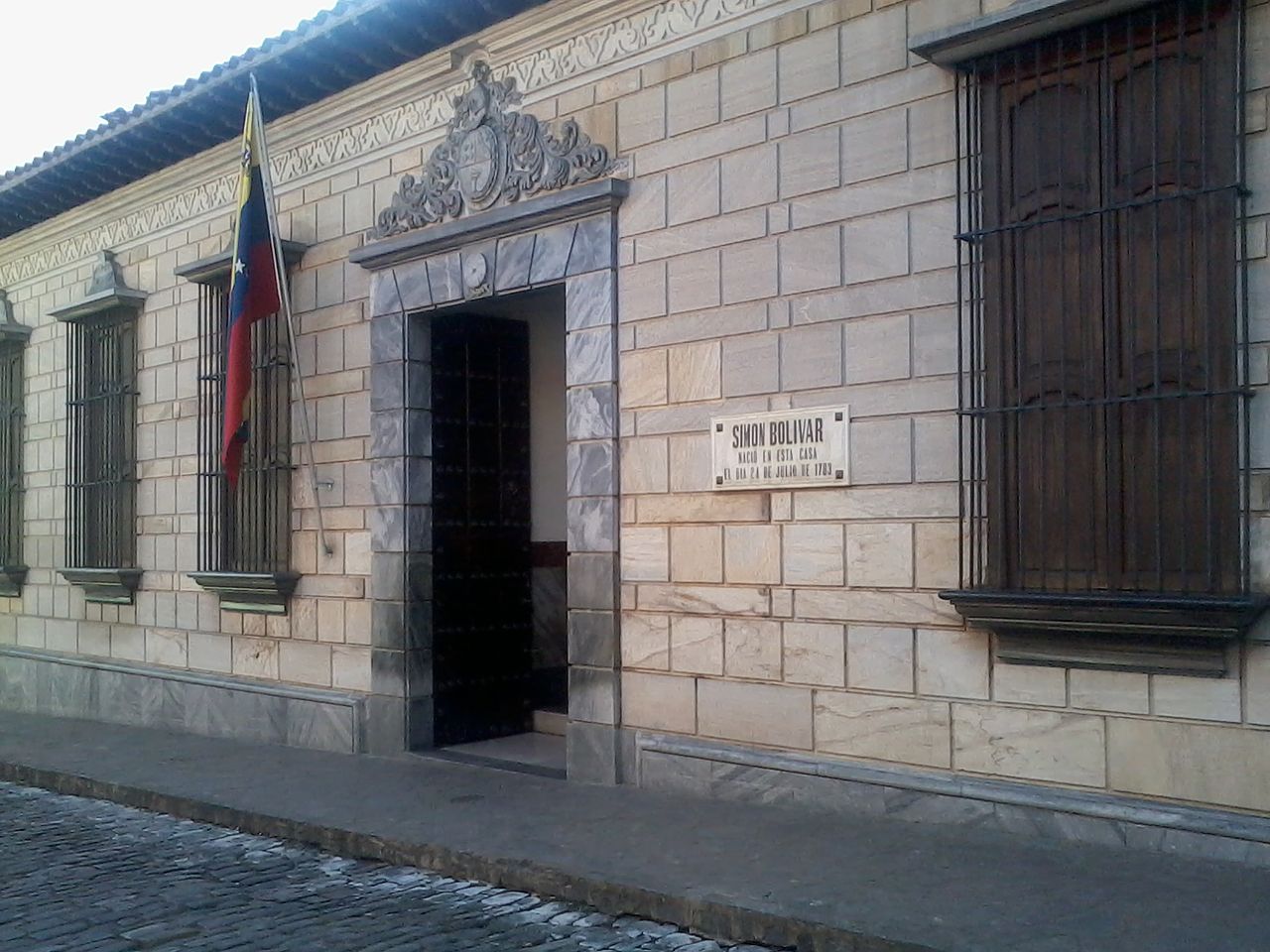
Simón Bolívar (1783–1830) was a Venezuelan soldier, statesman and liberator whose campaigns ended Spanish rule over much of northern South America. Born in Caracas, in what is now Venezuela, Bolívar became the most prominent leader of the independence movements that reshaped the continent in the early 19th century. His name is closely associated with the broad project of emancipation from Spanish colonial control in South America.
Image gallery
10 Images




Background and characteristics
Bolívar descended from an aristocratic creole family and received education in Europe, where he absorbed Enlightenment and republican ideas. He combined personal charisma with military skill and a vision of political unity. Bolívar was noted for his daring campaigns across difficult terrain, his use of fast-moving cavalry and infantry columns, and his efforts to forge alliances among diverse local forces.
Campaigns and states freed
Between 1810 and the late 1820s Bolívar led or directed military operations that secured independence for several territories. His campaigns culminated in decisive victories that opened the way to government formation and the withdrawal of Spanish forces. The principal modern countries that trace their independence in significant part to Bolívar's campaigns include:
Political role and Gran Colombia
After military successes, Bolívar attempted to translate victory into political structures. He served as the leading figure and at times president of Gran Colombia, a federation that united territories of present-day Colombia, Venezuela and Ecuador for a short period. Bolívar advocated constitutional arrangements that balanced strong executive authority with liberties, but regional differences, economic strains and local rivalries undermined the union.
Legacy and distinctions
Bolívar's legacy is complex: he is celebrated as a liberator and national founder across much of Latin America, while historians also debate his political choices and the limits of his vision for unity. Cities, institutions and an entire country—Bolivia—bear his name. His life and ideas continue to be studied as central to understanding the transition from colonial rule to independent republics in the Americas.
For further reading about his early life, campaigns and political writings consult dedicated biographies and documentary collections available through academic and national archives. Caracas and other historical sites preserve monuments and museums that interpret his story for visitors and scholars alike.
Related articles
Author
AlegsaOnline.com Simón Bolívar Leandro Alegsa
URL: https://en.alegsaonline.com/art/90532