
Empire
A political unit in which diverse lands and peoples are ruled under a single supreme authority; empires shaped history through conquest, administration, trade and cultural exchange.
Overview
An empire is a large political formation in which a single sovereign authority rules over multiple territories, peoples or polities. Historically that authority has often taken the form of an emperor, a monarch, or a centralized imperial institution that governs regions which may retain distinct cultures, languages and laws. Empires vary widely in size, structure and legitimacy, from short-lived conquests to centuries-long states that shaped global trade and ideas.
Image gallery
10 Images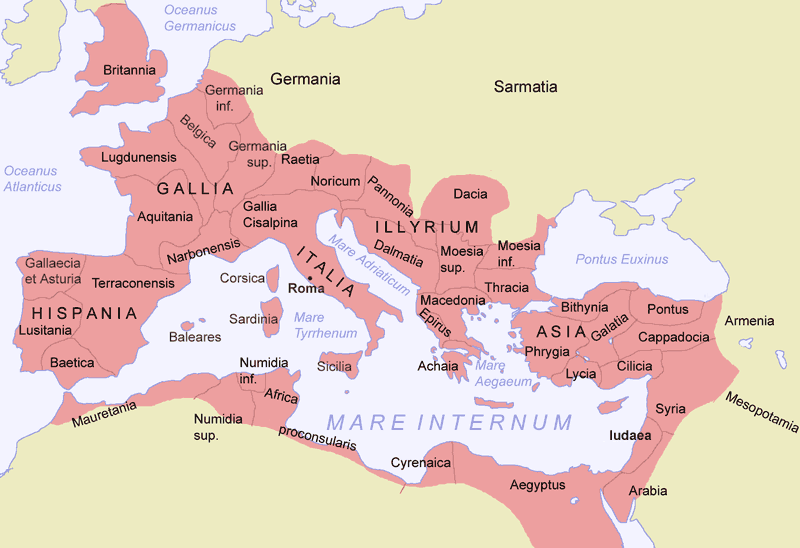




Characteristics and institutions
Empires typically combine military power, administrative systems and economic networks. They rely on mechanisms such as provincial governors, tax systems, roads and postal services, and legal codes to bind far-flung territories together. Some rulers claimed universal or divine sanction; others maintained control through alliances, client states, tributary relationships or colonial administrations. The practical authority of an imperial ruler could range from absolute command to largely ceremonial status under modern constitutions.
Origins, growth and decline
Most empires expanded through conquest, diplomacy and colonization. Expansion could be driven by security concerns, population pressures, trade opportunities, or ideological aims. Over time empires frequently encountered limits: logistical strain, economic cost, local resistance, succession crises, and the challenge of integrating diverse peoples. Internal reform, external invasion, independence movements and changing global systems all contributed to imperial decline.
Types and examples
- Land empires: expansion by contiguous conquest, exemplified by the Mongol Empire and the Aztec Empire.
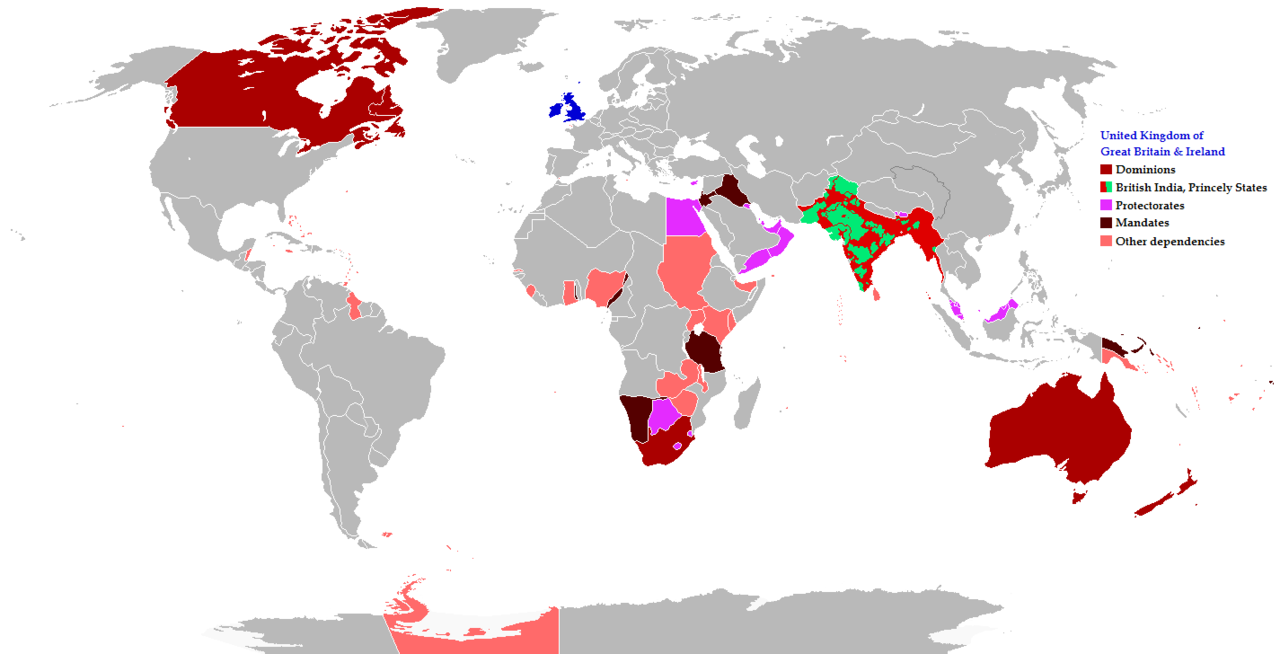
- Maritime or sea empires: built on naval power and overseas colonies, such as the British Empire and the maritime network of the Venetian Empire.
- Hybrid empires: combining land-based control and overseas possessions, like the Spanish Empire.
Notable empires, peoples and events
- Akkadian Empire — often cited among the ancient world's earliest empires.
- Roman Empire — influential across law, language and urban planning in Europe and the Mediterranean.
- Greek Macedonian Empire (Alexander's conquests).
- Holy Roman Empire — a complex medieval confederation in central Europe.
- Russian Empire — a large Eurasian monarchy before the 20th century.
- Mongol Empire — the fastest-growing contiguous land empire in history.
- Aztec Empire and Inca Empire — major pre-Columbian American states.
- Venetian and British maritime powers.
- Vikings and Norse settlements such as Greenland.
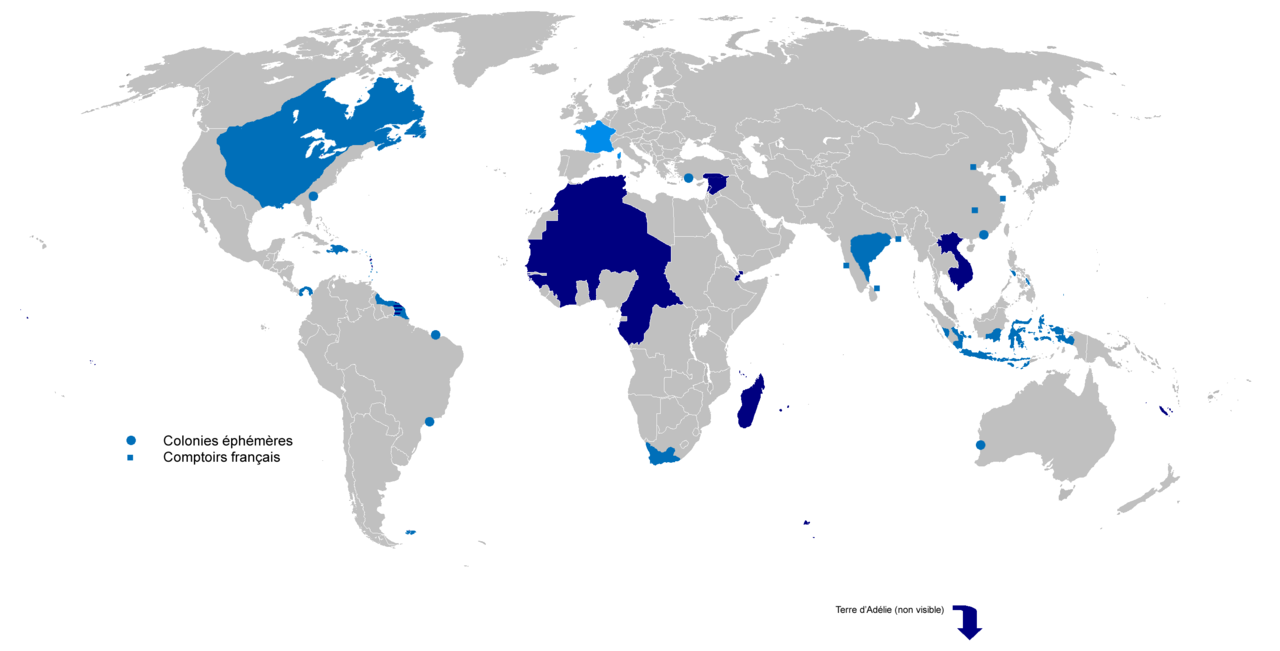
- European exploration and colonization: Christopher Columbus, Spanish, Portuguese, and later English expansion.
- Regional examples and successor states: Russia, Kazakhstan, Kyrgyzstan, Tajikistan, Uzbekistan, Turkmenistan.
- European borderlands and imperial legacies: Latvia, Estonia, Lithuania, Belarus.
- Additional post-imperial states in Eastern Europe and the Caucasus: Ukraine, Moldova, Azerbaijan, Armenia, Georgia.
- Continental regions shaped by empires: North America, South America, Latin America.
- Historical actors in contact and conquest: the Spanish Empire and transatlantic encounters often associated with the discovery of the Americas.
Legacy and modern remnants
Empires left enduring legacies in language, law, infrastructure, demographics and cultural exchange. Some imperial titles survive in ceremonial form: for example the Emperor of Japan remains a constitutional monarch whose role is largely ceremonial, while executive authority is exercised by a prime minister in practice, or de facto political structures. The 20th century saw the formal end of many traditional empires and the emergence of new political entities, including the union established in 1922 that reshaped Eurasian borders.
Related articles
Author
AlegsaOnline.com Empire Leandro Alegsa
URL: https://en.alegsaonline.com/art/31282