
Uzbekistan — geography, history, culture and key facts
Overview of Uzbekistan: a Central Asian nation with rich Silk Road history, Turkic languages, Islamic culture, and distinctive geography including being one of two doubly landlocked countries.
Overview
Uzbekistan is a country in Central Asia that occupies a crossroads of Eurasian trade routes and cultures. Its largest city and political centre is Tashkent, often referred to simply as the capital (capital city). The population totals over 30 million people, making Uzbekistan one of the most populous states in the region. The predominant religion is Islam, and the main spoken language is Uzbek, a member of the Turkic language family broadly related to Turkish and other regional Turkic varieties.
Image gallery
10 Images


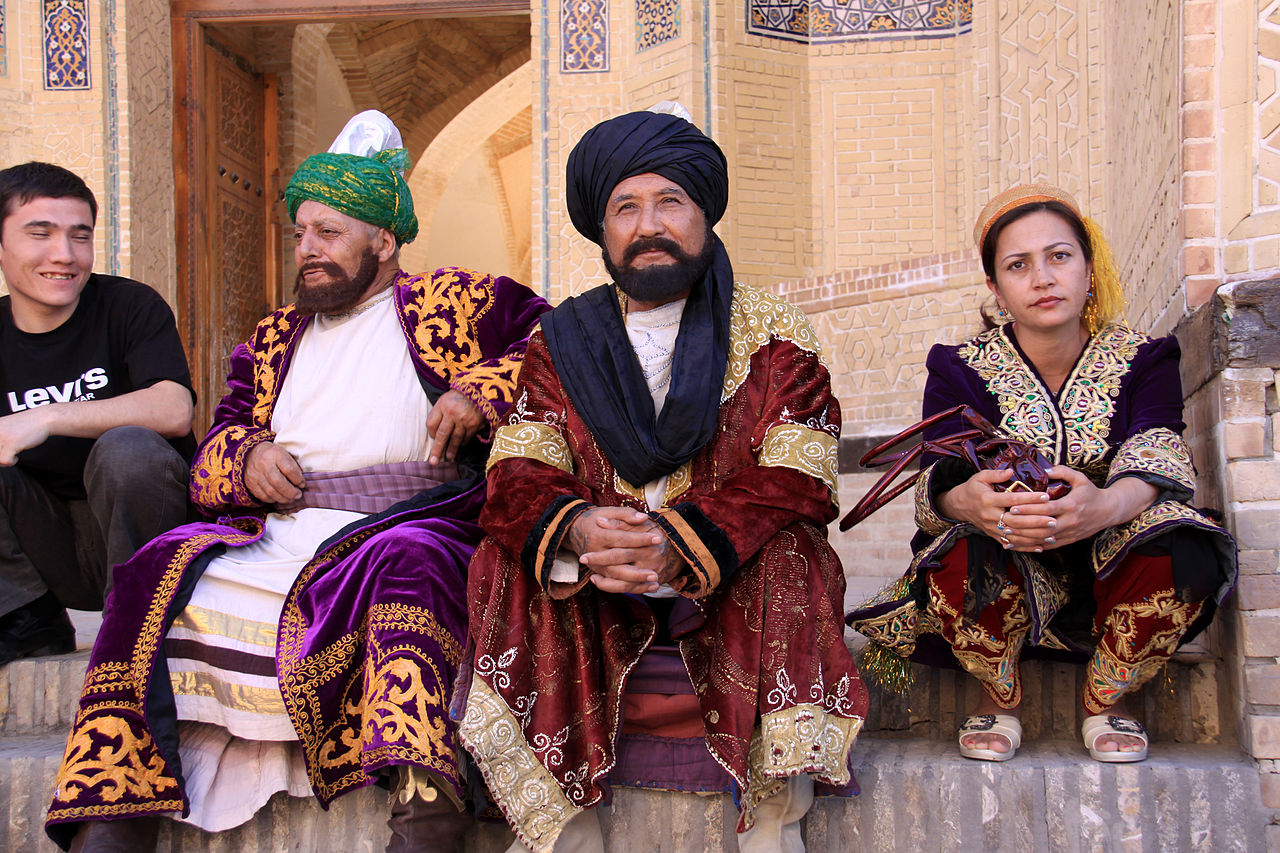


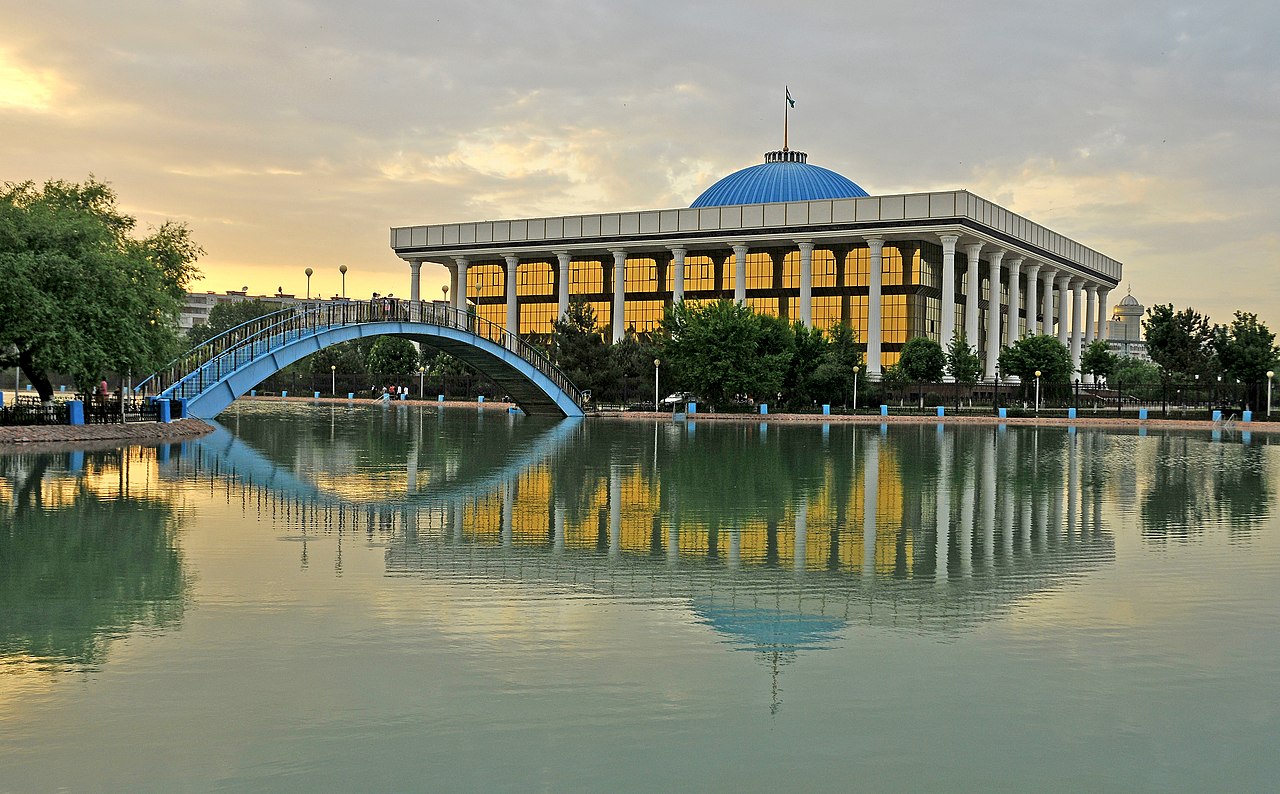
Geography and neighbours
Uzbekistan is bordered by several countries, reflecting its central position in Asia: Kazakhstan, Kyrgyzstan, Tajikistan, Turkmenistan and Afghanistan. It is one of only two countries in the world that are doubly landlocked — that is, surrounded only by other landlocked countries — a distinction noted in geography texts (doubly landlocked). The landscape includes desert basins, river valleys such as the Amu Darya and Syr Darya, and mountain foothills in the east.
History and development
The territory of modern Uzbekistan has been inhabited since ancient times, with archaeological evidence of settlements before the 2nd millennium BC. For centuries it lay on the Silk Road and hosted important cultural centres such as Samarkand, Bukhara and Khiva. Influences of Persian, Turkic and Islamic civilizations combined with the legacy of the Timurid empire to shape distinctive architecture and scholarship. In the 19th and 20th centuries the region was incorporated into the Russian Empire and later the Soviet Union; Uzbekistan declared independence in 1991 following the USSR's dissolution.
Culture, language and economy
Uzbek culture mixes nomadic Turkic traditions with Islamic and Persian elements. The Uzbek language (Uzbek) is widely used in public life, while Russian remains an important language for interethnic communication and administration. The country is known for its historic madrasas and mosques, distinctive carpet and textile crafts, and cuisine that includes rice pilaf (plov) and bread baked in tandyr ovens.
Economically, Uzbekistan relies on agriculture (notably cotton), mineral resources including natural gas and gold, and growing industries such as textiles and services. Since 2016 the government under President Shavkat Mirziyoyev has pursued reforms to open the economy and improve regional ties, while international observers continue to note challenges in governance and human rights.
Notable facts and sites
- Major cities include Tashkent, Samarkand, Bukhara and Khiva, many of which are UNESCO-recognized for historic architecture.
- One of only two doubly landlocked countries in the world.
- Languages and identity are rooted in Turkic heritage; Uzbek is related to Turkish and other regional tongues (Uzbek).
- The country shares borders with Kazakhstan, Kyrgyzstan, Tajikistan, Turkmenistan and Afghanistan.
This concise profile highlights Uzbekistan's role as a historical crossroads, its cultural heritage, and contemporary challenges and reforms. For deeper research see specialist sources on Central Asian history, languages and post-Soviet development (regional overviews, national profiles).
Related articles
Author
AlegsaOnline.com Uzbekistan — geography, history, culture and key facts Leandro Alegsa
URL: https://en.alegsaonline.com/art/103785
Sources
- cia.gov : "CIA – The World Factbook"
- stat.uz : Official population estimation 2012-01-01
- imf.org : МВФ — World Economic Outlook Database, April 2012 — Uzbekistan. Gross domestic product…
- hdr.undp.org : "Human Development Report 2010"
- uzbekembassy.org : Embassy of Uzbekistan
- stat.uz : "Statistical Review of Uzbekistan 2008, p.176"
- wikidata.org : wikidata.org/wiki/Q265
- catalogo.bne.es : XX453053
- catalogue.bnf.fr : cb15342210j
- data.bnf.fr : (data)
- d-nb.info : 4062199-6
- hls-dhs-dss.ch : 044996
- isni.org : 0000 0004 0611 8341
- id.loc.gov : n91129869