
Turkmenistan: geography, history, society and economy
Overview of Turkmenistan: location in Central Asia, geography, brief history from antiquity to independence, politics, culture, economy (natural gas, cotton) and notable national features.

Image gallery
10 Images





Geography and environment
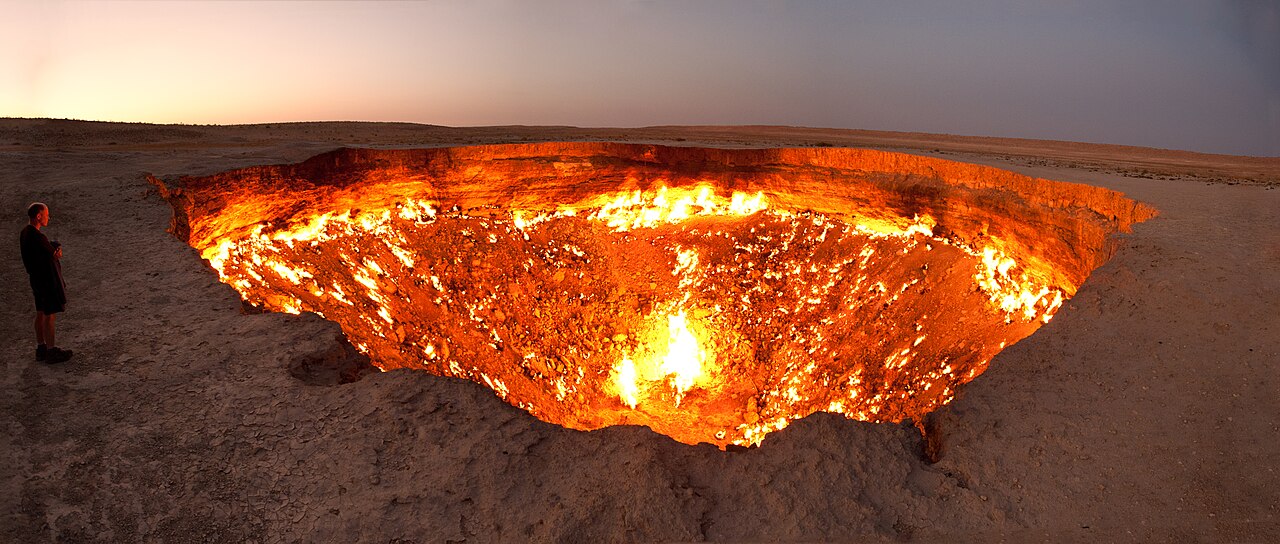
The country's landscape is dominated by the Karakum Desert and broad lowlands that slope toward the Caspian Sea (Caspian Sea). Climate is continental and arid, with hot summers and cold winters in the interior. Rivers are sparse; much of the country relies on irrigation for agriculture. Natural features include desert dunes, oases and salt flats.
History and development
Human settlement in the area dates back to antiquity and the territory lay along trade routes commonly called part of the Silk Road. Over many centuries it came under the influence of successive empires and local khanates. In the 19th and 20th centuries the region was incorporated into the Russian Empire and then into the Soviet Union as the Turkmen Soviet Socialist Republic. Turkmenistan declared independence in 1991 after the Soviet collapse and later pursued a policy of declared permanent neutrality.
Politics, society and culture
The political system of modern Turkmenistan is highly centralized. The state emphasizes stability and neutrality in foreign affairs; the country’s neutral status has been recognized internationally. The Turkmen language (Turkmen) and traditional customs—such as carpet weaving and horse breeding, notably the Akhal-Teke breed—play strong roles in national identity. The country’s lack of maritime access is often noted as a geographic constraint on trade (no ocean access).
Economy and notable facts
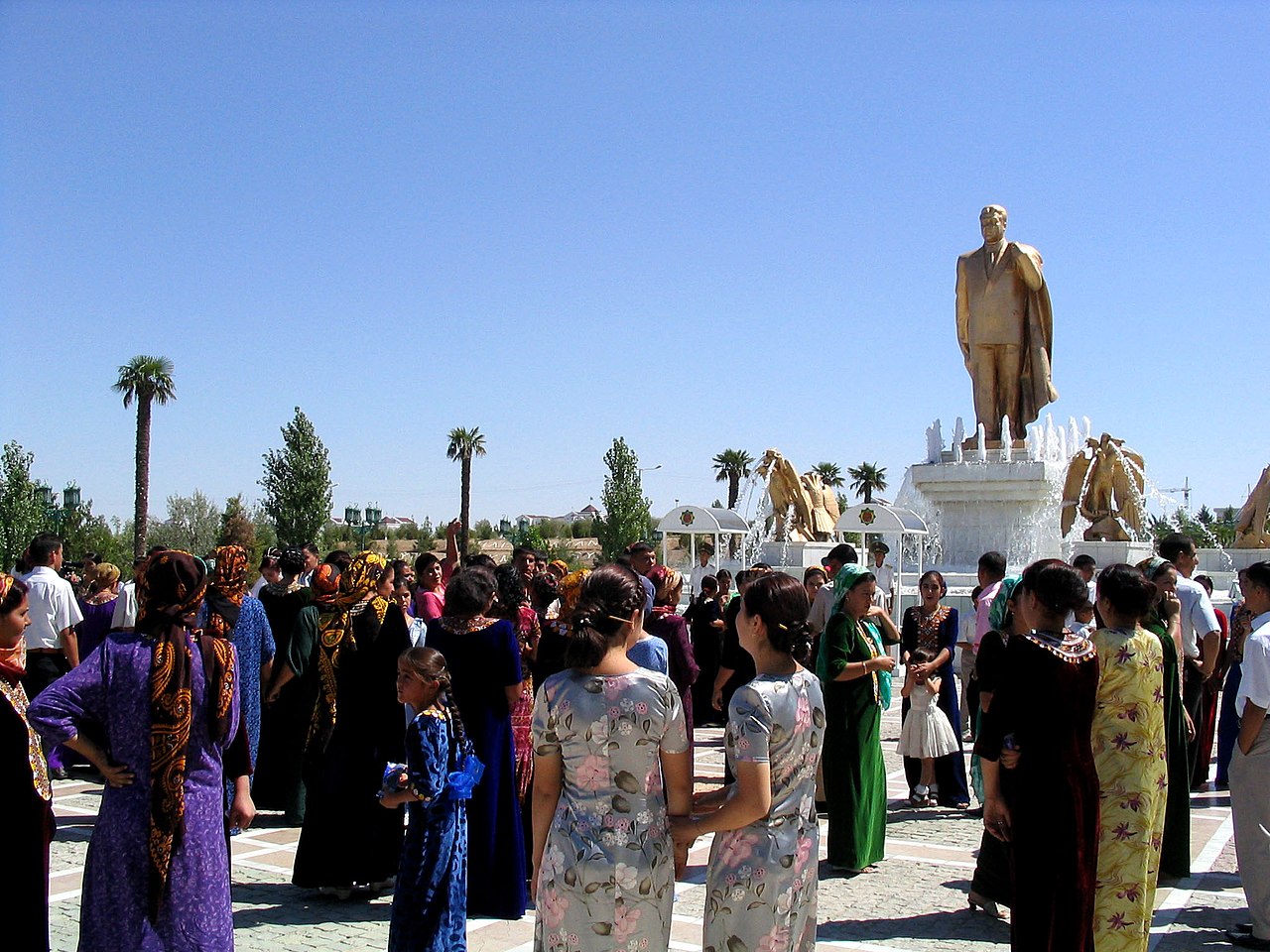
Turkmenistan’s economy is dominated by natural gas exports and cotton production. Large gas fields and pipeline projects link the country to regional markets and influence its international relations. Urban planning and state-sponsored construction have produced monumental architecture in the capital; public life and media are tightly regulated. As a country with deep nomadic roots and significant energy resources, Turkmenistan occupies a distinctive position among the Central Asian states.
- Borders: Kazakhstan, Uzbekistan, Afghanistan, Iran, and the Caspian Sea.
- Capital: Ashgabat.
- Language: Turkmen; majority Muslim population.
Related articles
Author
AlegsaOnline.com Turkmenistan: geography, history, society and economy Leandro Alegsa
URL: https://en.alegsaonline.com/art/102118
Sources
- stat.gov.tm : О Туркменистане
- un.org : "World Population Prospects, Table A.1"
- imf.org : "Turkmenistan"
- hdr.undp.org : "Human Development Report 2011"
- cia.gov : "Turkmenistan"
- wikidata.org : wikidata.org/wiki/Q874
- catalogo.bne.es : XX453272
- catalogue.bnf.fr : cb15359153f
- data.bnf.fr : (data)
- d-nb.info : 4061255-7
- hls-dhs-dss.ch : 044995
- id.loc.gov : n91129790
- musicbrainz.org : 98e38a45-b90e-3575-943e-23e26ce3a69f
- catalog.archives.gov : 10045272
- id.ndl.go.jp : 00577553