
Vikings: Scandinavian seafarers, warriors and medieval settlers
Medieval Norse seafarers and warriors from Scandinavia (c. 8th–11th centuries) known for maritime skill, raids, trade and settlements across Europe and the North Atlantic.
Overview
The term "Vikings" refers to people from the Scandinavian homelands who, between roughly the late 8th and the 11th centuries, became widely active beyond their local regions. Originating in Scandinavia, they are most often associated with voyaging across Northern Europe, raiding coastal settlements, establishing trade networks and founding new communities. Their reputation as fierce warriors and skilled seafarers has made them a prominent subject in medieval history and modern popular culture.
Image gallery
10 Images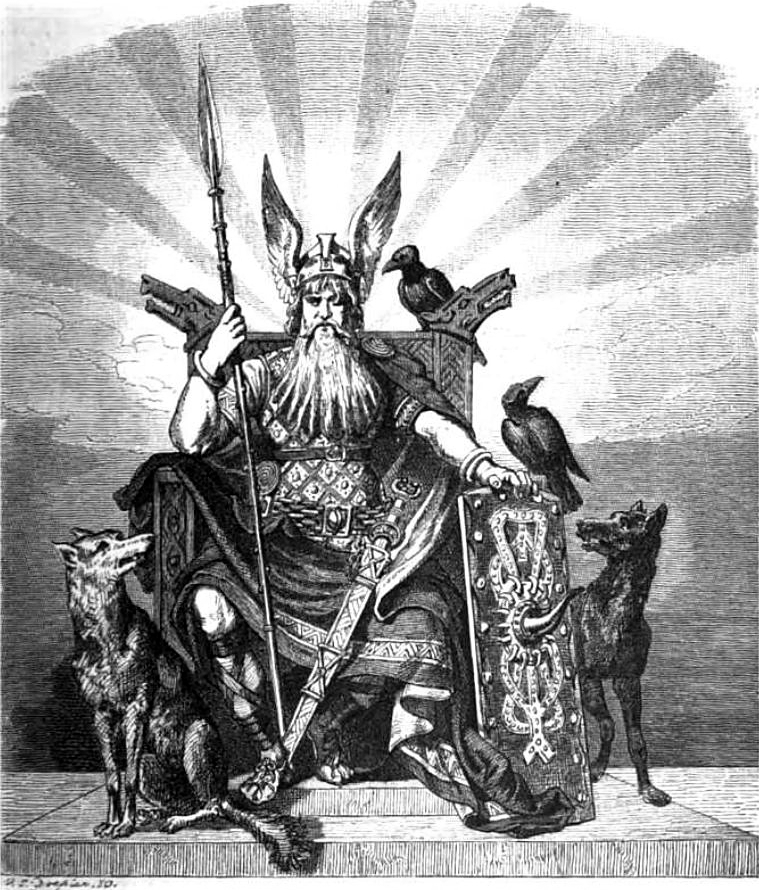


Characteristics and material culture
Viking societies were diverse but shared certain cultural features: Norse languages, pagan religious traditions that later Christianized in many areas, and distinctive art and craft styles. Archaeological finds—tools, jewelry, buildings and runic inscriptions—reveal skilled metalwork, shipbuilding and long-distance exchange. Their iconic vessels, often called longships, combined speed and shallow draft, enabling both open-sea voyages and river navigation.
Seafaring, raids and trade
Seafaring enabled a range of activities beyond raiding: seasonal trade, mercenary service and exploration. Common patterns included organized raids on monasteries and towns, as well as commercial voyages to trade furs, walrus ivory, slaves, amber and metalwork. Important directions of movement included the British Isles and Atlantic coasts, large continental river systems, and the wider North Atlantic world.
- Raids and military activity along the coasts of Great Britain and Ireland.
- River-borne expeditions into the territories of present-day Germany and inland Europe.
- Settlements and political influence in regions of France, including Normandy.
- Voyages to and interaction with areas of Spain and Italy along Mediterranean coasts.
Expansion and settlements
Where raids gave way to longer presence, Viking groups often established permanent or seasonal settlements. These ranged from farming communities and trading towns to mixed Norse-local populations in places such as the British Isles, parts of the North Atlantic (including Iceland and Greenland) and regions of continental Europe. Through settlement, marriage and political alliances, Norse cultural elements were absorbed into local societies while also changing back home.
Legacy and distinctions
The Viking Age left a complex legacy: place names, legal traditions, loanwords and genetic traces in some regions, as well as a wealth of material culture and written records in runes and later chronicles. Modern scholarship emphasizes the variety of Viking experiences—raider, trader, settler, farmer—rather than a single stereotype. For further reading and resources, see specialized studies and archaeological reports represented by the linked placeholders above.
Questions and answers
Q: Who were the Vikings?
A: The Vikings were a people from Northern Europe known for their seafaring and warrior skills.
Q: Where did the Vikings travel to?
A: The Vikings travelled to Europe from the 8th century to the 11th century, settling in areas that now include Great Britain, Germany, France, Spain, and Italy.
Q: What were the Viking ships called?
A: The Viking ships were called long ships.
Q: Why were the Vikings known as great seamen?
A: The Vikings were known as great seamen because they travelled extensively in their long ships.
Q: What were the Vikings known for besides seafaring?
A: The Vikings were also known for their warrior skills.
Q: What period of time did the Vikings travel to Europe?
A: The Vikings travelled to Europe from the 8th century to the 11th century.
Q: In what modern countries did the Vikings settle?
A: The Vikings settled in modern-day Great Britain, Germany, France, Spain, and Italy.
Related articles
Author
AlegsaOnline.com Vikings: Scandinavian seafarers, warriors and medieval settlers Leandro Alegsa
URL: https://en.alegsaonline.com/art/105143
Sources
- oxforddictionaries.com : "Thule"
- rom.on.ca : "Vikings in Canada"
- viking.no : "Place-names in The Danelaw"
- thinkexist.com : "Thwaite Meaning and Definition"
- bbc.co.uk : "BBC - History - Legacy of the Vikings"
- legendsandchronicles.com : "Viking Gods"
- vikings-history.com : "Viking Gods"
- viking-mythology.com : "Vanir in Norse Mythology"
- bbc.co.uk : "Viking Religion"
- viking.no : "The Vikings meet Christianity"
- vox.com : "Vikings never wore horned helmets. Here's why people thought they did"
- scribd.com : "The Invention of the Viking Horned Helmet"