
Moldova: overview, history, language, and economy
Moldova is a landlocked Eastern European country between Romania and Ukraine. This article summarizes its geography, language, history from medieval Moldavia to Soviet rule and independence, economy and culture.
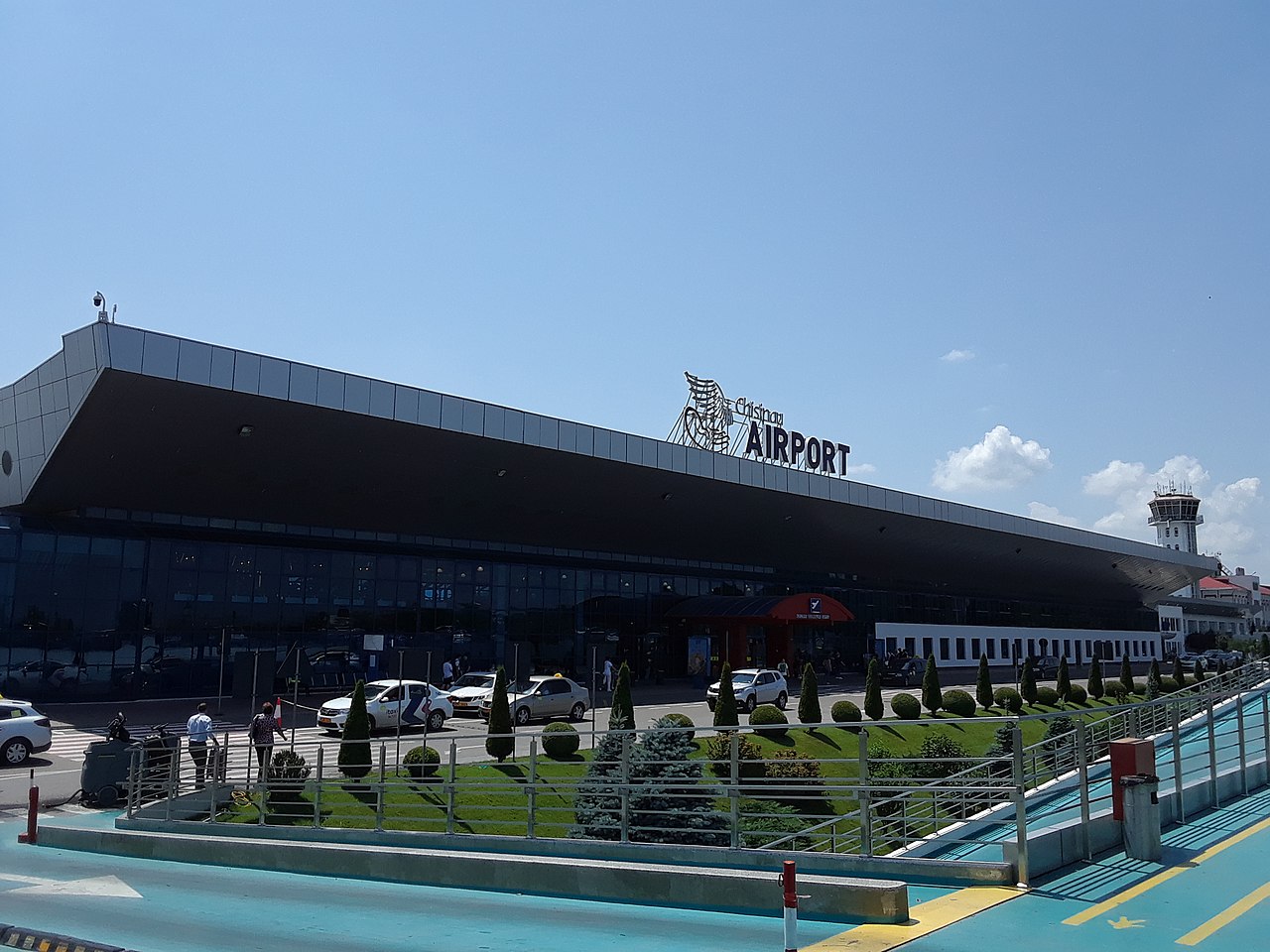
Moldova is a small, landlocked country in Eastern Europe located near the coordinates 47°N 29°E. The capital and largest city is Chișinău. The state is officially known as the Republic of Moldova; the commonly used language is Romanian, and the country lies between two neighbours: Romania to the west and Ukraine to the north, east and south.

Image gallery
10 Images



Geography and characteristics
Moldova's territory is characterized by rolling hills, fertile plains and river valleys. It is a compact country without a coastline, and its position between larger neighbours has shaped its trade, infrastructure and cultural ties. Agriculture plays a significant role in land use and exports, with vineyards and orchards widely cultivated. Ethnic and linguistic diversity is present in urban and rural areas, including communities of Moldovans (Romanian speakers), Ukrainians, Russians and smaller minority groups.
Historical outline
The name and identity of the territory are connected to the historic Principality of Moldavia, a medieval polity that extended across parts of present-day Romania and the modern state. In the early 19th century, the eastern part of the principality was annexed by the Russian Empire and became known as Bessarabia. During the 20th century the area experienced shifting borders and administrations, including periods when it was part of the Kingdom of Romania. After World War II it was incorporated into the Soviet Union as the Moldavian Soviet Socialist Republic; Moldova declared independence amid the Soviet collapse in 1991 and left the Soviet Union.
Politics, economy and international ties
Since independence, Moldova has pursued a path of political and economic reform while managing internal and regional challenges. The country has one of the lower income levels in Europe and has depended on remittances, agriculture and food processing as important economic sectors. Moldova has developed closer ties with the European Union and signed an association agreement that deepened political and economic cooperation; it remains a partner pursuing integration measures with the EU (association and cooperation). Domestic politics also reflect debates over language, identity and foreign orientation.
Society and culture
Cultural life in Moldova is influenced by Romanian-language literature and traditions, Orthodox Christianity, folk music and a long winemaking tradition. Chișinău hosts museums, theaters and cultural institutions that reflect the country’s layered past. The Romanian language is the principal vehicle of public life, education and media, although Russian and other languages are used in particular communities and contexts.
Distinctive facts and contemporary issues
- Border and regional context: Moldova occupies a position between two larger neighbours, which affects its security, trade and migration patterns (Romania, Ukraine).
- Territorial complexity: the eastern strip of the country has a de facto separatist region established in the 1990s; this situation remains a key element of Moldova’s political landscape.
- Historical names and legacy: the territory has been called Moldavia, Bessarabia and, in the Soviet era, the Moldavian SSR; these names reflect changing sovereignties and cultural influences (Principality of Moldavia, Bessarabia, Russian Empire).
- International relations: Moldova’s foreign policy balances relations with the EU, neighbouring Romania and Ukraine, and historical ties with Russia, shaped by trade, migration and political accords (EU association, post‑Soviet links).
For more detailed maps, legal texts and cultural resources see official and archival collections linked from national portals and international repositories (coordinates, language resources, Chișinău institutions).
Questions and answers
Q: What is the full name of Moldova?
A: The full name of Moldova is the Republic of Moldova (Romanian: Republica Moldova).
Q: What language is spoken in Moldova?
A: The official language in Moldova is the Romanian language.
Q: What is the capital city of Moldova?
A: The capital of Moldova is Chișinău.
Q: When did it become independent from the Soviet Union?
A: It became independent from the Soviet Union after its dissolution.
Q: How much is the average monthly salary/wages in Moldova?
A: The average monthly salary/wages are still low, standing at only US$243.
Q: Is there a possibility for future membership in European Union for Moldovans?
A: Yes,Moldova is an associated country for future membership in the European Union.
Related articles
Author
AlegsaOnline.com Moldova: overview, history, language, and economy Leandro Alegsa
URL: https://en.alegsaonline.com/art/65847
Sources
- rferl.org : "Chișinău recognizes Romanian as official language"
- loc.gov : "Moldova: Romanian recognized as the official language"
- constcourt.md : "The text of the Declaration of Independence prevails over the text of the Constitution"
- osce.org : "On the situation of Russian schools in Moldova"
- usefoundation.org : "Law of the Moldavian Soviet Socialist Republic on the functioning of languages on the territory of the Moldavian SSR"
- russkiymir.ru : "Ион Гучак: На русском языке свободно говорит половина молдаван"
- korrespondent.net : "Russian language in Moldova could lose their status (Русский язык в Молдове может потерять свой статус)"
- statistica.md : "Preliminary results of the 2014 census"
- statistica.md : "National Bureau of Statistics of Moldova"
- languages-study.com : "2004 census in Transnistria"
- imf.org : "World Economic Outlook Database, April 2016"
- wdi.worldbank.org : "World Development Indicators: Distribution of income or consumption"
- hdr.undp.org : "2015 Human Development Report"
- oxforddictionaries.com : "Moldova"