
Emperor of Japan
The Emperor of Japan is the ceremonial head of state and a cultural symbol whose role has evolved from religious and political authority to a constitutional, symbolic office.
Overview
The Emperor of Japan is the nation's hereditary monarch and ceremonial head of state. In modern Japan the emperor serves primarily as a symbol of national identity and continuity rather than as an active political leader. For official information about the office and functions, see the emperor's official role and related descriptions.
Image gallery
10 Images




Constitutional status and contemporary role
Under Japan's postwar constitution the emperor has no governing power and performs duties in a strictly non-political capacity. This arrangement is commonly described as a constitutional monarchy. In international contexts the position is sometimes described as unique: Japan currently retains an imperial title that is recognized domestically and abroad, a status discussed in broader surveys of world politics.
Incumbent and succession
The present sovereign is Emperor Naruhito, who ascended the Chrysanthemum Throne after the abdication of his father, Emperor Akihito, in 2019. That abdication was notable as a rare voluntary transfer of the imperial dignity in modern times; details about the recent transition and the individuals involved are available through sources referencing Akihito and the current imperial household. The imperial line is hereditary and follows established rules of succession.
Origins, religion, and symbolism
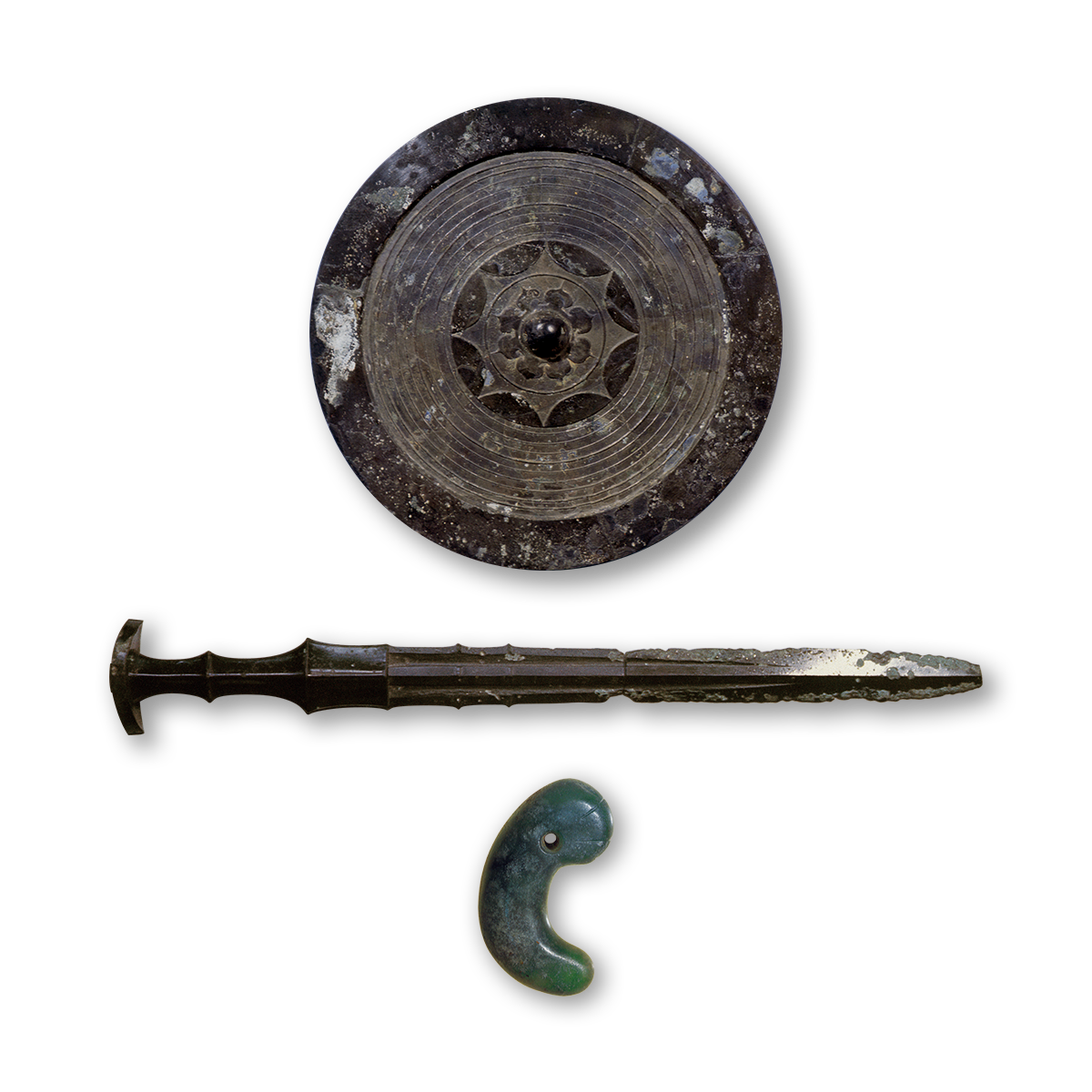
Japanese tradition traces the imperial family to mythic origins, particularly the sun goddess Amaterasu, and the emperor historically fulfilled important religious and ritual functions. In earlier periods the sovereign could be understood as both a political and spiritual figure; modern descriptions emphasize the emperor's role as a unifying symbol of the people. Scholarly and popular accounts discuss the emperor's ties to Shinto practice (religious role) and the largely ceremonial nature of authority today (symbolic powers).
Historical development and residence
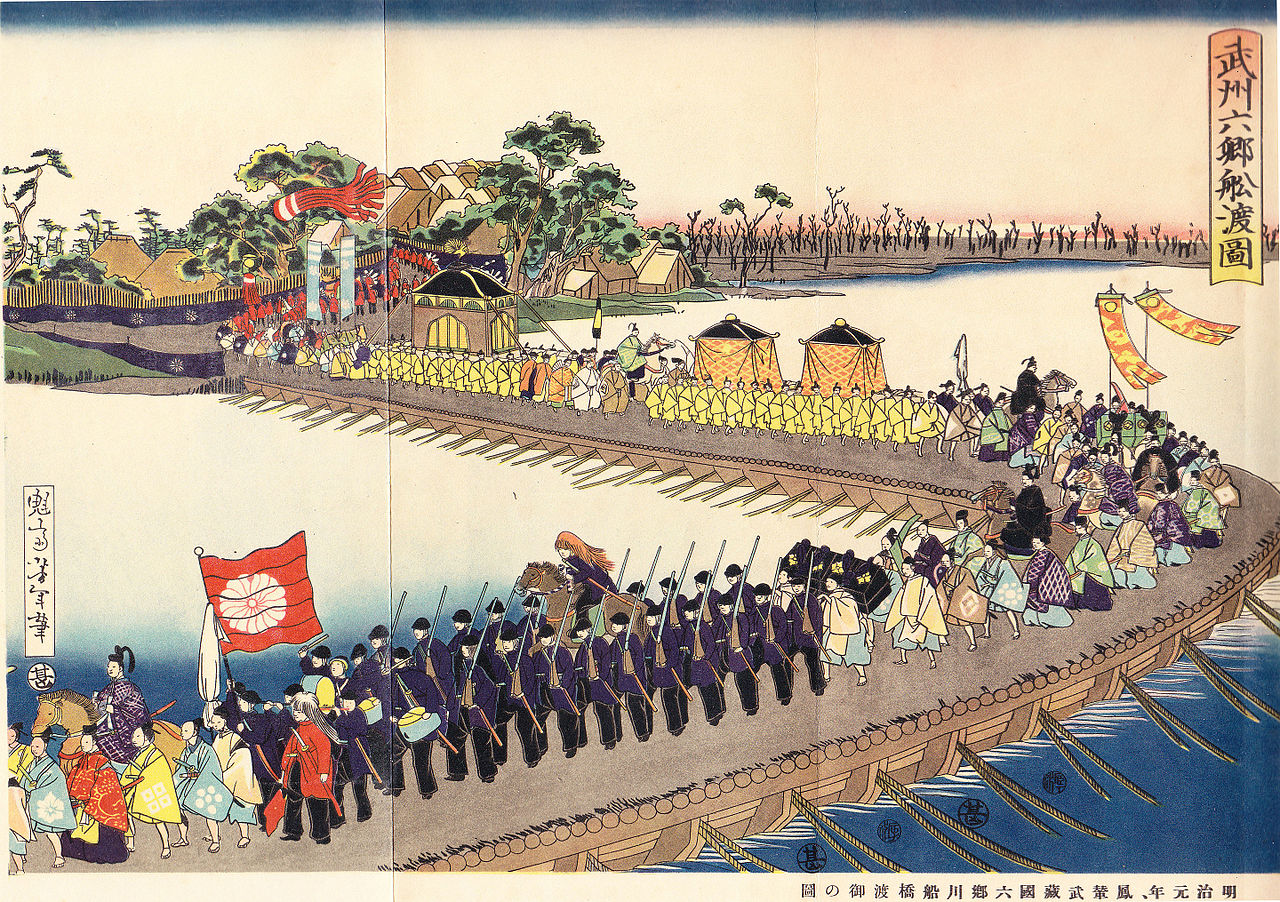
Throughout Japan's long history the scope of imperial authority has varied widely. Feudal eras saw military leaders exercise effective power while the throne remained a focal point for legitimacy. Major nineteenth-century changes during the Meiji era and the modernization of the state shifted the imperial institution's public role; for background on that period see references to the mid-1800s transformations. The emperor's primary residence is now in Tokyo on the grounds of the former Edo Castle (Edo Castle) in the city center (Tokyo), whereas Kyoto (Kyoto) served as the imperial seat for many centuries.
Functions, ceremonies, and cultural importance
Although political powers are limited, the emperor carries out a range of ceremonial and representative duties that have cultural and constitutional significance. Typical responsibilities include:
- Opening the Diet and promulgating laws as required by the constitution;
- Receiving foreign envoys and representing Japan at state occasions;
- Performing traditional rites and seasonal ceremonies linked to Japan's cultural heritage;
- Acting as a living symbol of national continuity, unity, and history.
Public interest in the imperial family remains strong, and the institution continues to play a prominent ceremonial role in national life while being bound by constitutional limits and modern expectations.
For further reading about the office's history, ceremonial calendar and contemporary discussions, consult official and scholarly resources linked from the institution's overview pages and archives (symbol and nation, Tokyo sources, Kyoto history). Additional commentary on the office and its evolving role appears in comparative studies of monarchy and symbolism (symbolic authority, international context, official role, national unity).
Questions and answers
Q: Who is the head of state of Japan?
A: The Emperor of Japan is the head of state of Japan.
Q: What is the role of the monarch in Japan?
A: The monarch is the symbol of the Japanese nation and the unity of its people.
Q: Does the Emperor have any political power in the Japanese constitutional monarchy?
A: No, in the Japanese constitutional monarchy, the emperor does not have any political power.
Q: Is the Emperor of Japan recognized in world politics?
A: Yes, the Emperor of Japan is recognized in world politics, as he is currently the only emperor in the world.
Q: Who is the current Emperor of Japan?
A: His Majesty Emperor Naruhito is the current Emperor of Japan.
Q: When did Emperor Naruhito ascend to the throne?
A: Emperor Naruhito ascended to the Chrysanthemum Throne after his father Akihito abdicated in 2019.
Q: Where is the Imperial Palace located?
A: Since the mid-1800s, the Imperial Palace has been located on the former site of Edo Castle in the heart of Tokyo.
Related articles
Author
AlegsaOnline.com Emperor of Japan Leandro Alegsa
URL: https://en.alegsaonline.com/art/31262
Sources
- books.google.com : "Tennō"
- books.google.com : "Emperors"