
Endorheic basin
A closed drainage area whose waters do not reach the ocean; usually ending in saline lakes or playas and common in arid regions with distinct ecological and human impacts.
An endorheic basin, also called an internal drainage basin, is a watershed whose surface and groundwater drain into a terminal lake, marsh, or salt pan rather than flowing out to one of the world's oceans. In hydrological terms an endorheic system is a closed basin: inflow from precipitation, rivers, or groundwater is balanced primarily by evaporation and subsurface losses rather than by discharge to an ocean. The technical concept of a drainage basin helps distinguish these basins from open systems that connect to distant seas.
Image gallery
10 Images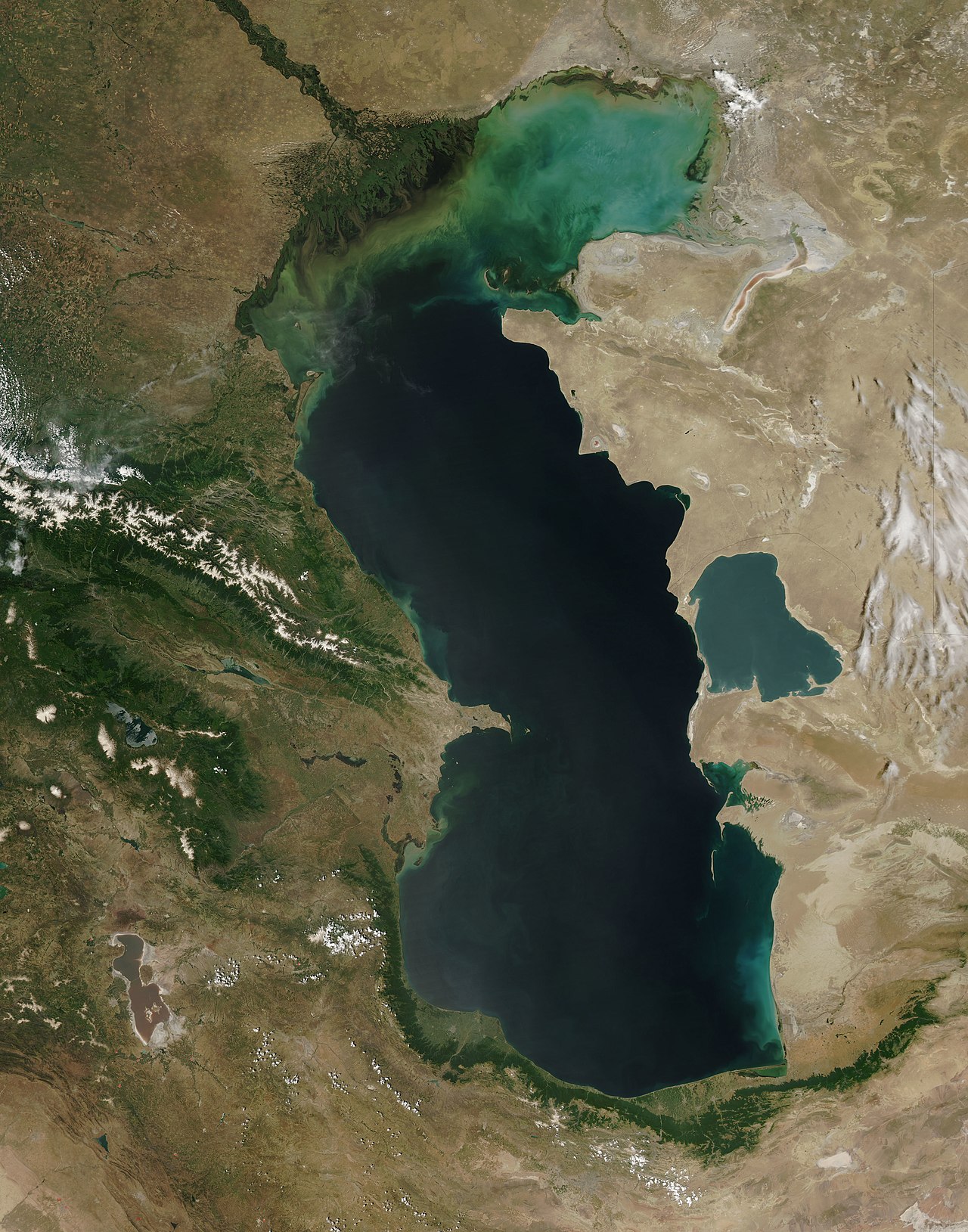




Physical characteristics
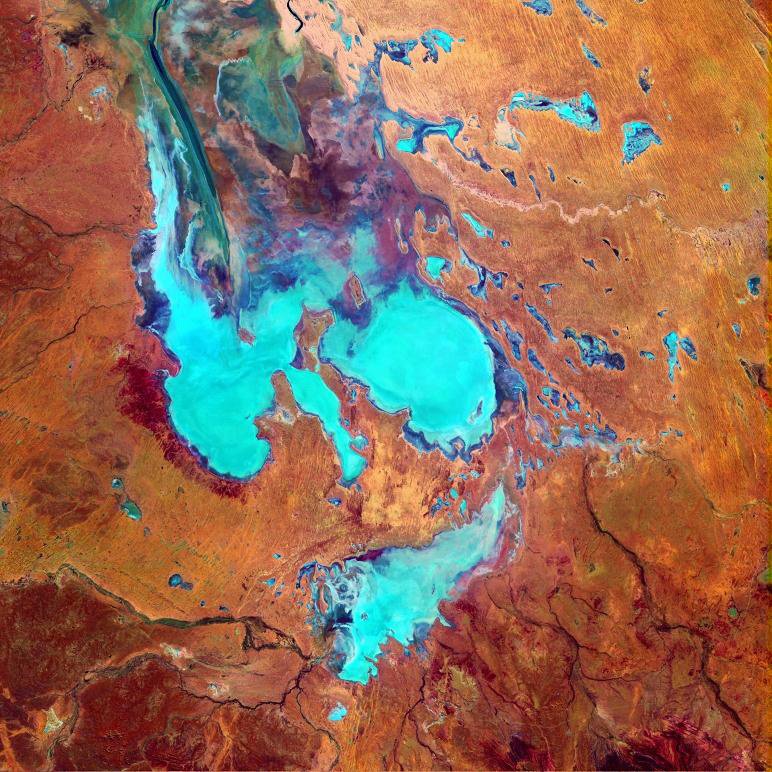
Endorheic basins often form low-lying depressions with internal drainage networks. Water collects in ephemeral or permanent terminal lakes and wetlands; because there is no outlet, dissolved minerals accumulate over time and many terminal waters are saline or alkaline. The balance between inflow and evaporation controls lake level and salinity, and groundwater exchange can be important in sustaining lakes during dry periods. Seasonal and interannual climate variability commonly produces large fluctuations in surface area and depth.
Origins and development
These basins arise through tectonic uplift, faulting, volcanic activity, or long-term erosion that creates enclosed topography. Climatic changes also play a central role: many endorheic basins exist in regions that became drier following shifts in precipitation patterns, so they are especially common in semi-arid and arid landscapes. By contrast, rivers in connected catchments carry water onward and join larger fluvial systems to reach the Earth's major oceans via continuous channels.
Examples and distribution
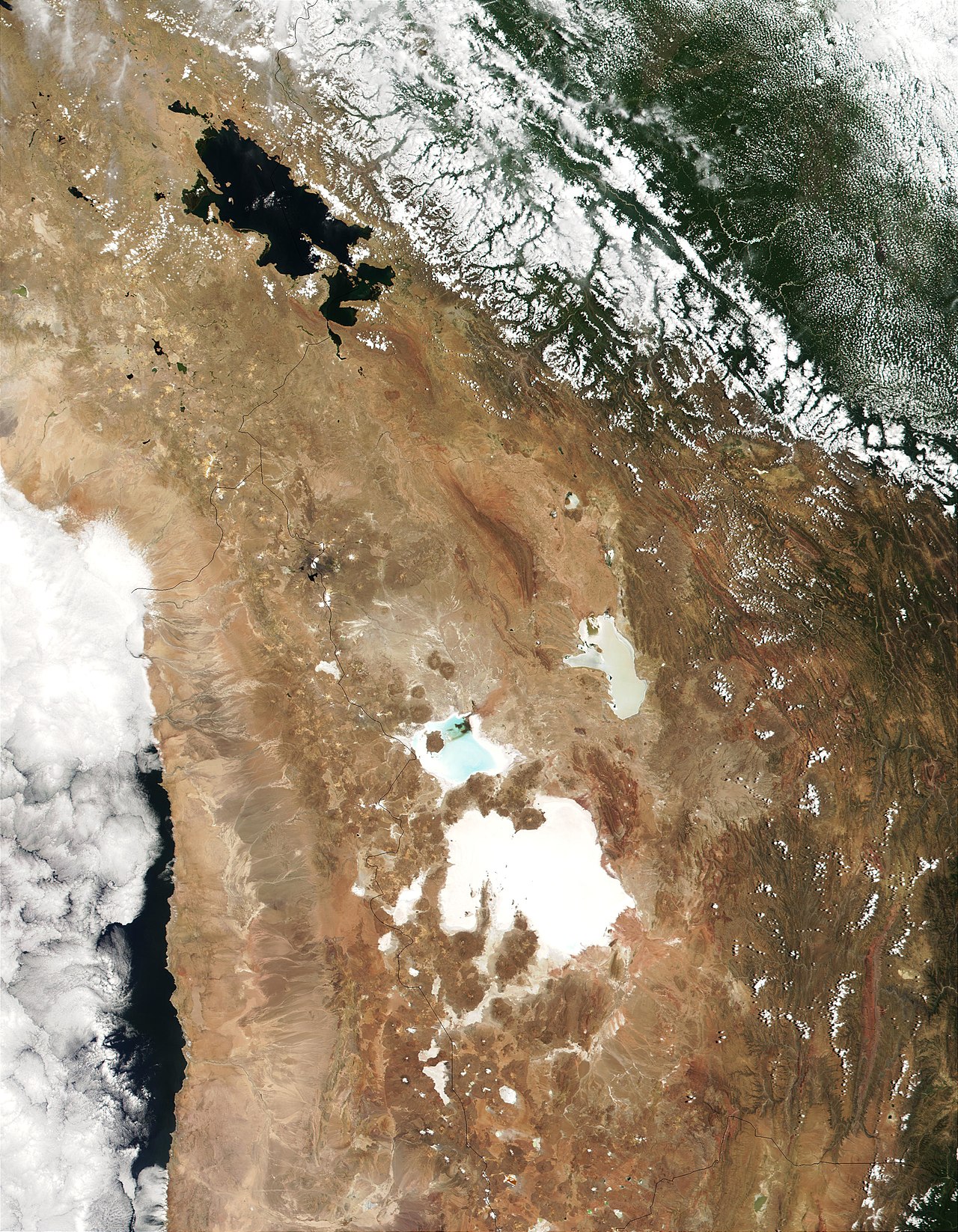
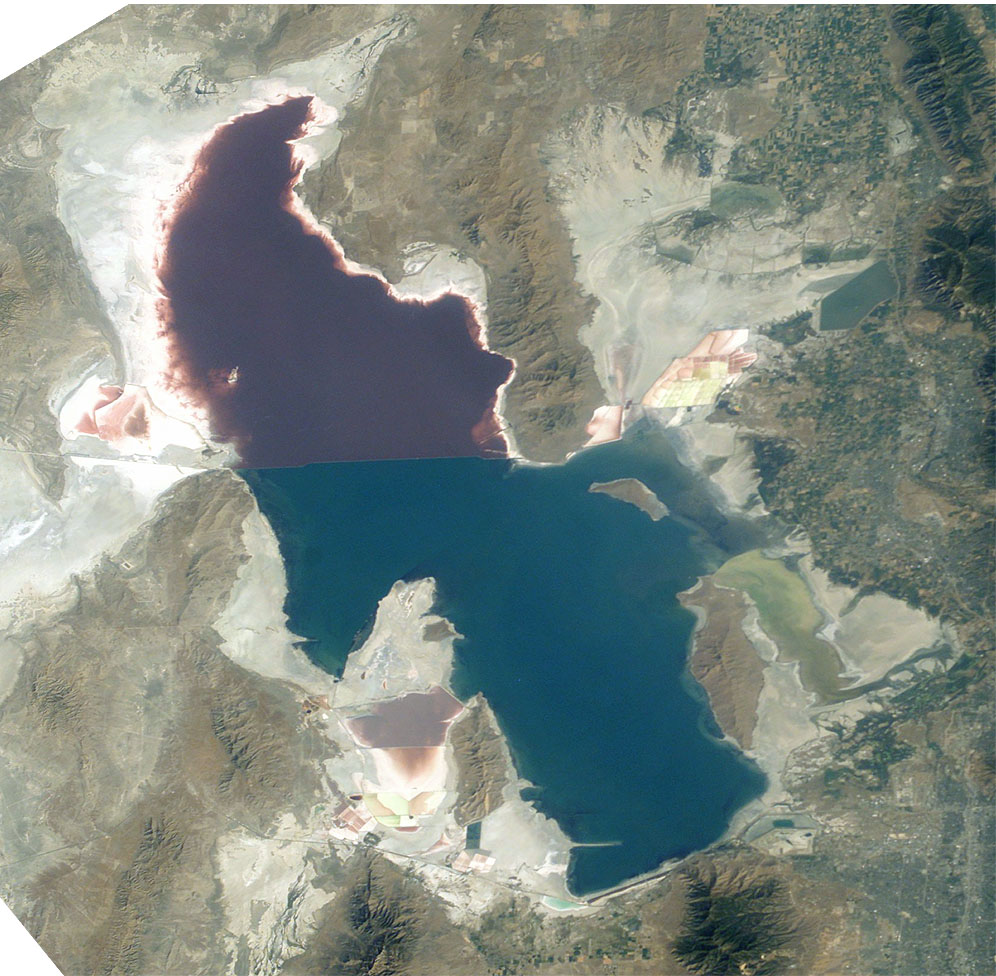
Endorheic basins are found on every continent but are concentrated where evaporation exceeds precipitation. Large, well-known examples include the Caspian Sea and the historically changing Aral Sea, along with inland lakes such as the Great Salt Lake and the Dead Sea. Salt flats like Bolivia's Salar de Uyuni represent former lake beds where salts were left after evaporation. Rivers that pour into these basins do not drain to the ocean; they are tributaries within an internally drained catchment rather than conventional rivers that reach the sea. Small endorheic depressions also occur in deserts and steppe regions worldwide.
Ecological, economic and societal importance
Terminal lakes and playas create unique habitats supporting specialized plants, birds, and invertebrates, though extreme salinity limits biodiversity in many cases. For humans, endorheic basins can supply minerals (salt, borates, lithium) and support fisheries or tourism, but they are also vulnerable to overuse. Water diversion, irrigation, and climate change have caused dramatic shrinkage and ecological collapse in several basins—most famously the Aral Sea—leading to salinization, dust storms, and loss of local livelihoods.
Key distinctions and notable facts
- Endorheic (internal) basins are the opposite of exorheic basins, which have outlets to the sea.
- Terminal waters are frequently saline lakes or salt flats because salts concentrate as water evaporates.
- These systems are prominent in desert and semi-arid zones but can also exist in temperate areas where topography isolates drainage.
Understanding endorheic basins is important for water management, conservation, and mineral resource planning because their closed nature makes them especially sensitive to human activities and climatic shifts.
Questions and answers
Q: What is an endorheic basin?
A: An endorheic basin, also known as an internal drainage system, is a drainage basin or watershed that doesn't flow to one of the Earth's major oceans.
Q: How is an endorheic basin different from a normal basin?
A: An endorheic basin doesn't flow to one of the Earth's major oceans, unlike a normal basin that collects in rivers and flows to the ocean.
Q: What is the usual endpoint for an endorheic basin?
A: Endorheic basins usually end in a saline lake or a salt flat.
Q: In what types of locations can endorheic basins be found?
A: Endorheic basins can be found worldwide, but usually in desert locations.
Q: What is another name for an endorheic basin?
A: An endorheic basin is also called an internal drainage system.
Q: What are some examples of a saline lake or a salt flat that could be the endpoint for an endorheic basin?
A: The Great Salt Lake in Utah, USA, or the Dead Sea between Israel and Jordan are examples of saline lakes or salt flats that could be the endpoint for an endorheic basin.
Q: What happens to water that collects in an endorheic basin?
A: Water that collects in an endorheic basin stays there and doesn't flow to one of the Earth's major oceans.
Related articles
Author
AlegsaOnline.com Endorheic basin Leandro Alegsa
URL: https://en.alegsaonline.com/art/31392
Sources
- economicexpert.com : "Home>Endorheic"