
Russian Empire (1721–1917): history, structure, and legacy
Transcontinental monarchy that existed from 1721 to 1917. An autocratic, multiethnic state centered in Russia that expanded across Eurasia, modernized unevenly, and ended with the 1917 revolutions.
Overview
The Russian Empire was a transcontinental state that existed from 1721 until 1917. It spanned large parts of Europe and Europe into Asia, making it one of the largest empires in modern history. Established formally by Peter I in the early 18th century, it became a central actor among contemporary great powers and played a major role in European and Asian geopolitics. The empire's government was an autocratic monarchy headed by a Tsar, a ruler who combined personal authority with monarchical traditions.
Image gallery
10 Images





Territory, population and identity
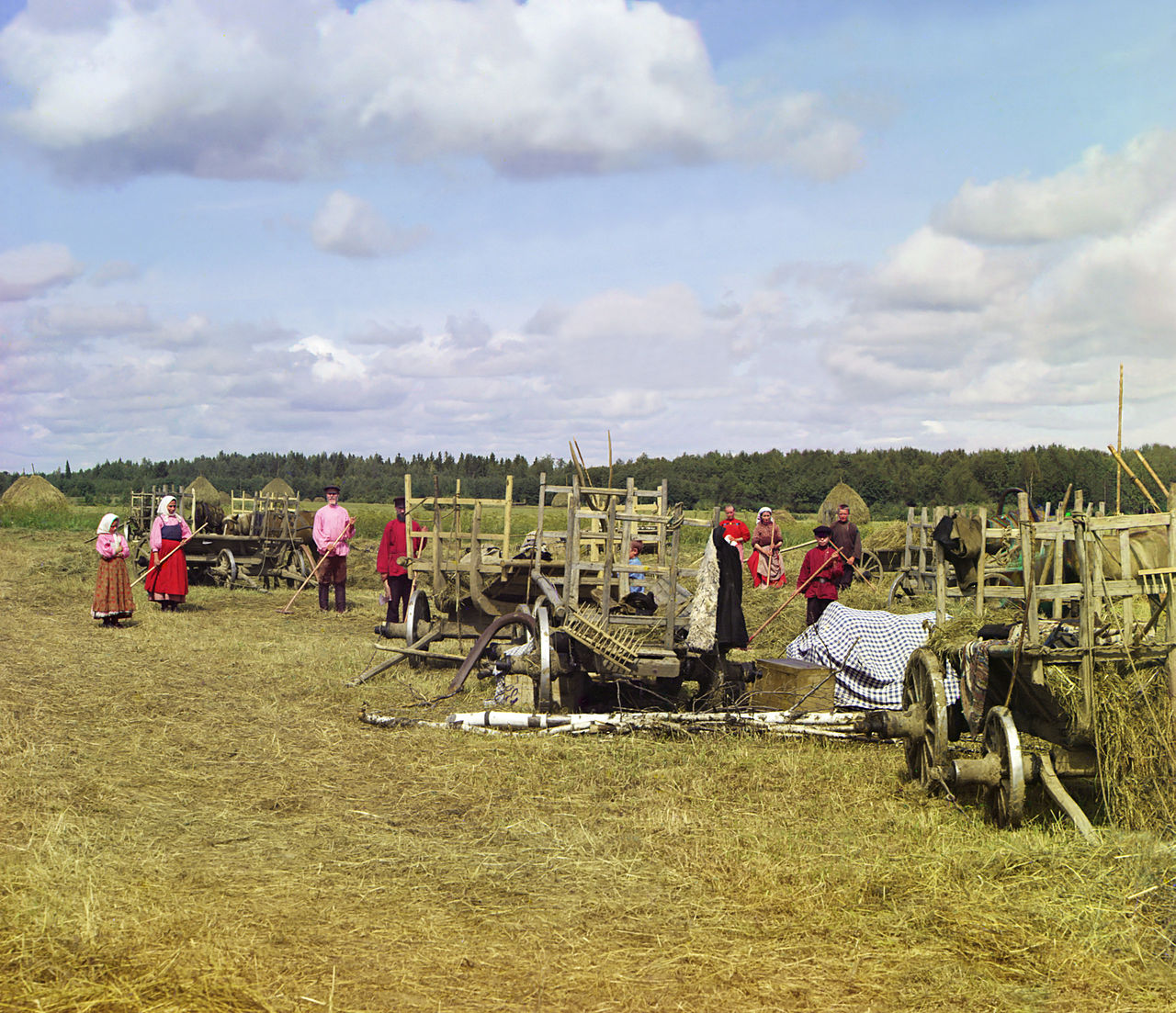
At the beginning of the 20th century the Russian Empire covered tens of millions of square kilometres and encompassed very diverse peoples, languages and religions. Contemporary figures commonly cite an area of roughly 21,799,825 km² around 1914 and a population around 128 million by the 1897 census. While Russian functioned as the state language and the church most closely associated with the regime was the Russian Orthodox Church, the empire also included Finns, Poles, Ukrainians, Belarusians, Baltic peoples, numerous Caucasian groups, Central Asian peoples, Tatars, Jews and many others, each with distinct cultural and religious traditions.
Government, law and society
The imperial system concentrated power in the monarch, often described as an absolute monarchy or autocracy. The ruling dynasty, the House of Romanov, claimed a special legitimacy sometimes framed as a version of the divine right to rule. Throughout the 19th century the empire combined a large landed aristocracy, a bureaucratic state administration, and an overwhelmingly agrarian peasantry. Serfdom, a form of unfree peasant dependence, was legally abolished in 1861, a major reform that aimed to modernize society but left persistent social and economic problems.
History and major developments
Founded when Peter the Great proclaimed the Russian Empire in 1721, the state expanded steadily through conquest, colonisation and diplomacy into Siberia, Central Asia, the Caucasus and parts of Eastern Europe. Key reforming moments included the 1861 emancipation, judicial and local-government reforms, and attempts at industrialisation. Military setbacks—such as the defeat in the Russo-Japanese War (1904–1905)—and internal unrest prompted the 1905 crisis and the creation of a partly elected parliament, the Duma. World War I placed extreme strains on the regime, culminating in the revolutions of 1917. In March 1917 the monarchy fell and a provisional republic was proclaimed; later that year, competing revolutionary forces ended imperial rule permanently after the October Revolution.
Institutions, economy and culture
The empire combined an agrarian economy with growing industrial centres—notably Moscow and St Petersburg—and regional textile, mining and timber industries. Its administrative division included governorates and other units governed by appointed officials. Culture and intellectual life were vibrant and diverse: Russian literature, music and the visual arts developed internationally recognized figures, while universities and scientific institutions expanded in the 19th century. At the same time, censorship, political repression and uneven economic development limited social mobility for many.
Significance and notable facts
- The state was widely regarded as a great power and, territorially, among the largest empires of its era.
- Political reforms after 1905 created limited parliamentary life but retained strong monarchical authority until 1917.
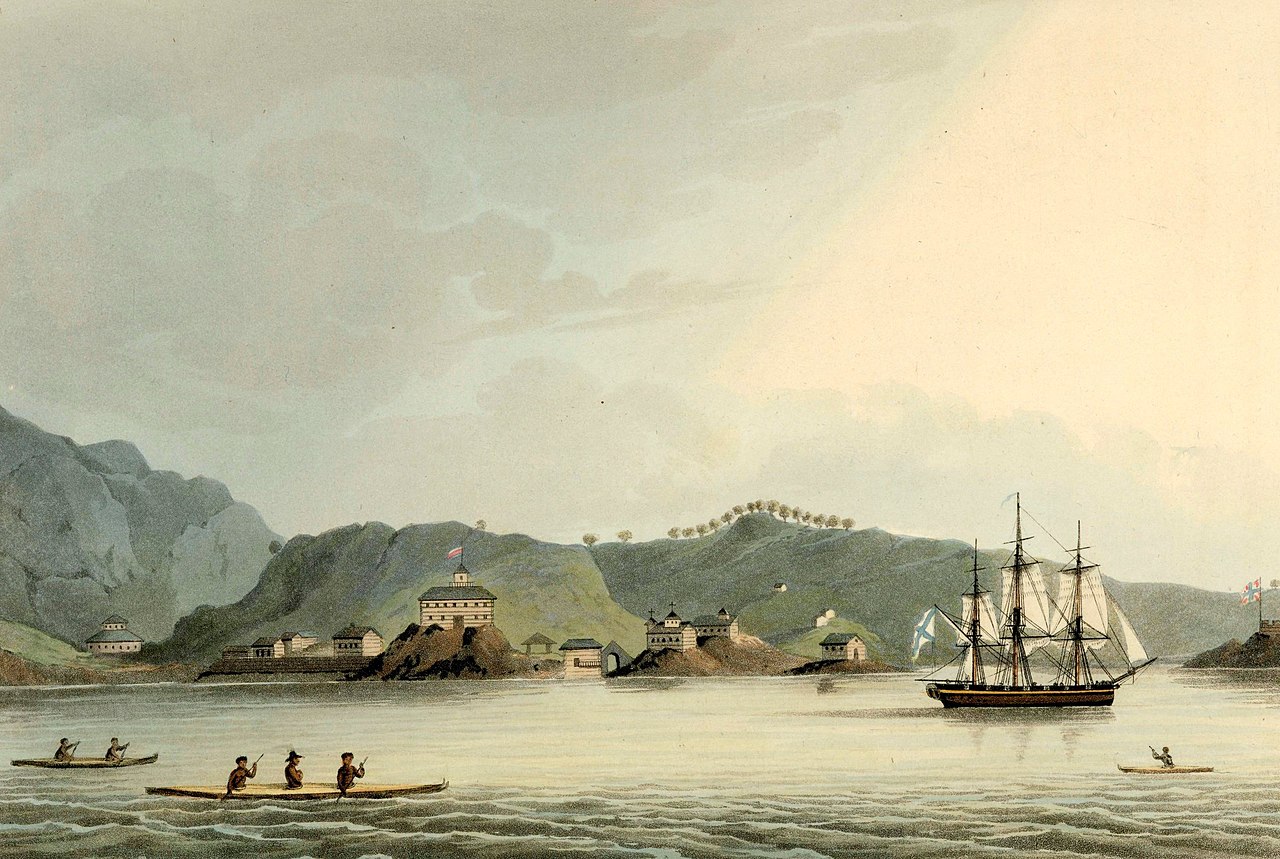
- International engagements included alliances, wars, and colonial administration; for example, the sale of Alaska was a notable 19th-century diplomatic act.
- By the time of its fall, the Romanov monarchy had ruled for two centuries and left a complex legacy in the modern states that emerged from its territory.
The story of the Russian Empire is one of rapid territorial growth, concentrated autocratic rule, social reform and cultural achievement, followed by political crisis and revolutionary change. For further summaries, primary documents and specialised studies consult historical surveys and archival collections available through major research resources (March and other dated references often mark key turning points) and works that place the empire in comparative imperial and European contexts (revolutionary studies and institutional histories).
For concise factual entries and timelines, reference guides remain useful: see entries on the monarchy and political institutions (emperors and their biographies), linguistic and religious policy (language, church), and accounts of social structures including the peasantry and nobility. The imperial period continues to shape the geography, demography and political memory of Eurasia into the present.
Questions and answers
Q: Who founded the Russian Empire?
A: Peter I of Russia founded the Russian Empire in 1721.
Q: What was it known as before it became the Russian Empire?
A: Before it became the Russian Empire, it was known as the Duchy of Moscow.
Q: When did the Russian Empire end?
A: The Russian Empire ended in March 1917 after the Russian Revolution when it was declared a republic.
Q: What type of government did the empire have?
A: The Russian Empire had an absolute monarchy ruled by Tsars from the House of Romanov who believed they had divine right over their people.
Q: How large was its area in 1914?
A: In 1914, its area was about 21,799,825 km².
Q: How many people lived there in 1897?
A: In 1897, its population was 128,200,000 people.
Q: What language and church were official in this country?
A: The official language of this country was the Russian language and its official church was the Russian Orthodox Church.
Related articles
Author
AlegsaOnline.com Russian Empire (1721–1917): history, structure, and legacy Leandro Alegsa
URL: https://en.alegsaonline.com/art/84828