
Air: Composition, Properties, Life Role, Uses, Pollution, and History
Air is the gaseous envelope around Earth that supports life, shapes weather, enables technologies, and is subject to pollution and climate change. Overview of composition, properties, uses, and impacts.
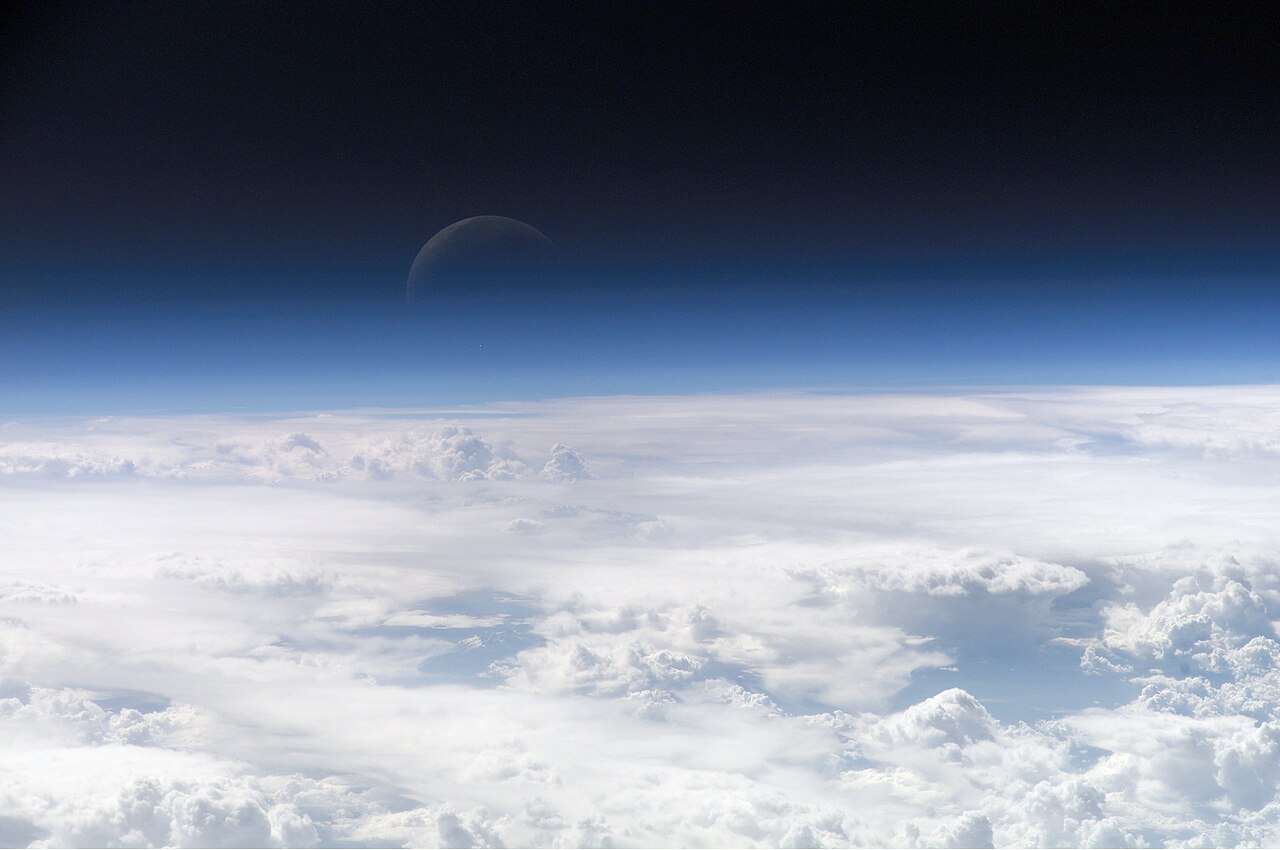
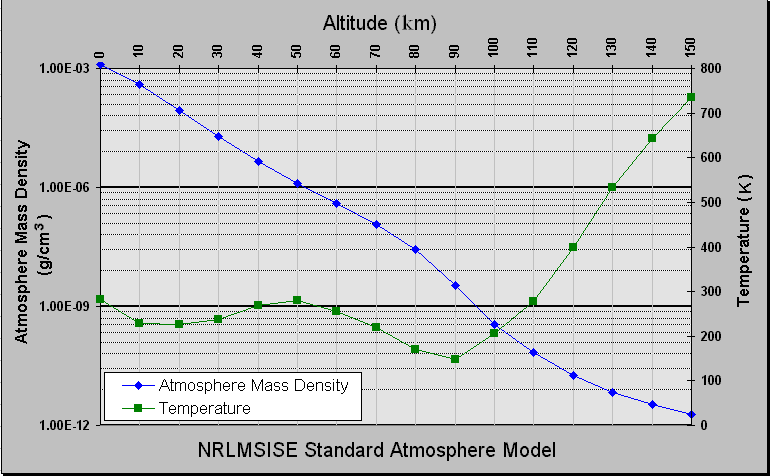
Overview: Air is the mixture of gases and tiny particles that makes up the Earth's atmosphere. Though invisible under normal conditions, air is a physical substance with matter that has mass and weight. The weight of the air column produces the pressure we observe at the surface. Beyond the atmosphere there is effectively no air, as in outer space. Natural variations — such as humidity and temperature — change its character from place to place.
Image gallery
10 Images




Composition
The bulk composition of dry air is well established. It is a mixture of gases dominated by molecular nitrogen and oxygen, with smaller amounts of inert gases such as argon and trace gases including carbon dioxide. Water vapor is also an important and highly variable component, often averaging around one percent by volume but ranging from nearly zero to several percent depending on climate. The gaseous nature means air has no fixed shape and volume, adapting to the container or the open environment.
Properties and Behavior
Air exerts pressure and transmits forces, allowing technologies that depend on moving or compressed air. Warm air tends to rise and cold air sinks, creating convection currents. When air moves horizontally we call it wind, and those motions, together with temperature and moisture differences, drive weather patterns. Air can carry suspended particles, droplets and gases that affect visibility, climate, and health.
Role in Living Systems
Oxygen in air is essential for most animal life: the process of breathing brings oxygen into the lungs, where it diffuses into the blood and is transported to tissues. Cells use oxygen in metabolism and release carbon dioxide as a byproduct. Plants and many microbes take up carbon dioxide from the air for photosynthesis and release oxygen in return. Without adequate oxygen we suffer asphyxia, which can be fatal.
Pollution, Impacts and Health
Air quality can be degraded by emissions of gases and particles. Common pollutants include carbon monoxide, volatile hydrocarbons, particulate matter, and nitrogen oxides (these terms are linked here to illustrate categories rather than single compounds). Polluted air contributes to smog, acid rain, and long-term climate effects sometimes called global warming. The general term air pollution encompasses many sources and effects, and exposure to contaminated air can cause a range of health effects from respiratory irritation to cardiovascular disease. Smoke and ash from combustion are additional hazardous components smoke can carry.
Practical Uses and Technology
Humans have harnessed moving air for centuries: sailing ships and windmills exploit the force of wind for transport and mechanical work. In modern times air underlies flight — aircraft push propellers or accelerate air over a wing to generate lift and allow machines to fly. Compressed air drives systems in pneumatics, and wind turbines convert kinetic energy in moving air into electricity. Heating, ventilation and air conditioning are other major ways societies manage air to support health and comfort. Innovations continue to refine how we use atmospheric movement and pressure in technology.
History, Culture and Distinctions
Air has been significant in thought and myth: in ancient Greek philosophy it was one of the classical elements, seen as intermediate between fire and water and central to life and motion. Scientific understanding evolved with studies of gases, barometric pressure, and respiration, transforming air from a philosophical idea into a measurable and managed resource. Today debates about air focus on stewardship: maintaining air quality, reducing pollutants and greenhouse gases, and balancing technological benefits with environmental and health costs.
For further information on specific topics mentioned above, see sources on the atmosphere, gas properties, and human interactions with air through history and technology (mixture, nitrogen, oxygen, argon, carbon dioxide, lungs, blood, asphyxia, wind, weather, air pollution, carbon monoxide, smoke, smog, acid rain, global warming, health effects, technology, propellers, wing, fly, pneumatics).
Tags
Related articles
Author
AlegsaOnline.com Air: Composition, Properties, Life Role, Uses, Pollution, and History Leandro Alegsa
URL: https://en.alegsaonline.com/art/1658
Sources
- mistupid.com : "composition of air"
- nytimes.com : nytimes.com/2013/10/03/science/earths-oxygen-a-mystery-easy-to-take-for-granted.html?_r=0
- sciencefocus.com : sciencefocus.com/planet-earth/why-is-air-invisible/