
Carbon monoxide (CO): properties, health risks, and industrial uses
Carbon monoxide (CO) is a colorless, odorless gas produced by incomplete combustion. It binds to hemoglobin, is a dangerous indoor pollutant, and is an important industrial reducing agent and chemical feedstock.
Overview
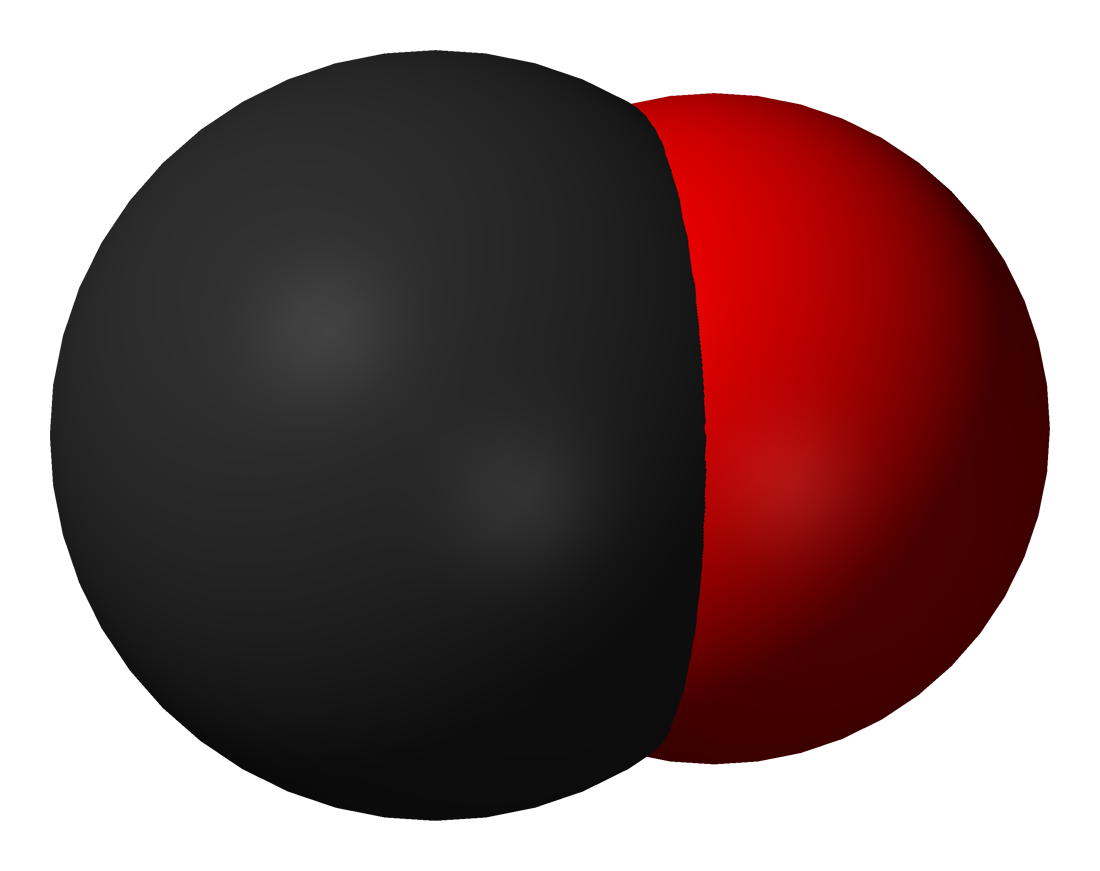
Carbon monoxide (chemical formula CO) is a simple diatomic molecule consisting of one carbon atom bonded to one oxygen atom. It is colorless, odorless and tasteless, properties that make it difficult to detect without purpose-built instruments; general information on its sensory properties is summarized at Basic properties of CO. CO is produced both unintentionally, by incomplete combustion, and intentionally, as an industrial feedstock.
Image gallery
10 Images




Chemical properties and bonding
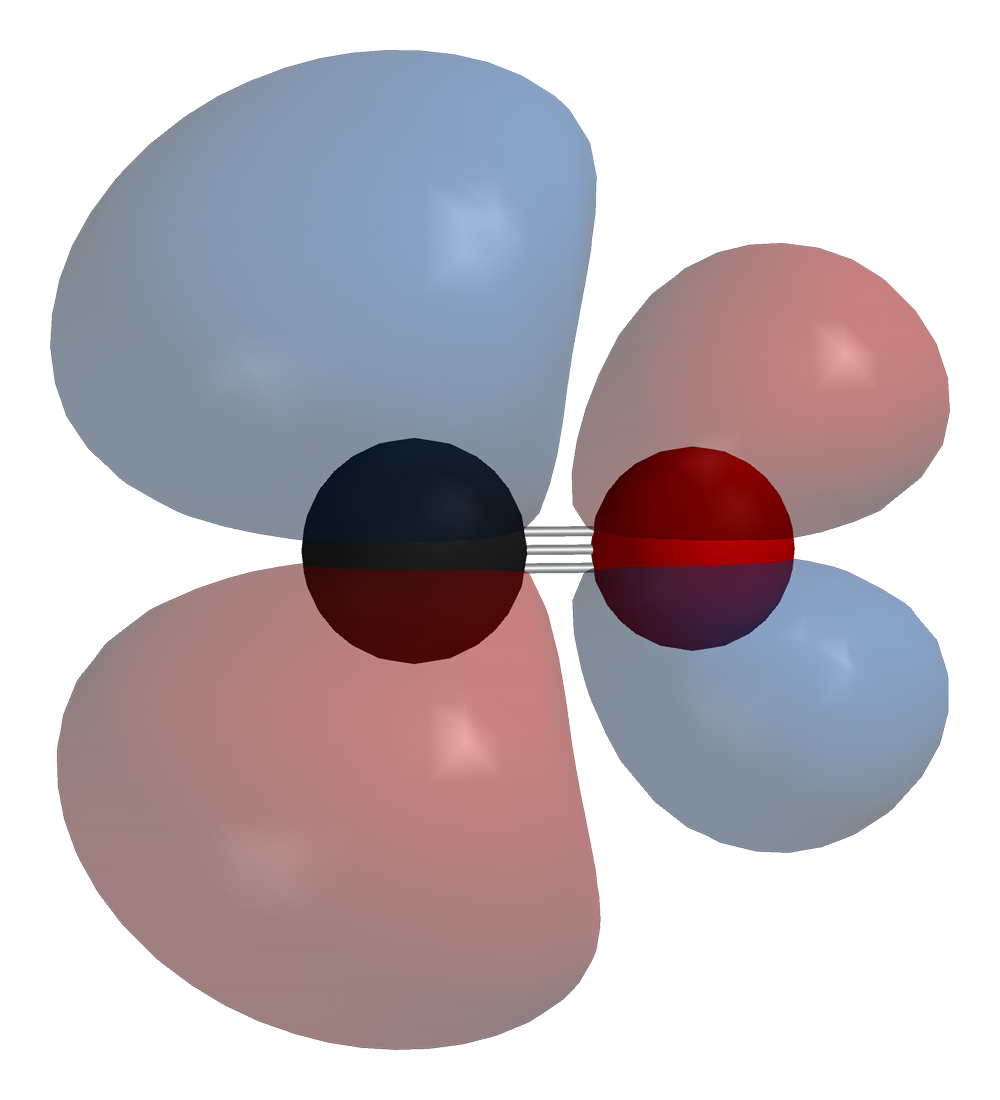
CO is a neutral molecule with a strong bond between carbon and oxygen; its bonding includes sigma donation and pi backbonding when it coordinates to metals, which explains its role as a ligand in metal carbonyl complexes. Chemically CO is a reducing gas: it can donate electrons in redox reactions and oxidizes to carbon dioxide when burned or when it reacts with oxidizing agents. For discussion of its chemical behavior as a fuel and reagent see CO as a fuel and reagent.
Formation and common sources
CO forms when carbon-containing fuels burn with limited oxygen (incomplete combustion). Typical sources include vehicle exhaust, poorly maintained or vented heating appliances, portable generators, charcoal grills used indoors and some industrial processes. Manufactured gases such as coal gas historically contained CO; modern synthesis routes intentionally produce CO by gasification or partial oxidation of hydrocarbons and carbonaceous feedstocks. General accounts of combustion sources and processes are available at Combustion sources and the role of restricted oxygen at Oxygen-limited combustion.
Environmental behavior and atmospheric effects
In the atmosphere CO reacts with oxidants and influences local air quality. It is involved in chemical cycles that affect concentrations of hydroxyl radicals and can indirectly influence ground‑level ozone and secondary pollutants. Urban and regional emissions of CO contribute to smog formation and are monitored as part of air quality programs. Reliable discussions of environmental impacts appear in reviews of atmospheric chemistry available from government and research organizations; see general references at CO and CO2 relationships.
Health effects and mechanism of toxicity
Carbon monoxide is toxic because it binds to hemoglobin to form carboxyhemoglobin, reducing blood oxygen delivery to tissues and impairing cellular respiration. Early, non‑specific symptoms include headache, dizziness, weakness, nausea and confusion; higher or prolonged exposures can cause loss of consciousness, neurological injury and death. Certain groups—infants, pregnant people, older adults and people with cardiovascular or respiratory disease—are more vulnerable to harm. For clinical and safety guidance see materials on industrial and medical safety at Safety resources.
Detection, diagnosis and treatment
Because CO cannot be detected by human senses, reliable detectors and alarms are essential indoors. Common detection technologies include electrochemical sensors, infrared analyzers and colorimetric tubes used in occupational settings. Diagnosis of poisoning is based on history of exposure and measurements of carboxyhemoglobin or equivalent markers. Immediate management involves removal from the source and administration of high‑concentration oxygen; in selected severe cases hyperbaric oxygen therapy is considered. Further reading on detection methods and protocols can be found at Detection and public‑health guidance.
Industrial production and major uses
CO is an important industrial chemical. It is the main reducing agent in traditional ironmaking: in a blast furnace CO removes oxygen from iron ore to yield metallic iron, a process described in materials on blast furnace operations. CO is also a principal component of synthesis gas (syngas), which is used to produce methanol, acetic acid and hydrocarbons through catalytic processes such as Fischer–Tropsch synthesis. In coordination chemistry CO forms metal carbonyls and participates in numerous catalytic and laboratory reactions.
Prevention, public guidance and practical advice
- Install approved carbon monoxide alarms on every level of a home and near sleeping areas; test and maintain them according to manufacturer instructions.
- Ensure proper installation, venting and maintenance of combustion appliances. Do not operate portable generators, grills or engines in enclosed or poorly ventilated spaces.
- If CO exposure is suspected, move to fresh air immediately and seek medical evaluation. Persistent or severe symptoms require urgent care.
History and cultural notes
Accidental CO exposure has a long history and has been the source of many poisonings, both accidental and intentional. Misattributed symptoms from CO exposure have been linked in some historical cases to reports of mysterious illnesses or haunted houses; for cultural and historical accounts see accounts linking CO to hauntings and related analyses. Modern public health campaigns emphasize detector installation, appliance safety and education to reduce accidental exposures.
Summary
Carbon monoxide is both a common environmental hazard and a versatile industrial reagent. Understanding its sources, chemical behavior, pathways of harm and methods of detection and treatment allows societies to use it productively while minimizing risks. For technical overviews and further reading on synthesis, monitoring and control technologies consult authoritative sources and industry guidance at General CO information, Combustion sources, Combustion science, CO as a reagent, CO and CO2 relations, Safety and health, Ironmaking and blast furnaces and Public‑health accounts.
Questions and answers
Q: What is the chemical formula for carbon monoxide?
A: The chemical formula for carbon monoxide is CO.
Q: How does carbon monoxide form?
A: Carbon monoxide forms when carbon compounds burn and there is not enough oxygen.
Q: Is carbon monoxide toxic?
A: Yes, carbon monoxide is very toxic.
Q: What is the most important use for carbon monoxide in industry?
A: The most important use for carbon monoxide in industry is making iron from iron ore.
Q: How is carbon monoxide useful for modern technology?
A: Carbon monoxide is useful for modern technology because it is a good fuel and can be used to make iron from iron ore.
Q: How does carbon monoxide turn into carbon dioxide?
A: Carbon monoxide turns into carbon dioxide when it burns in air with a blue flame.
Q: What is a potential cause of accidental carbon monoxide poisoning?
A: A potential cause of accidental carbon monoxide poisoning is when there is too little air to burn all the fuel into carbon dioxide.
Related articles
Author
AlegsaOnline.com Carbon monoxide (CO): properties, health risks, and industrial uses Leandro Alegsa
URL: https://en.alegsaonline.com/art/16885
Sources
- cameochemicals.noaa.gov : "CARBON MONOXIDE - CAMEO Chemicals - NOAA"